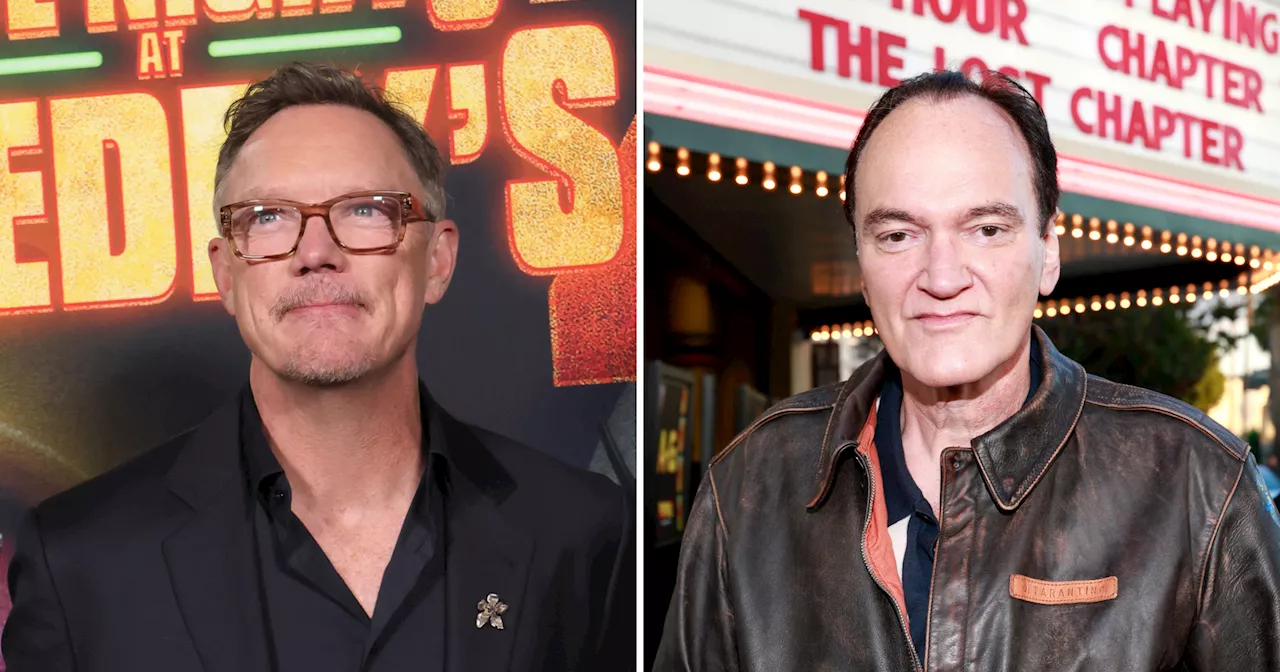
Matthew Lillard has addressed the recent criticism of his acting by renowned director Quentin Tarantino. Speaking at GalaxyCon in Columbus, Ohio, on December 5, 2023, Lillard shared his candid reaction to Tarantino’s comments, which left a noticeable impact on him.
During a podcast appearance, Tarantino expressed his dislike for Lillard’s performance, triggering a strong response from the actor. “Quentin Tarantino this week said he didn’t like me as an actor,” Lillard remarked, prompting boos from the audience. He dismissed the director’s opinion with a light-hearted “Eh, whatever. Who gives a s***.” However, he later revealed the emotional toll of such criticism, stating, “It hurts your feelings. It f***ing sucks.”
Lillard contrasted his popularity at the convention with his standing in Hollywood. “I’m very popular in this room. I’m not very popular in Hollywood. Two totally different microcosms. So it’s humbling, and it hurts,” he said, highlighting the stark realities actors often face in the industry.
Tarantino’s comments came during a recent episode of “The Bret Easton Ellis Podcast,” where he discussed his top films of the 21st century. While praising Daniel Day-Lewis for his role in “There Will Be Blood,” he took aim at Day-Lewis’s co-star, Paul Dano, calling him “the weakest male actor in SAG” and criticizing his performance as “weak sauce.”
In the same podcast, Tarantino also mentioned Lillard, along with other actors like Owen Wilson, stating, “I don’t care for Matthew Lillard.” He elaborated on his feelings about Wilson’s performance in a film, indicating a complex relationship with the actor’s portrayal that evolved after multiple viewings.
The exchange has ignited conversations about the subjective nature of acting and criticism within Hollywood. Lillard’s vulnerability in addressing the critique reflects the personal challenges many actors face when navigating public and professional evaluations of their work.
In an industry where public perception can shift rapidly, Lillard’s experience serves as a reminder of the human side of artistic evaluation. His comments resonate with many who have faced similar critiques, emphasizing the emotional weight that accompanies public scrutiny in the entertainment business.