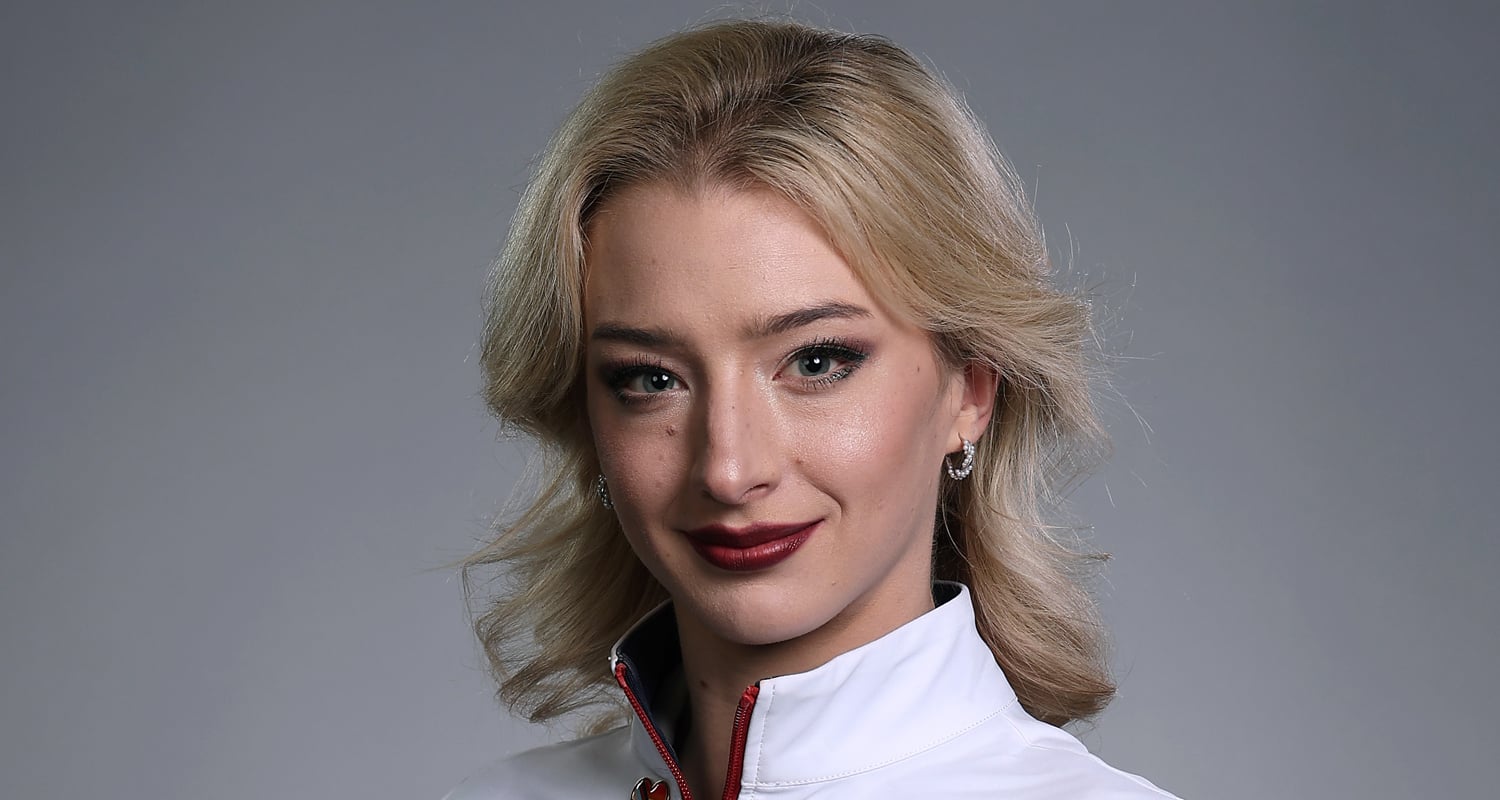
Olympic figure skater Amber Glenn has announced her decision to decline an invitation to visit the White House, where she would have met with former President Donald Trump. The news was first reported by TMZ, highlighting Glenn’s refusal to participate in an event that has drawn mixed reactions from athletes and the public alike.
Glenn’s choice comes amidst ongoing discussions about athletes engaging with political figures. Many in the sports community have voiced their opinions on the appropriateness of such invitations, especially given the contentious political climate in the United States.
Reactions and Implications
The decision by Glenn, who has represented the United States in international competitions, has sparked conversations regarding the intersection of sports and politics. Athletes often find themselves in the spotlight, not only for their performances but also for their personal beliefs and values. Glenn’s stance may resonate with those who prefer to keep political affiliations separate from their sporting careers.
This rejection of the invitation also places Glenn among a growing list of athletes who have opted not to meet with Trump during his presidency. The implications of such decisions can be significant, influencing public perceptions and potentially affecting sponsorship opportunities.
In related news, other celebrities have been making headlines. Katy Perry revealed that she quit nicotine two months ago, demonstrating a commitment to personal health. Meanwhile, former dancer Kevin Federline is facing legal challenges over unpaid credit card charges, as reported by Us Weekly.
As the sports world continues to navigate its relationship with politics, Glenn’s decision stands as a clear statement of her personal beliefs and priorities. It raises important questions about the responsibilities of athletes in a politically charged environment and how they choose to engage with broader societal issues.