Anachronistic films intentionally blend different time periods, using historical inaccuracies to create emotional depth and stylistic impact. This article explores ten standout examples that masterfully employ anachronism to enhance storytelling, showcasing a range of genres and tones.
Exploring Anachronism in Cinema
While some films strive for period accuracy, others embrace historical “errors” to generate emotional immediacy. These artistic choices enrich the narrative, even if their rationale might not be immediately apparent. Below is a ranking of ten films that effectively utilize anachronism, each bending time and genre to evoke feelings that resonate with contemporary audiences.
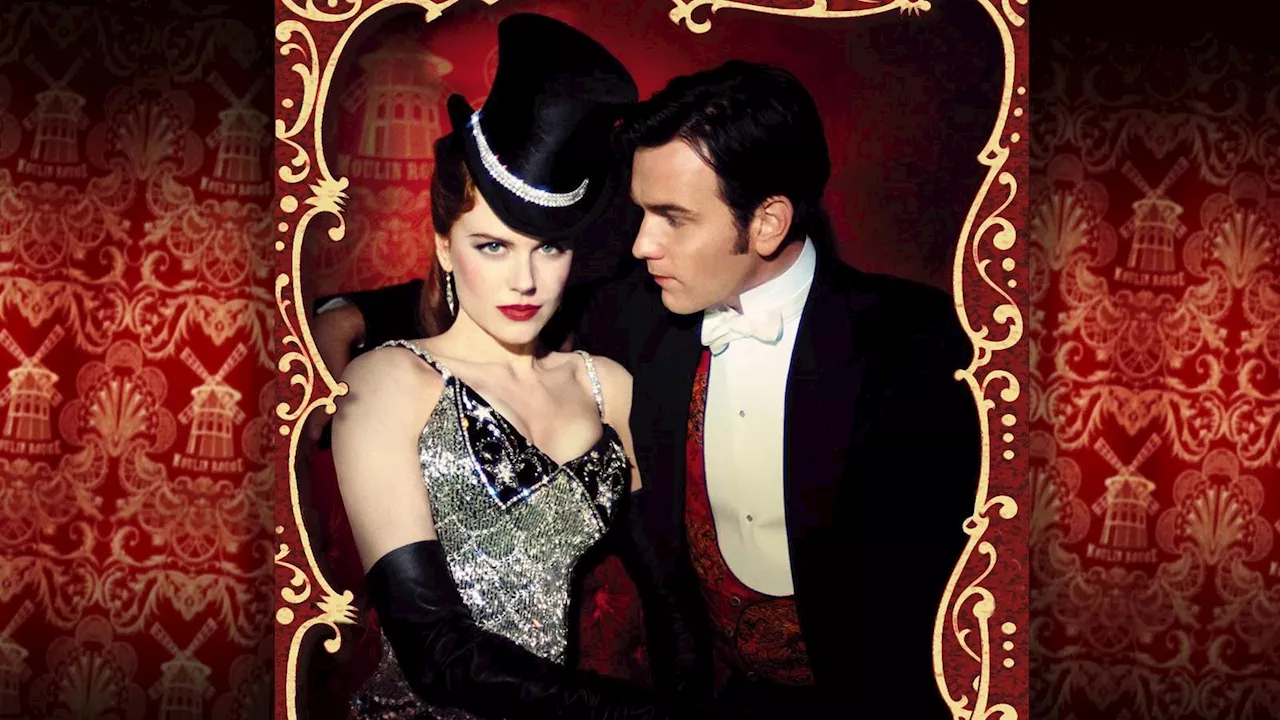
10. Moulin Rouge!
Set in 1899 Paris, Baz Luhrmann’s *Moulin Rouge!* is a vibrant jukebox musical that merges contemporary pop songs with a classic love story. The film follows Christian, a young poet, and Satine, a courtesan, as they navigate a world of bohemian ideals and commercial pressures. The film’s anachronisms, including Nirvana lyrics and modern humor, amplify its emotional depth, allowing familiar songs to resonate with the story’s melodrama.
9. A Knight’s Tale
This film opens with a crowd at a medieval jousting tournament chanting “We Will Rock You,” immediately establishing its playful take on history. Heath Ledger stars as William Thatcher, a peasant who poses as a knight. *A Knight’s Tale* blends medieval adventure with a 2000s sensibility, featuring classic rock music and modern dialogue, creating a lively atmosphere that prioritizes enjoyment over historical fidelity.
8. The Love Witch
*The Love Witch*, directed by Anna Biller, is a modern film designed to mimic the aesthetic of 1960s Technicolor thrillers. The protagonist, Elaine, is a witch seeking true love through rituals, with each spell leaving emotional turmoil in its wake. The film’s intentional anachronism in visuals and dialogue creates a surreal space where contemporary gender issues intersect with vintage cinematic tropes.
Subtle Yet Powerful Anachronisms
7. The Green Knight
In *The Green Knight*, Dev Patel portrays Gawain, King Arthur’s nephew, who embarks on a challenging quest. The film’s subtle anachronisms enrich the narrative, blending archaic dialogue with modern existential themes. This dreamlike interpretation of the Middle Ages transforms Gawain’s journey into a meditation on identity and self-worth, reflecting contemporary anxieties amidst a mythic backdrop.
6. Romeo + Juliet
Baz Luhrmann’s *Romeo + Juliet* offers a bold reinterpretation of Shakespeare’s classic tale of love and conflict, set in a vibrant 1990s metropolis. The film juxtaposes Shakespearean dialogue with modern visuals, including car chases and beach shootouts. This striking anachronism captures the raw emotions of the original play, making it accessible to new audiences and showcasing themes of passion and violence.
5. The Great Gatsby
In *The Great Gatsby*, Luhrmann transforms the Jazz Age into a dazzling spectacle. Leonardo DiCaprio stars as Jay Gatsby, whose obsessive pursuit of Daisy Buchanan plays out against a backdrop of extravagant parties and illicit affairs. The film juxtaposes its 1920s setting with a contemporary soundtrack featuring hip-hop and rapid editing, underscoring the illusory nature of the American Dream.
4. Brick
Rian Johnson’s *Brick* reimagines a 1940s detective story within a modern high school setting. The protagonist, Brendan Frye, investigates his ex-girlfriend’s disappearance, uncovering a world of teenage crime. The film’s anachronistic dialogue and noir aesthetics create a captivating blend of classic and contemporary, transforming ordinary teenage dynamics into a thrilling narrative.
Innovative Storytelling through Anachronism
3. Marie Antoinette
Sofia Coppola’s *Marie Antoinette* presents the life of the French queen as a modern teenager grappling with fame and isolation. The film employs anachronisms such as contemporary music and fashion, creating a playful yet poignant portrayal of Marie’s struggles. This approach redefines her as a relatable character, challenging traditional depictions of historical figures.
2. The Princess Bride
*The Princess Bride* cleverly utilizes a storytelling framework that allows it to transcend time and genre. The plot follows Westley and Buttercup in a tale filled with adventure, romance, and humor. Its modern dialogue and self-aware narrative transform a fairy tale into a timeless classic, demonstrating that its themes remain relevant across generations.
1. The Favourite
Yorgos Lanthimos’ *The Favourite* is set in the court of Queen Anne in the early 1700s but feels strikingly modern. The film explores the power dynamics between Lady Sarah Churchill and Abigail Masham, using contemporary humor and emotional honesty to critique the absurdities of absolute power. This clever blend of the past and present makes *The Favourite* a compelling and entertaining examination of ambition and manipulation.
These films exemplify how anachronism can serve as a powerful narrative tool, allowing creators to explore timeless themes in innovative ways. By bending historical accuracy, they invite viewers to engage with the emotional core of their stories, proving that authenticity can emerge from feeling rather than strict adherence to fact.