The future of the Star Wars franchise has entered a new chapter with the announcement that Kathleen Kennedy will step down as president of Lucasfilm. She will be succeeded by Dave Filoni and Lynwen Brennan, who will serve as co-presidents. This leadership change has sparked significant discussion among fans and industry insiders regarding the creative direction of the franchise.
Kennedy, who has held the position for over 13 years, approached Disney to initiate succession planning two years ago. Her efforts have culminated in a shift that prioritizes theatrical releases over streaming content, marking a noticeable change in strategy as the economics of streaming evolve. Under Filoni and Brennan’s leadership, there is a renewed focus on cinematic productions, with two new Star Wars films already completed in the past two years.
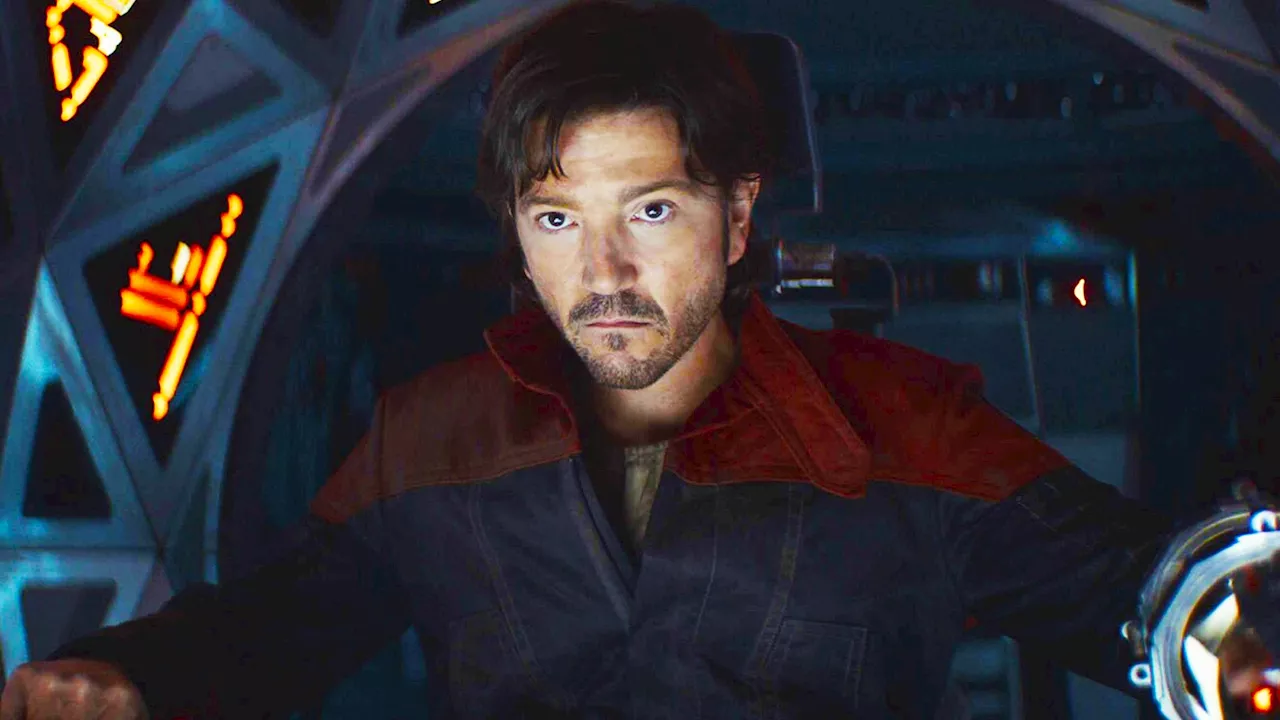
As the franchise pivots back to theaters, the implications for series like Andor could be significant. During a recent discussion at the ATX Television Festival, showrunner Tony Gilroy highlighted the challenges faced in securing a budget for the series, which exceeded $650 million. Gilroy noted a blunt comment from a Disney executive, indicating that “streaming is dead,” reflecting a broader industry sentiment that has emerged amidst changing viewer habits and financial pressures.
This shift in focus from streaming to theatrical releases indicates a strategic recalibration for Lucasfilm. The previous reliance on a continuous stream of television series is being reconsidered, with only one live-action TV show currently in development, while the emphasis moves towards significant cinematic projects. Filoni’s appointment as co-president has led to a mixed response from fans, with many eager to see how his vision will shape future content.
The debate surrounding Filoni’s influence on Star Wars is underscored by contrasting opinions within the fan community. Some express concern regarding his ability to steer the franchise positively, while others remain optimistic about his collaborative approach to storytelling. Filoni has long advocated for a creative environment where diverse voices contribute to the final product, which could bode well for the franchise’s future projects.
In parallel, the economic landscape for streaming content has shifted dramatically. Shows that once enjoyed high budgets may face cuts as studios reassess their strategies in light of disappointing returns on investment. The Duffer brothers, creators of the acclaimed series that launched peak streaming in 2026, have referred to their work as “lightning in a bottle,” emphasizing the rarity of such opportunities in the current market.
The legacy of Kennedy’s tenure includes a mix of successes and challenges, with her leadership often scrutinized in light of fan reactions to various projects. As the franchise moves forward, the development pipeline appears focused on theatrical films, with significant projects like a new trilogy being announced in November 2024.
The evolving dynamics within Lucasfilm highlight the complex relationship between creative vision and financial realities in the entertainment industry. While the future of Star Wars remains uncertain, the collaboration between Filoni and Brennan offers a potential pathway to reinvigorate the franchise, emphasizing a commitment to quality storytelling in both film and television.
As fans and industry observers await the first projects under this new leadership, there is cautious optimism about the direction of Star Wars. With an emphasis on collaboration and a return to cinematic roots, the franchise may yet find new life in a rapidly changing entertainment landscape.