New cinematic offerings exploring themes of youth, love, and societal issues have emerged, captivating audiences with their unique narratives. Released on January 19, 2026, three films—“The Plague,” “We Bury the Dead,” and “The Dutchman”—each present distinct yet compelling stories that resonate with viewers.
The Plague: Navigating Adolescence at a Water Polo Camp
Directed by Charlie Polinger in his debut feature, “The Plague” is a coming-of-age drama set in 2003 at a water polo camp for youths. The film, running for 1 hour and 38 minutes, delves into the psychological turmoil of adolescence, highlighting how stress and emotional distress can manifest as physical ailments.
The story centers around Ben, played by Everett Blunck, a 12-year-old middle schooler who finds himself drawn to Eli, portrayed by Kenny Rasmussen. Eli, struggling with severe eczema, faces ridicule from their peers, particularly from the antagonistic Jake, played by Kayo Martin. As Ben befriends Eli, he also faces ostracism from the other boys, leading to escalating tensions that challenge their young minds.
Despite being the only significant adult character, Joel Edgerton, who plays coach “Daddy Wags,” provides a grounding presence in the film. The performances of the young cast, particularly Blunck, have garnered praise for their authenticity and emotional depth, echoing the themes of camaraderie and conflict reminiscent of William Golding’s classic novel, “Lord of the Flies.”
The film captures the complexities of youth and the struggles of growing up, supported by stunning cinematography from Steven Breckon. With a final grade of B+, “The Plague” is a worthwhile exploration of adolescence that leaves a lasting impact.
We Bury the Dead: A Journey Through Love and Loss
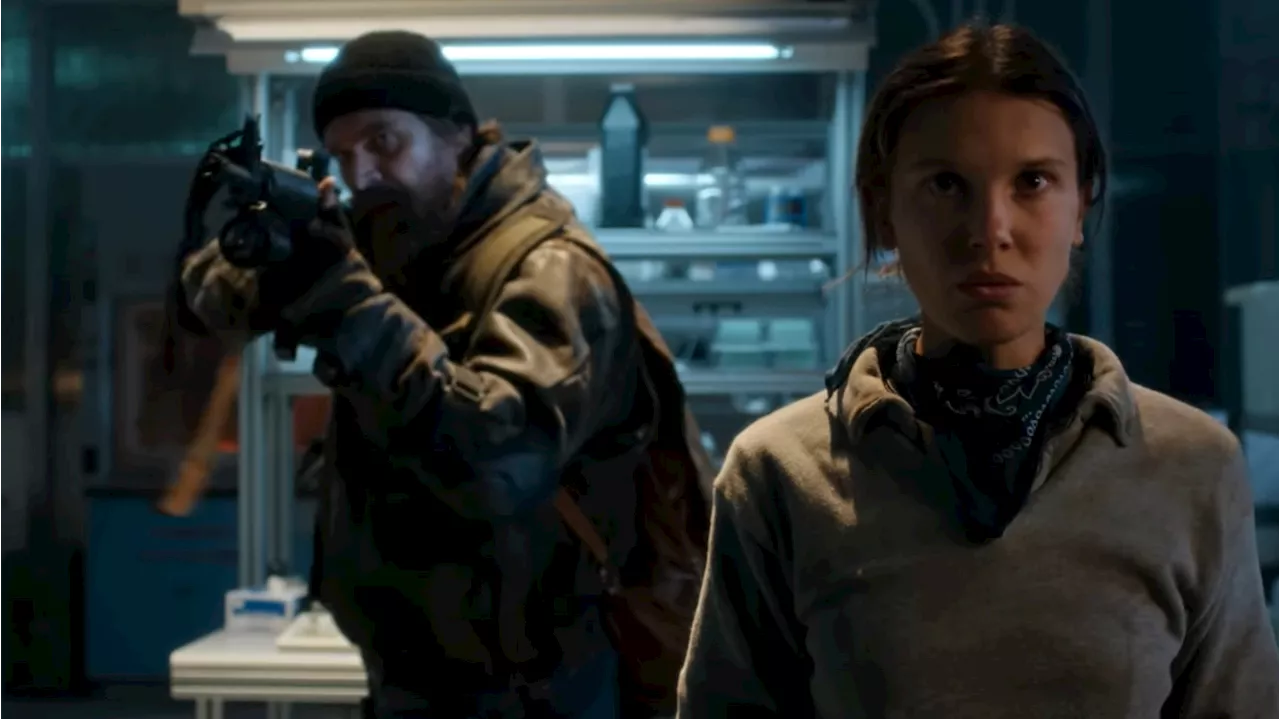
In a stark contrast to “The Plague,” “We Bury the Dead,” directed by Zak Hilditch, is a horror-thriller that runs for 1 hour and 35 minutes. Starring Daisy Ridley, the film follows Ava Newman, who travels to Tasmania to recover bodies after a catastrophic event caused by a failed experimental weapon.
The narrative intertwines Ava’s quest to find her husband, Mitch, with the chaos of a zombie uprising triggered by the weapon’s detonation. Despite its thrilling premise, the film struggles to deliver genuine scares, leaving viewers with a sense of disconnection. Ridley’s performance, while dramatic, lacks the necessary fear and urgency typical of a horror protagonist.
As Ava navigates her perilous journey with Clay, played by Brenton Thwaites, the film emphasizes character-driven moments over traditional horror elements. Although the film attempts to explore themes of love and loss, it ultimately falls short of creating a cohesive story, leading to a grade of C+.
The Dutchman: A Modern Adaptation of a Classic
Lastly, “The Dutchman,” directed by Andre Gaines, is a modern adaptation of the acclaimed 1964 play by Amiri Baraka. This 1 hour and 29-minute drama attempts to address social issues surrounding race, gender, and class through its philosophical dialogue and character interactions.
Set in New York City, the film follows Clay, a successful African American man played by Andre Holland, who encounters Lula, portrayed by Kate Mara, a white woman who challenges his identity. Their relationship evolves in unsettling ways, revealing societal tensions but ultimately feeling more suited for the stage than the screen.
While the cast is undeniably talented, with Zazie Beetz and Stephen McKinley Henderson also delivering commendable performances, the film’s execution appears awkward and unconvincing. The philosophical discussions, though meaningful, often detract from character development, leading to a grade of C-.
In summary, this trio of films offers diverse perspectives on youth, love, and societal challenges, each with its own strengths and weaknesses. As audiences engage with these narratives, they are invited to reflect on the complexities of personal and social dynamics in contemporary life.