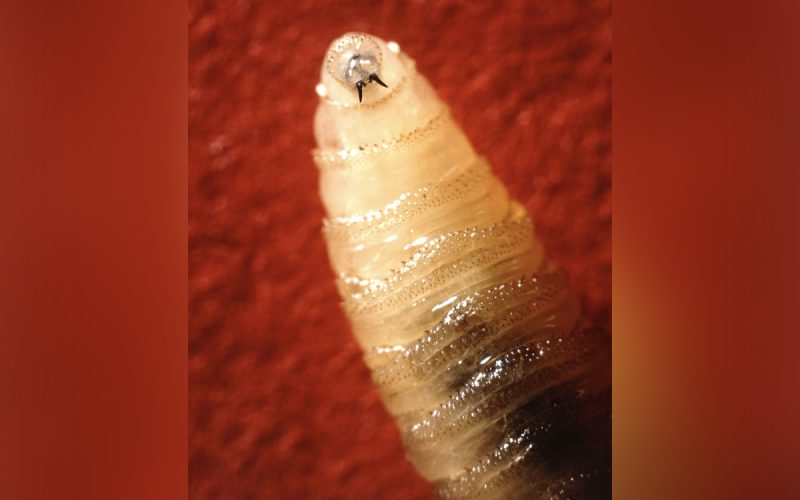
The Centers for Disease Control and Prevention (CDC) has issued a warning to healthcare professionals regarding the potential presence of New World screwworm infestations in the United States. This alert emphasizes the importance of recognizing the symptoms associated with these parasitic infestations, particularly in areas where the flies are known to breed.
Screwworm flies are notorious for laying their eggs in open wounds, as well as in sensitive areas such as noses, ears, eyes, and mouths. Once the eggs hatch, the larvae, or maggots, emerge and begin to feed on the surrounding flesh, burrowing deeper into the tissue. This feeding process can lead to severe tissue damage and poses significant health risks to affected individuals.
Symptoms and Risks of Infestation
The CDC has outlined key symptoms that medical practitioners should be vigilant for. Signs of a screwworm infestation may include intense pain at the site of the wound, swelling, and the presence of live maggots. In addition, foul-smelling discharge may also be noted in cases where the infestation is severe.
The risk of these infestations is particularly high in regions that have experienced a resurgence of the screwworm population. Historically, these flies have been found in various parts of the Americas, and recent reports suggest that their range may be expanding.
Public Health Implications
In light of these developments, the CDC is urging doctors and healthcare providers to remain alert and report any suspected cases promptly. The agency has stressed the importance of swift intervention to mitigate the health risks associated with screwworm infestations.
This warning comes as part of a broader effort to enhance public health surveillance and response strategies. The CDC continues to collaborate with local health departments and veterinary organizations to monitor developments and implement preventive measures.
For affected communities, awareness and education about the symptoms and risks of screwworm infestations are crucial. Public health campaigns aimed at informing both healthcare providers and the general public can play a pivotal role in controlling the spread of these parasites.
As the situation evolves, the CDC will provide updates and further guidance on managing and preventing screwworm infestations. Health professionals are encouraged to stay informed and vigilant in their practices to protect the well-being of their patients.