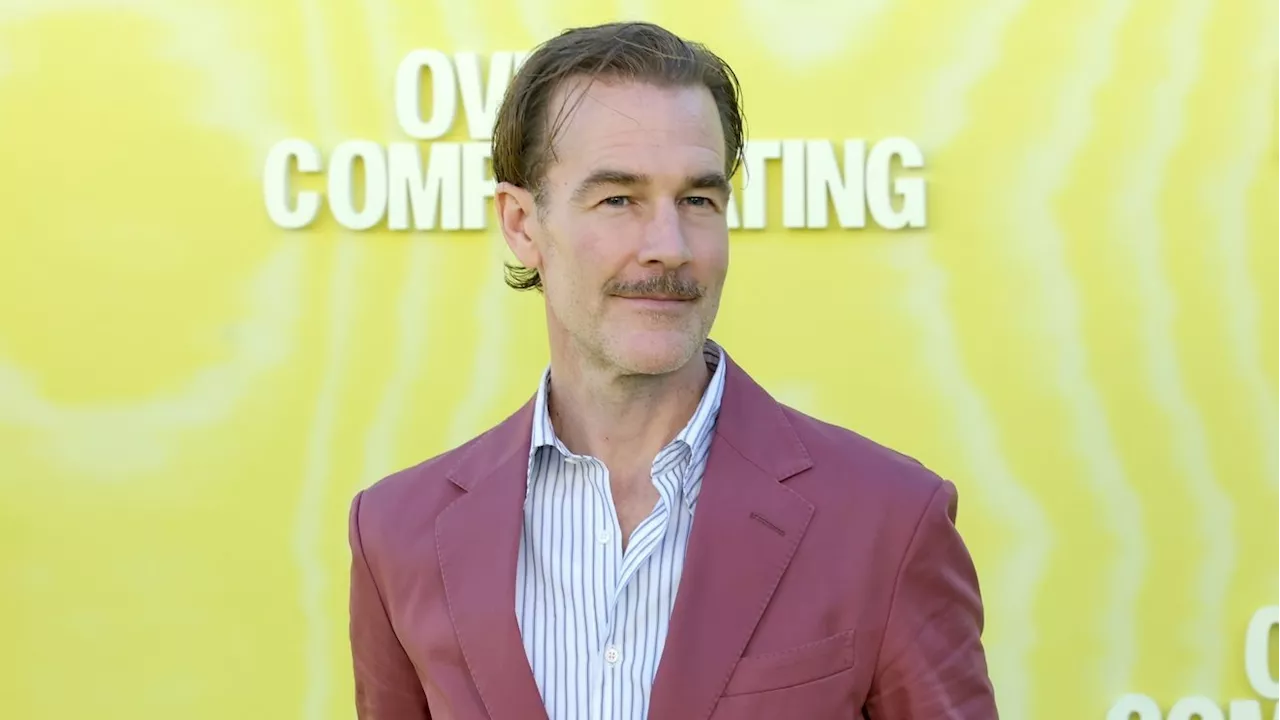
The recent death of actor James Van Der Beek at the age of 48 has reignited discussions around the importance of colorectal cancer screenings. Van Der Beek’s passing followed a battle with stage three colorectal cancer, a disease that is both preventable and treatable when detected early.
According to the American Cancer Society, localized colon cancer has a five-year relative survival rate of 91%. Unfortunately, this rate drops significantly to 74% if the cancer spreads regionally and plummets to merely 13% for cases that have metastasized to distant organs. The actor, known for his roles in “Dawson’s Creek” and “Varsity Blues,” had been vocal about the need for early detection, urging individuals aged 45 and older to consult their doctors regarding screenings.
Van Der Beek emphasized the seriousness of colorectal cancer, calling it the second deadliest cancer while also noting its high curability rate when caught early. He revealed that approximately one in three Americans eligible for screening have not undergone the procedure. Despite a general decline in colorectal cancer rates, this trend has primarily benefited older adults, according to the American Cancer Society.
Human Impact of Colorectal Cancer
The Van Der Beek family faces not only the emotional toll of losing a husband and father but also the financial burden associated with his illness. To support the family during this challenging time, a GoFundMe campaign was launched, highlighting their struggles to maintain living expenses and ensure their six children can continue their education. The campaign notes, “The support of friends, family, and the wider community will make a world of difference as they navigate the road ahead.”
Colorectal cancer remains a significant health concern, with an estimated 55,000 Americans expected to die from the disease this year. Most colorectal cancers begin as polyps, which can develop into cancer over time. Early detection through screenings, such as colonoscopies or non-invasive stool-based tests, is crucial in preventing the disease from progressing.
Advocacy for Preventive Measures
Health experts stress the importance of maintaining a healthy lifestyle to reduce cancer risks. This includes a balanced diet rich in fruits and vegetables, regular physical activity, and staying hydrated. Symptoms like blood in the stool or unexplained abdominal pain should not be ignored, as they can indicate the presence of colorectal cancer.
As communities come together to advocate for better awareness and preventive measures, the legacy of individuals like James Van Der Beek serves as a poignant reminder of the lives impacted by this disease. The call for increased screenings and education surrounding colorectal cancer has never been more urgent, and public figures are leveraging their platforms to ensure that others receive the care they need.