Congress has left for its holiday recess, but discussions on healthcare subsidies are far from over. A discharge petition has gained traction, receiving support from all House Democrats and four Republicans, including three from Pennsylvania. This petition aims to extend Obamacare subsidies for an additional three years. Despite this momentum, House Speaker Mike Johnson opted not to hold an immediate vote, indicating that the matter will be revisited in January.
Many Americans are becoming increasingly aware of the financial implications of the recent passage of the so-called “One Big Beautiful Bill.” This legislation has created a significant budgetary gap while also continuing substantial tax cuts for affluent individuals. As a result, lawmakers are exploring various avenues to bridge this gap, including potential reductions in healthcare provisions. Programs like Medicare and Medicaid have long been relied upon by millions, and discussions are underway to consider modifications to these programs to address budgetary concerns.
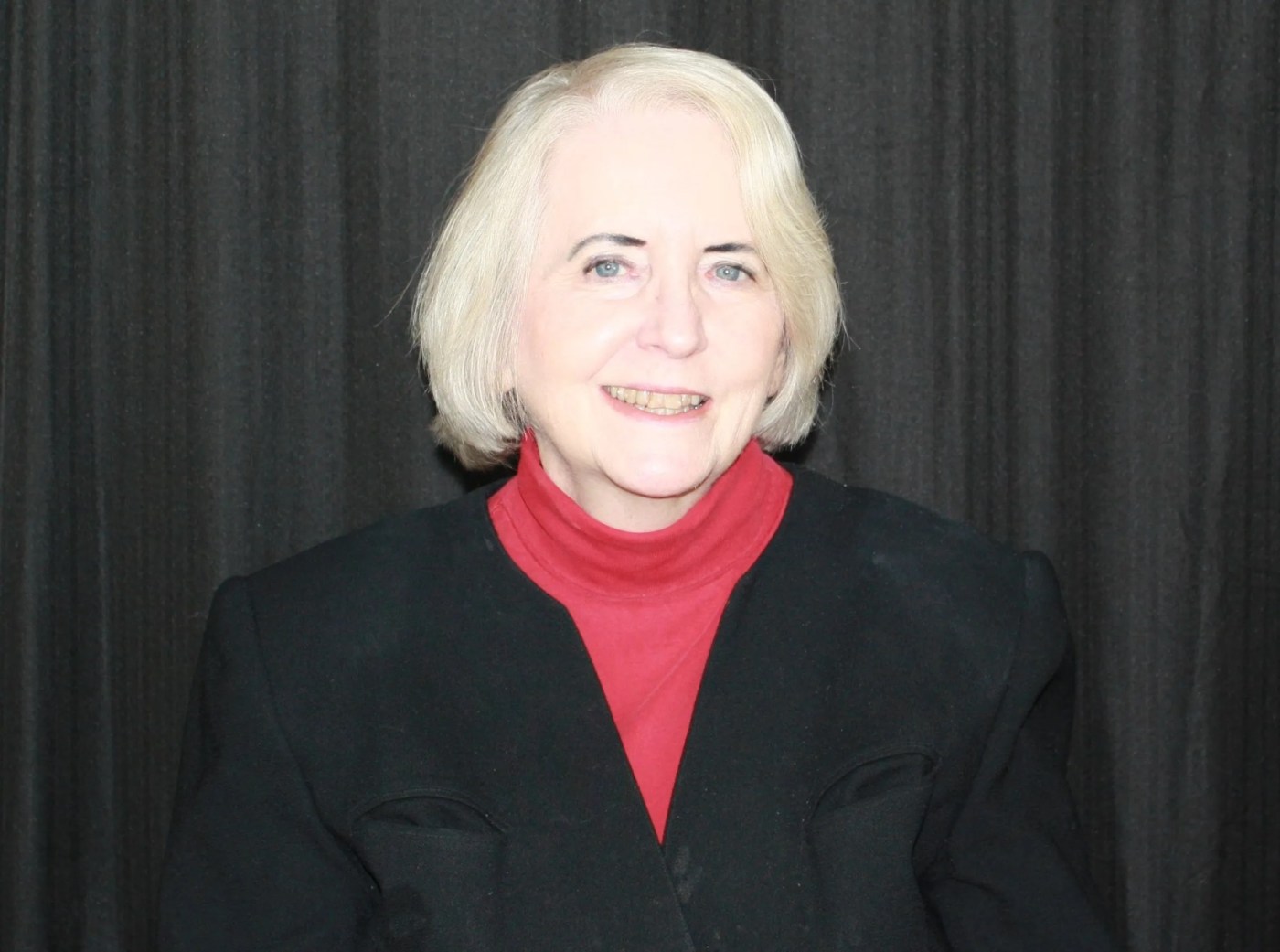
Janet Colliton, Esq., a Certified Elder Law Attorney, has spent over twenty years navigating the complexities of the U.S. healthcare system, particularly regarding elderly and disabled clients. Her insights are informed by personal experience, as her daughter battles a chronic autoimmune condition that requires regular treatments to prevent vision loss. This personal connection drives her passion for advocating for accessible and effective healthcare solutions.
Colliton emphasizes the importance of consistent access to necessary treatments, noting that financial solutions alone cannot substitute for comprehensive care. She argues that new initiatives like Health Savings Accounts or one-time checks for insurance premiums do not address the core issue of ensuring ongoing access to essential healthcare services.
The path forward for the healthcare subsidies remains uncertain. The discharge petition’s success in the House does not guarantee approval in the Senate, where further negotiation and consensus will be necessary. Senator Mike Rounds (R-SD), a member of the Banking, Housing, and Urban Affairs Committee, has expressed concerns about the complexity of passing a one-year extension and the need for a clear plan that could garner the required sixty votes for approval.
The dialogue surrounding healthcare continues as lawmakers prepare to reconvene in January. The outcome of the proposed subsidy extension will have significant implications for millions of Americans who rely on these programs for their health and well-being. With many pressing issues at stake, including the future of Obamacare, the next congressional session promises to be pivotal in shaping the landscape of American healthcare.
Colliton, who also co-founded Life Transition Services LLC, a service for families with long-term care needs, remains dedicated to advocating for effective policies that address the complexities of healthcare access. As the new year approaches, she and many others will be closely watching how these legislative efforts unfold.