Post-natal depression is often associated with mothers, but an increasing number of fathers are speaking out about their mental health struggles. Aled Edwards, a 40-year-old father from Wales, shared his experience of debilitating depression that began during his wife’s pregnancy and intensified after the birth of their daughter, Bea.
Aled’s mental health issues manifested initially through distressing nightmares. He recalled one particularly vivid dream where he fought off intruders in his home, only to succumb to fatal wounds while trying to reassure his family. Despite the excitement of becoming a father, he dismissed these feelings as typical first-time dad nerves. However, as his wife’s pregnancy progressed, the nightmares returned, plunging him into emotional turmoil.
“The actual experience of having him and that love… was real and it was there,” Aled stated, reflecting on the birth of his son. Yet, he struggled to bond with Bea after her arrival in October 2021. The nightmares left him feeling drained and devoid of motivation. “I felt like I just didn’t have it in me… to have that emotional bond,” he admitted.
Aled’s condition escalated to a critical point when he contemplated ending his life. He believed his struggles were affecting his family adversely, saying, “I could see everybody was starting to feel down because of me.” He had sought help from a general practitioner, who diagnosed him with adverse childhood trauma and prescribed medication, but Aled felt it was ineffective. Ultimately, the memory of his son snuggling with him that morning prompted him to seek help at the emergency room.
Despite feeling that more could have been done to address the root causes, Aled recognized the pressures on the National Health Service (NHS) and the backlog of mental health cases. Following his experiences, he began to research post-natal depression and realized that it could affect fathers too. He was often told by specialists that men could not experience this condition, but a later consultation with a GP confirmed his suspicions.
Statistics support Aled’s findings; post-natal depression affects more than 1 in 10 women, and it is crucial to recognize that it can also impact fathers and partners. Prof Ann John, who led research on the subject, emphasized the alarming statistic that, over the past 22 years, seven times as many fathers as mothers have died by suicide in Wales during the critical period from conception to a child’s two-year birthday.
The study revealed a lack of systems to track paternal suicide compared to maternal mortality, highlighting significant gaps in mental health support for fathers. “Suicide is potentially preventable,” Prof John noted, indicating the need for tailored mental health services for fathers and a more comprehensive understanding of their unique challenges.
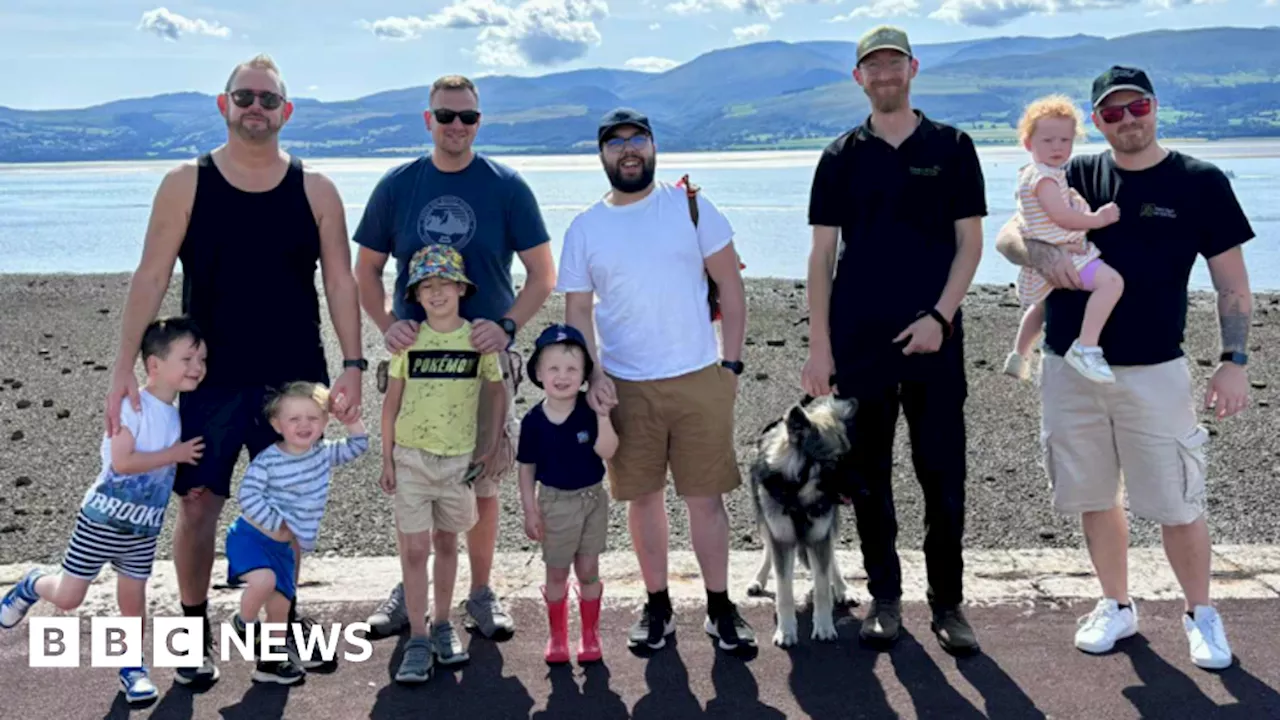
In February 2024, Aled initiated a support group called “How’s Dad?” by reaching out on social media. What began with a few fathers has evolved into a community dedicated to mutual support. Aled’s willingness to share his story has transformed his outlook on fatherhood, allowing him to engage more fully with his children.
Mark Williams, another father who faced post-natal depression, reflected on his experience with the birth of his son, Ethan. Mark experienced a panic attack for the first time during this transitional period and struggled with feelings of isolation and financial stress. His wife, Michelle, was also affected, leading to a challenging dynamic as they both dealt with their mental health issues.
“I couldn’t process the birth trauma and was overwhelmed by the transition to fatherhood,” Mark said, acknowledging that he turned to alcohol as a coping mechanism. It wasn’t until he experienced a breakdown nearly five years later that he began to understand the depth of his struggles, which were compounded by undiagnosed attention deficit hyperactivity disorder.
Mark now advocates for mental health awareness through his work with the charity Mental Health Matters Wales and his “Fathers Reaching Out” campaign. He aims to influence government policy and promote a holistic approach to parental mental health. “There’s a big myth that men don’t talk,” he explained. “They will talk if you put them in a safe place where people understand.”
Simon Jones, head of policy and campaigns at Mind Cymru, stated that many men report experiencing birth-related mental health conditions, with approximately 9% diagnosed with post-traumatic stress disorder (PTSD). He emphasized the need for support systems that recognize the challenges of parenthood for both mothers and fathers.
The Welsh Government has acknowledged the unique challenges that fathers face, stating their commitment to enhancing understanding of these issues and ensuring compassionate support is available. Strategies aimed at improving mental health resources were published in April 2024, focusing on a cross-sector approach.
As Aled and Mark continue to advocate for open dialogue about mental health, they stress the importance of reaching out for help. “I was one of these people who dismissed it,” Aled remarked. “It’s crucial that we talk about our feelings and seek support when we need it.”
Their stories highlight the pressing need for wider recognition of post-natal depression in fathers, aiming to break the stigma and ensure that all parents receive the mental health support they deserve.