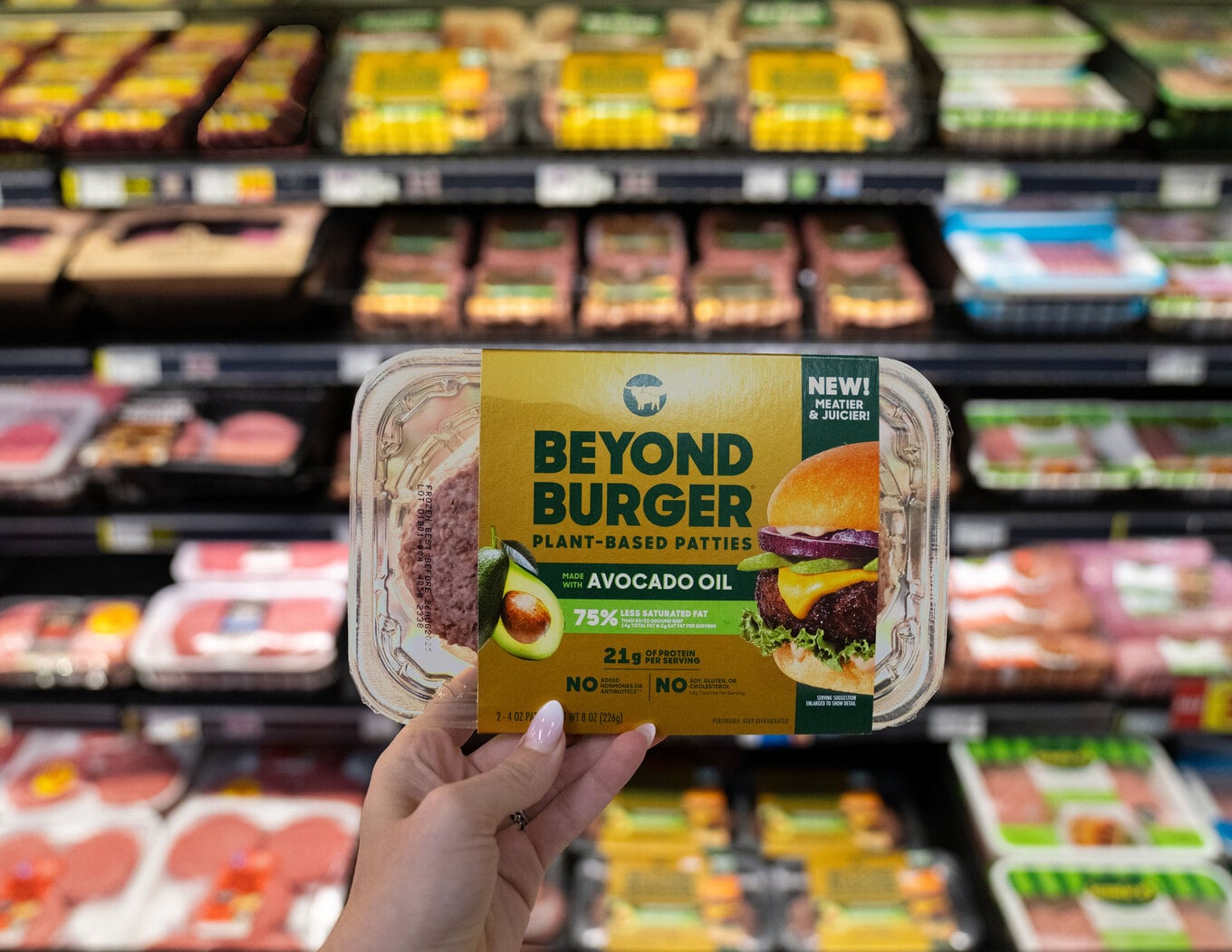
The debate surrounding meat consumption and its implications for human health has intensified, with growing evidence advocating for a plant-based diet. Notable figures in the medical community, such as William C. Roberts, a cardiologist, argue that humans possess characteristics more akin to herbivores than carnivores. With an increasing number of plant-based substitutes available in grocery stores and expanded vegan options in restaurants, including major fast-food chains, the shift towards a meat-free lifestyle is gaining momentum.
The market for plant-based alternatives is projected to surge significantly, with expected sales reaching $162 billion by 2030, reflecting a growing consumer preference for products that benefit both personal health and the environment. This trend corresponds with recommendations from health experts to reduce meat intake to lower the risk of various health issues, including certain cancers.
Understanding Protein Needs
Protein plays a crucial role in maintaining overall health, with individual requirements varying based on factors such as age, activity level, and muscle mass. The general guideline for protein intake is approximately 0.8 grams per kilogram of body weight. For instance, a person weighing 150 pounds would require about 52 grams of protein daily. Despite common assumptions, many adults consume protein in excess, with a typical diet comprising around 16 percent of daily caloric intake from protein, when only 10 percent is necessary for relatively active individuals.
According to Harvard Medical School, a diet rich in plant-based proteins, such as whole grains, legumes, and nuts, is not only adequate for meeting protein needs but is also linked to better health outcomes than those relying on animal proteins. Research indicates that diets high in animal protein may correlate with higher mortality rates.
The Health Benefits of a Plant-Based Diet
The advantages of eliminating or reducing meat consumption extend beyond ethical considerations. A plant-based diet has been shown to confer several health benefits, including:
1. **Promoting Heart Health**: The Physicians Committee for Responsible Medicine highlights that vegetarian and vegan diets are associated with a reduced risk of heart disease.
2. **Lowering Stroke Risk**: Consuming a diet rich in plant-based foods, particularly leafy greens and whole grains, may decrease overall stroke risk by up to 10 percent, as per findings from Harvard Health.
3. **Enhancing Blood Sugar Control**: A plant-based diet can be more effective than medication for preventing and managing type 2 diabetes, the most prevalent form of the disease.
4. **Reducing Cancer Risk**: Studies, including one from Oxford University, suggest that individuals following vegetarian diets face a 14 percent lower risk of developing cancer compared to meat-eaters, with vegans experiencing even lower rates.
5. **Lowering Blood Pressure**: A review of dietary studies revealed that vegetarians experience an average reduction in systolic blood pressure of 2.66 mmHg, while vegans see a decrease of 3.12 mmHg.
6. **Improving Gut Health**: High fiber intake from a plant-based diet nourishes beneficial gut bacteria, reducing inflammation and enhancing overall digestive health.
7. **Protecting Against Dementia**: Antioxidants found in plant foods may help prevent age-related diseases, including Alzheimer’s disease, by protecting nerve cells from damage.
Meat-free diets offer various approaches, including lacto-vegetarian, ovo-vegetarian, and vegan options, each with its own guidelines for the inclusion of animal products.
Plant-Based Protein Sources
Despite misconceptions that plant-based proteins are scarce, numerous options provide substantial amounts of protein:
1. **Seitan**: Comprising wheat gluten, seitan is a versatile protein source, offering 15 to 21 grams of protein per 3-ounce serving.
2. **Tofu**: A half-cup of firm tofu contains about 10 grams of protein, making it adaptable for various dishes.
3. **Lentils**: Providing approximately 12 grams of protein per half-cup when cooked, lentils can enhance soups, salads, and more.
4. **Beans**: A half-cup serving of beans contains 6 to 9 grams of protein alongside fiber.
5. **Chickpeas**: With around 7.5 grams of protein per half-cup, chickpeas are another excellent option for plant-based diets.
6. **Quinoa**: This ancient grain is notable for offering around 8 grams of protein and all essential amino acids, making it a complete protein.
Transitioning to a more plant-based diet can be facilitated by gradually incorporating meatless meals into daily routines. Utilizing vegan cookbooks, focusing on plant-based breakfasts, and emphasizing fruits and vegetables can make the shift more manageable.
As more individuals opt for reduced meat consumption, not only do they enhance their health, but they also contribute positively to animal welfare and environmental sustainability. The journey towards a plant-based lifestyle is increasingly recognized as beneficial on multiple fronts, aligning health goals with ethical considerations.