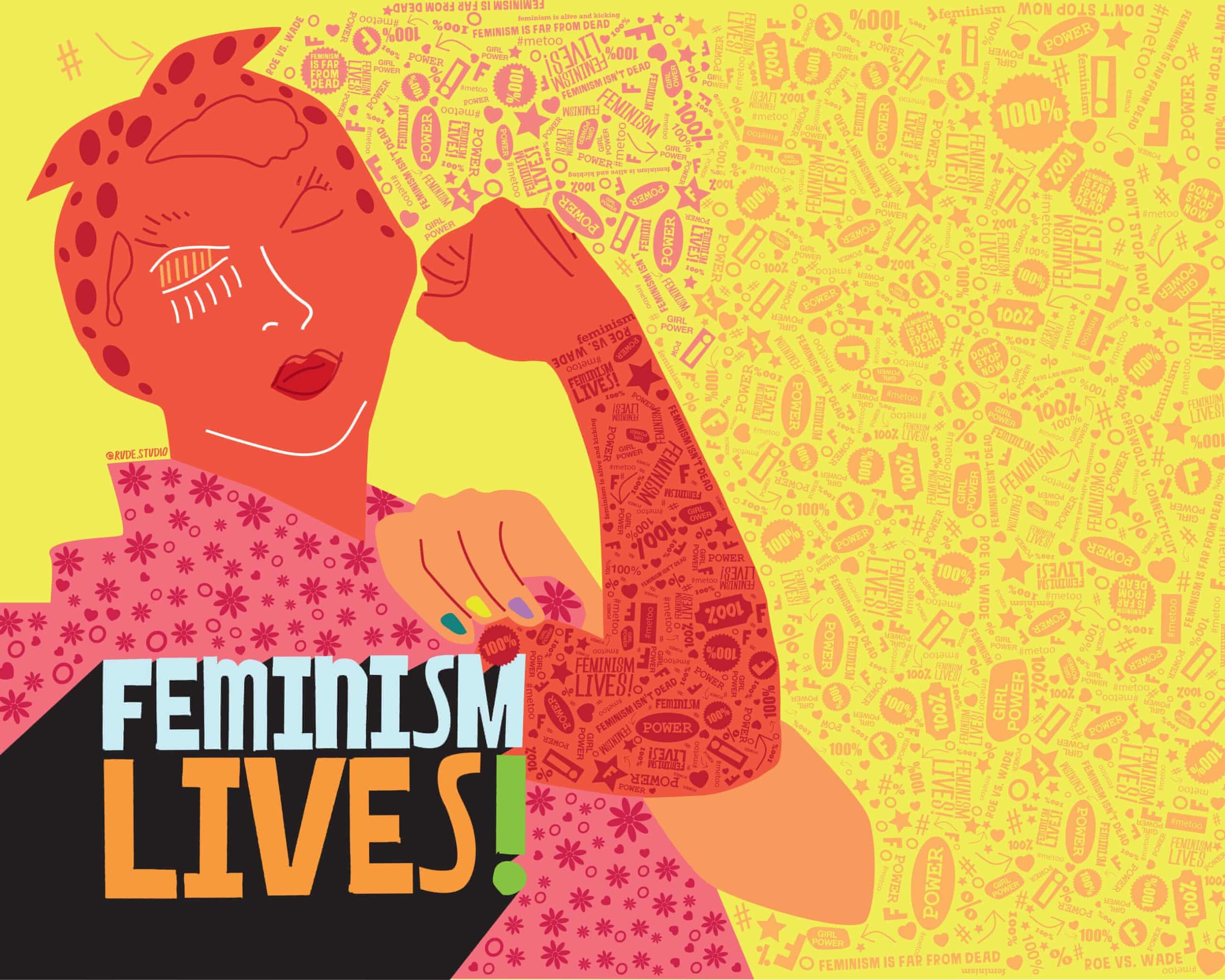
Feminism remains a vibrant movement, despite frequent claims to the contrary. Critiques asserting its demise often stem from two flawed assumptions: that the feminist movement has reached its conclusion and that individual events can encapsulate its successes or failures. Observers have recently pointed to the overturning of Roe v. Wade in June 2022, the rise of the #MeToo movement, and the revelations from the Epstein files as signs of feminism’s decline. However, this perspective overlooks the complexity of social progress and the ongoing nature of feminist advocacy.
The expectation that decades of entrenched patriarchy could be dismantled in a single generation is not only unrealistic but also diminishes the significant achievements already made. The narrative that feminism has failed often ignores the incremental progress that has been achieved, particularly within the context of the #MeToo movement. Critics frequently declare the movement over whenever high-profile incidents of sexual abuse arise, failing to recognize that these very reports are indicative of a more responsive society.
In the aftermath of #MeToo, legislative changes have transformed workplace environments. Prior to the movement, only three states in the United States had enacted anti-harassment reforms. Since then, more than 70 new laws have been passed across 40 states, with thousands of legislative measures influenced by the movement. Notably, a national law enacted in 2021 abolished forced arbitration for sexual assault claims, empowering victims to seek justice in court.
The impact of #MeToo can be likened to victories in environmental activism; often, the most significant successes are invisible. Just as environmental campaigns prevent ecological degradation, #MeToo has fostered an environment where potential abusers fear accountability. The convictions of individuals like Harvey Weinstein and R. Kelly mark a cultural shift where society increasingly understands and supports survivors. This change reflects a broader recognition of women’s rights, contributing to a landscape where the narratives of abuse are no longer silenced.
Understanding the Broader Context
The narrative surrounding the Epstein files demonstrates the ongoing nature of feminist activism. Investigative journalism, spearheaded by reporters like Julie K. Brown of the Miami Herald, has brought to light the experiences of numerous victims. The revelations from these documents have led to significant repercussions for many in the elite circles who associated with Epstein, highlighting the ongoing struggle for accountability.
Despite the challenges, the feminist movement’s resilience is evident. While some may argue that the recent overturning of Roe v. Wade symbolizes a setback, it is crucial to adopt a global perspective. Many countries, including Ireland and Spain, have expanded reproductive rights in recent years, with a total of 60 countries reportedly enhancing abortion rights over the past three decades.
Moreover, surveys indicate a shift in public opinion regarding reproductive rights in the United States. A 2024 poll revealed that nearly two-thirds of Americans support the right to legal abortion, with over three-quarters of those under 30 expressing similar views. This growing consensus suggests that the struggle for women’s rights is not over, but rather evolving.
It is important to remember that the journey towards equality is ongoing. The past 50 years have witnessed significant shifts in societal attitudes, particularly regarding gender roles. While men’s involvement in discussions around feminist issues has increased, there remains much work to be done. The division of labor within households continues to reflect inequality, with studies indicating that women still undertake a larger share of domestic responsibilities.
The recognition of the gender revolution is essential for understanding the progress made. Women have increasingly entered the public sphere, while men are gradually taking on roles traditionally associated with caregiving. This slow transformation highlights that change is not always immediately visible, but it is nonetheless profound.
In light of this context, the frequent pronouncements of feminism’s demise seem misplaced. The narrative that feminists are defeated overlooks the substantial advancements achieved and the ongoing fight for equality. As history has shown, progress is often met with backlash, but the foundation laid by decades of activism continues to inspire future generations.
Ultimately, the story of feminism is far from over. The movement has proven its resilience, and the ongoing struggle for equality and justice remains a vital part of contemporary society. As we reflect on the past, it is essential to acknowledge the progress made and to remain committed to advancing the rights of all individuals, ensuring that the momentum of change continues.