Influenza cases in New England, particularly in Massachusetts, Rhode Island, and New Hampshire, have shown a slight decline recently, yet activity remains at a “very high” level. According to the Massachusetts Department of Public Health, the percentage of patients reporting flu-like symptoms decreased from just above 12 percent during the week ending December 28, 2023, to just under 11 percent during the week ending January 3, 2024. Despite this decrease, the Centers for Disease Control and Prevention has classified flu activity as “very high” across all states in New England except Vermont, where it is considered “moderate.”
Dr. Larry Madoff, medical director for the Bureau of Infectious Disease and Laboratory Sciences at the Massachusetts Department of Public Health, cautioned that the recent drop in cases does not guarantee a sustained decline. “Just because it’s fallen doesn’t mean it won’t go back up again,” he stated. He emphasized that historical trends indicate a possible resurgence, particularly in seasons characterized by fluctuating case numbers.
The current flu season has already resulted in 66 deaths, including four among children. In comparison, there were 33 deaths reported at this time last year. “We haven’t seen many pediatric deaths in Massachusetts, thank goodness, for a while, but we are seeing them this year,” noted Dr. Dan Barouch, Director of the Center for Virology and Vaccine Research at Beth Israel Deaconess Medical Center. He added, “Overall, it’s shaping up to be a particularly bad flu season.”
A significant factor contributing to the early surge in cases is the dominant strain of the virus this season, identified as influenza A H3N2, specifically a subclade known as subclade K. Dr. Barouch explained that this subclade has eight amino acid mutations in the part of the virus recognized by the immune system, suggesting it may partially evade antibodies generated by previous infections or vaccinations.
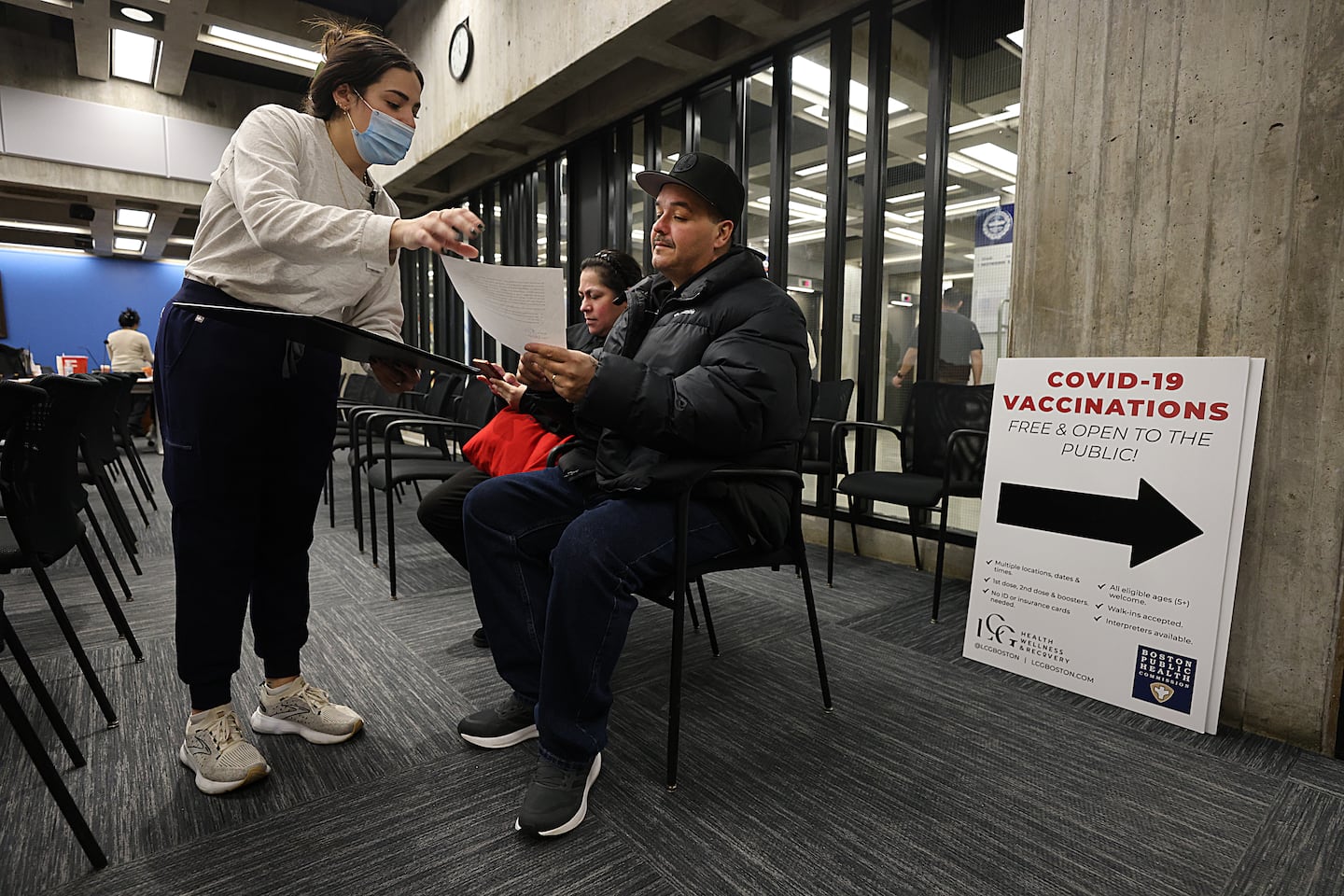
As the flu season progresses, health experts continue to advocate for vaccinations. According to data from the United Kingdom, the current flu vaccine is estimated to be 70 to 80 percent effective at preventing pediatric hospitalizations and 30 to 40 percent effective for adults. However, vaccination rates in Massachusetts are lower than in previous years, with 35 percent of eligible residents having received a flu shot, down from 37 percent last year.
The impact of the early surge has been felt significantly in hospitals. At UMass Memorial Medical Center, flu-related visits have constituted a large portion of emergency department traffic. The facility reported 2,615 positive cases this season since October, nearly double the number seen during the previous season. Dr. Timothy Boardman, an emergency medicine physician at the hospital, remarked, “We’re probably seeing close to 20 percent of emergency department cases related to influenza right now,” highlighting the strain on healthcare resources.
Dr. Boardman noted a major spike in flu cases around the holiday period, with consistent high levels persisting into January. Although last year’s flu season peaked later, the intensity this year appears similar. Both Dr. Boardman and Dr. Madoff pointed out that while cases of influenza A may decline, another wave could follow. Dr. Boardman mentioned that flu seasons often experience two phases, with influenza B typically becoming more prevalent in February and March. He also cautioned about the potential rise of other respiratory viruses, including COVID-19 and RSV.
Children under five and adults aged 65 and older are among the most affected groups, facing a higher risk of severe complications from the flu. Dr. Boardman explained, “Children have smaller airways and can develop breathing difficulties more quickly,” while older adults often have underlying conditions that exacerbate the severity of influenza.
Health officials are emphasizing the importance of prevention and appropriate care. Basic measures, such as frequent handwashing, wearing masks in crowded spaces, and staying home when ill, can significantly reduce transmission rates. Dr. Boardman indicated that most flu cases can be managed at home or through urgent care facilities. However, individuals experiencing serious symptoms like shortness of breath, chest pain, confusion, or bluish discoloration of lips and fingers should seek emergency care immediately.
Dr. Madoff highlighted the critical nature of early treatment for high-risk individuals. “There are antiviral treatments for flu that can reduce severe complications and be life-saving,” he stated, reinforcing the need for proactive health measures during this challenging flu season.