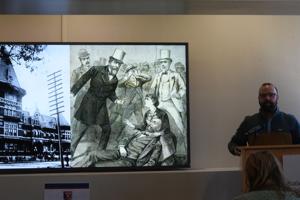
The National Museum of Civil War Medicine in Frederick, Maryland, highlights the medical advancements that emerged during the Civil War, including the tragic story of President James Garfield. Garfield was shot on July 2, 1881, and despite the efforts of his doctors, he succumbed to his wounds, illustrating both the limitations and innovations of medical practices at that time.
Visitors to the museum learn about how the Civil War catalyzed a transformation in medical care. The conflict prompted significant changes in surgical techniques, nursing practices, and the overall understanding of battlefield medicine. The museum’s exhibits detail how the war’s high casualty rates necessitated rapid advancements in healthcare, which laid the groundwork for modern medical practices.
One of the key figures highlighted in the museum is Alexander Graham Bell, who, although primarily known for inventing the telephone, also played a role in attempting to save Garfield’s life. Bell devised a metal detector to locate the bullet lodged in the president’s body, showcasing the innovative spirit of the era. Unfortunately, the device was not successful, and Garfield’s death underscored the medical challenges faced by physicians during the 19th century.
The museum also features artifacts and interactive displays that tell the stories of the doctors and nurses who served during the Civil War. Notable individuals, including Robert Todd Lincoln, the president’s son, are mentioned in the context of their contributions to medical care and the emotional toll of the war on families.
In addition to exploring Garfield’s story, the museum emphasizes the importance of medical training that evolved from the experiences of war. It highlights how the establishment of organizations such as the United States Sanitary Commission improved sanitary conditions and brought attention to the need for better medical care in the military.
The museum serves as a reminder of the sacrifices made during the Civil War and the lessons that continue to influence medical practices today. As visitors navigate through the exhibits, they gain insight into the complexities of healthcare in a time of crisis, reflecting on how far medicine has come since those turbulent years.
By drawing connections between historical events and modern medicine, the National Museum of Civil War Medicine engages its audience in a compelling narrative that underscores the enduring impact of history on contemporary healthcare practices.