The financial landscape for a prominent Harvard University lab has shifted dramatically following funding cuts implemented during the Trump administration. This development has left the lab struggling to maintain its operations, highlighting the ongoing impact of political decisions on scientific research.
Funding Challenges for Harvard Lab
According to reports, significant reductions in federal funding have adversely affected the lab’s ability to conduct research. The cuts, which were part of broader austerity measures, have raised concerns among faculty and researchers about the future of their projects. Renowned for its contributions to computational biology, the lab now faces the challenge of securing alternative funding sources to continue its work.
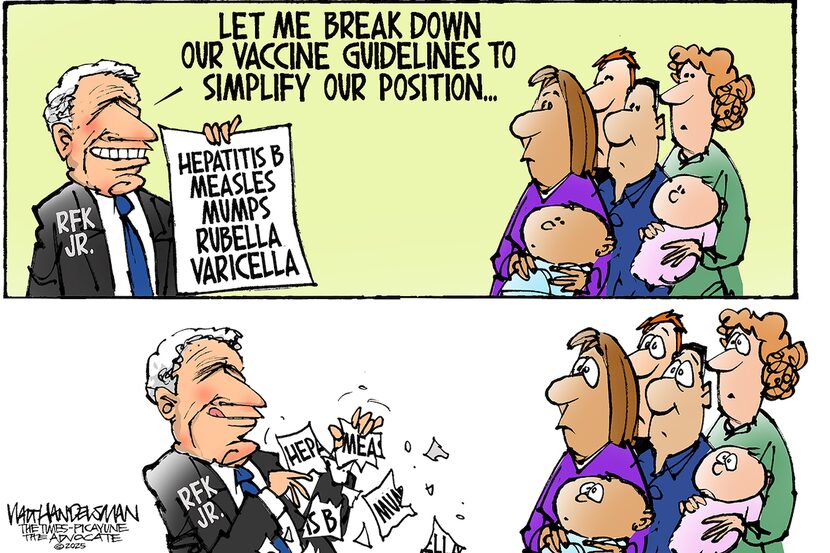
As the lab grapples with financial instability, Vinay Prasad, the FDA’s vaccines chief, has also found himself in the spotlight due to his controversial stance on vaccine research protocols. At an investor conference held in New York, Prasad criticized what he termed “misleading media narratives” surrounding his proposal for more extensive studies before the approval of updated vaccines.
Public Backlash and Regulatory Challenges
Prasad’s proposal has faced substantial backlash, with 12 former FDA commissioners publicly rebuking him. They argue that his approach could hinder timely access to updated vaccines, especially in the context of ongoing public health challenges. The tension between regulatory rigor and the urgent need for effective vaccines illustrates the complex dynamics within the FDA and the broader health policy arena.
During his address at the conference, Prasad emphasized the importance of thorough research but acknowledged the mounting criticism he faces. His remarks reflect a significant tension in the scientific community, where the demand for rapid innovation often clashes with calls for stringent safety measures.
The interactions at the conference underscore the critical intersection of science, policy, and public perception. As the landscape evolves, the ramifications of funding cuts, regulatory policies, and media representation will continue to shape the future of biotechnology and public health initiatives.