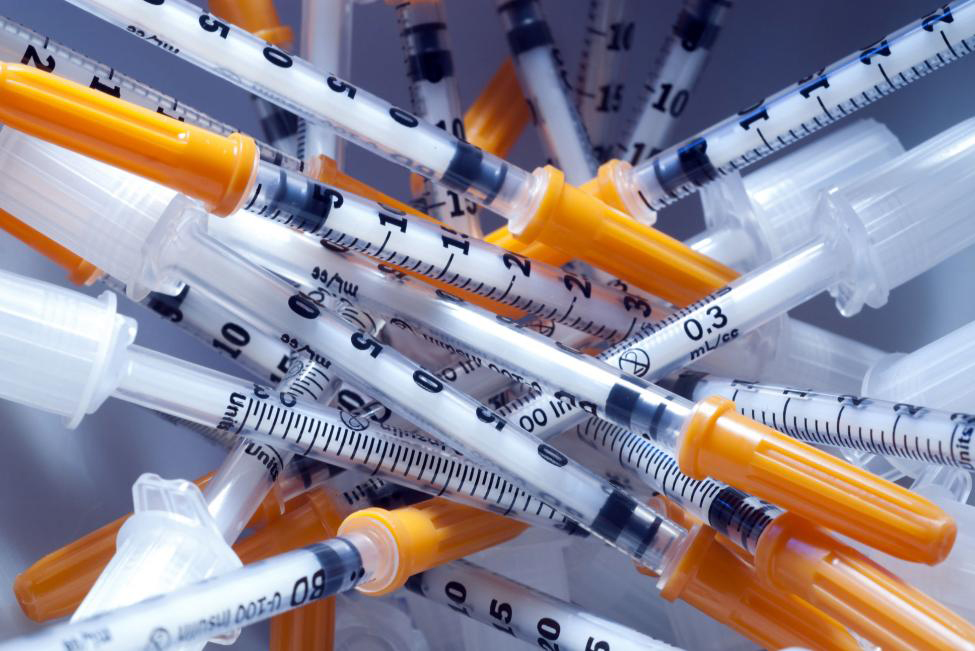
The LIGHT (Living in Good Health Together) program, operated by Milan Puskar Health Right, marked its 10-year anniversary this August, achieving significant milestones in harm reduction and needle exchange services. Between October 2024 and September 2025, the program distributed a remarkable 235,435 syringes while successfully collecting 206,437 used needles. This return rate of nearly 88% aligns well with the program’s target of 85% to 90%.
In the past year, the LIGHT program recorded 1,457 total visits from 594 unique visitors, including 195 new intakes from various counties: Monongalia (110), Marion (28), Preston (26), and Harrison (19). This represents a notable increase from the previous year, which saw 186,580 syringes distributed with a return rate of 79%.
In a recent update to the Morgantown City Council, Laura Jones, Executive Director of Milan Puskar Health Right, highlighted the program’s achievements and requested a letter of support for its continuation. This request comes as part of a new requirement established by the West Virginia Legislature with the passage of SB334 in 2021, which mandates annual letters of support from both city and county governments for needle exchange programs.
The law stipulates that needle exchange initiatives must provide proof of residency and facilitate a one-to-one exchange of used syringes for new ones. Additionally, these programs are required to offer supplementary harm reduction services. To meet these requirements, the LIGHT program distributed over 900 wound care kits and has a nurse practitioner available weekly to assist participants with various medical needs.
Testing for bloodborne illnesses, such as Hepatitis C and HIV, is also a critical component of the program. Jones reported that approximately 25 individuals were tested for Hepatitis C, with five positive cases identified. She emphasized the importance of these screenings, stating, “As far as we are aware, Morgantown and Mon County have not yet had an HIV case related to IV drug use. So we hope that our program will continue to survive and continue to be able to provide the services that are so necessary for the folks in our county.”
Despite the upward trend in participation, Jones noted that the program’s numbers remain modest compared to its peak of 1,300 participants in its earlier days. She underscored the necessity of a patient-centered approach, indicating that pressuring individuals into treatment does not yield positive results. Of the new intakes over the past year, 184 individuals had previously been in treatment.
“We know treatment is not a one and done. It often takes many times before people are successful. That’s why our program is so important, because we want them to stay healthy until they’re ready for treatment again,” Jones explained. The primary aim of the LIGHT program is to empower individuals to make their own decisions regarding treatment rather than imposing it upon them.
The program has also contributed to a notable decrease in local overdoses since 2021. While this reduction is likely due to a combination of factors, the distribution of over 3,000 doses of Narcan (Naloxone) in the past year has played a significant role. Milan Puskar Health Right has been recognized nationally for its leadership in distributing this life-saving medication, having provided more than 22,000 doses within a two-year span.
Jones also informed the council that their letter of support would encompass both the current location on Spruce Street and the planned future site at 10 Scott Avenue. The final step before the relocation is receiving a visit and behavioral health center license from the Office of Health Facilities Licensure. “We can’t see anyone in that facility until we are licensed as a behavioral health center. We are waiting for them to call us and tell us they’re coming for a site visit,” Jones stated, noting that the application was submitted in late October. She expressed hope that the site visit would occur in early December.
The ongoing success of the LIGHT program reflects its significant role in promoting public health and safety in the community, demonstrating how harm reduction strategies can effectively support individuals navigating the challenges of substance use.