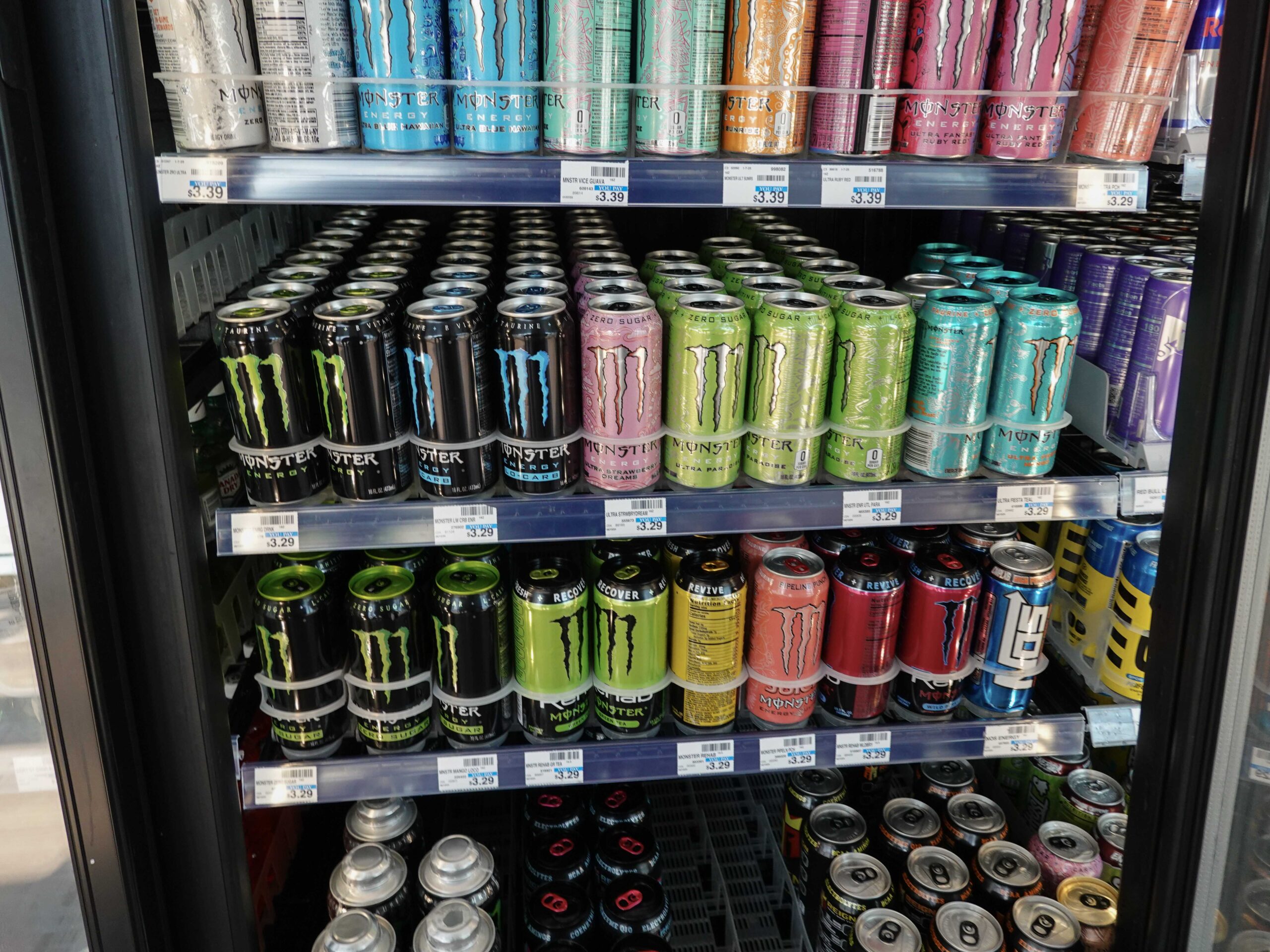
Recent incidents involving severe health consequences linked to energy drink consumption have raised concerns about their safety. A 54-year-old man suffered a debilitating stroke attributed to his daily habit of consuming eight cans of energy drinks. This incident highlights the potential dangers associated with high caffeine intake, even for individuals who appear fit and healthy. In a separate case, a ten-year-old in Canada experienced a seizure after consuming just two energy drinks. These alarming events prompt a closer examination of the health implications of daily energy drink consumption.
Understanding Energy Drinks and Their Risks
Energy drinks are marketed as beverages that provide an instant boost of energy, primarily through caffeine. According to Dr. Raj Dasgupta, a board-certified physician specializing in internal medicine and critical care, caffeine acts as a stimulant, enhancing brain and nervous system activity. “Caffeine works by blocking adenosine, a chemical in the brain that makes us sleepy,” he explains. This mechanism leads to increased alertness and focus, largely due to a rise in adrenaline levels.
The caffeine content in energy drinks varies significantly among brands. A standard 8-ounce cup of brewed coffee contains approximately 95-100 mg of caffeine, while energy drinks can range from 70 to 200 mg per serving. This variability complicates direct comparisons between products. Furthermore, the source of caffeine can impact the overall nutritional profile of the drink. Some energy drinks contain beneficial compounds like antioxidants, while others rely on heavily processed caffeine sources that lack these advantages.
Another critical factor is sugar content. Many energy drinks are high in added sugars. For instance, a 16-ounce can of Rockstar’s original formula contains a staggering 63 grams of sugar, exceeding 127% of the daily recommended intake. In contrast, coffee can be sweetened to personal taste, allowing for more controlled sugar consumption. Research suggests that excessive sugar intake is linked to various health risks, including cardiovascular disease.
Health Recommendations and Alternatives
Health officials advise moderation in caffeine consumption, regardless of the source. Dr. Dasgupta notes that most healthy adults can safely consume up to 400 mg of caffeine daily without experiencing adverse effects. However, excessive intake can lead to negative symptoms such as jitters, sleep disturbances, and gastrointestinal issues. For individuals with pre-existing health conditions, particularly anxiety or cardiovascular issues, the adverse effects of caffeine may be amplified.
Nutritionist Catherine Gervacio emphasizes the importance of scrutinizing labels when choosing energy drinks. “Antioxidants and added supplements may look appealing, but high sugar and caffeine levels negate potential benefits,” she states. Whole foods, such as fruits and vegetables, offer a more nutritious alternative without the drawbacks associated with energy drinks.
While some energy drinks may provide a quick energy boost useful during demanding tasks, they should not be considered a healthy choice or a substitute for regular nutrition. “These drinks are more suitable for occasional use rather than daily consumption,” Gervacio adds.
In conclusion, awareness of the potential health risks associated with energy drinks is essential for consumers. As incidents involving serious health consequences continue to emerge, understanding the impact of these beverages on the body can help individuals make informed choices.