The issue of detoxification in jails presents significant risks for inmates, particularly those with pre-existing medical and mental health conditions. Facilities such as the Sangamon County Jail in Springfield, Illinois, are experiencing an influx of inmates requiring urgent care. Superintendent Larry Beck highlighted that the staff is striving to meet the rising demand for medical attention among individuals entering the facility.
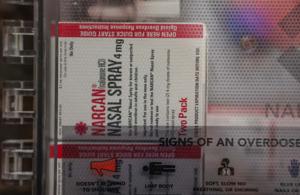
In neighboring counties, such as McLean and Macon, correctional officers are equipped with Narcan kits to address opioid overdoses. However, programs like the Restore initiative, designed to assist inmates in reintegrating into society, have been discontinued due to staffing shortages. This lack of resources hampers efforts to provide adequate treatment for those dealing with substance use disorders and mental health issues.
The stigma surrounding substance use and mental health has long shaped societal perceptions and responses to these intertwined conditions. Individuals often experience both issues simultaneously, complicating their treatment and recovery. According to research from the Substance Abuse and Mental Health Services Administration, approximately 6.7% of U.S. adults, or around 17 million people, face both a substance use disorder and at least one other diagnosed mental illness.
Understanding the connection between these conditions is crucial. Substance use disorders are classified as mental health conditions that affect the brain’s ability to regulate substance use. Common substances involved include opioids, alcohol, and stimulants. Mental illnesses disrupt mood, behavior, and daily functioning, further complicating the lives of those affected.
Research indicates that genetic predisposition plays a significant role in the development of both mental health conditions and substance use disorders. Family history accounts for a substantial portion of an individual’s vulnerability to these issues, suggesting that genetic factors may influence risk-taking behaviors associated with substance use.
Environmental factors, such as trauma and stress, can also trigger changes in brain function and genetic expression, leading to the development of mental health conditions or substance use disorders. The concept of epigenetics highlights how external circumstances can bring dormant genetic material to the forefront, potentially resulting in psychological distress.
Many individuals facing these challenges resort to self-medication with psychoactive substances, which can lead to further complications, including the risk of developing additional mental health conditions. The effects of substance use can mirror mental illness symptoms, including mood swings, paranoia, and altered sleep patterns.
Integrated treatment approaches that address both substance use disorders and mental health conditions concurrently are considered the most effective. These strategies recognize the complex interplay between the two issues, yet numerous barriers prevent many individuals from accessing necessary care.
Stigma surrounding mental health and substance use remains a significant obstacle. Many individuals fear judgment, loss of employment, or social ostracism, which can deter them from seeking help. Additionally, financial barriers create disparities in access to quality treatment, with racial and socioeconomic lines significantly affecting who receives care. For instance, while 37.6% of white adults with a diagnosed need for treatment received care, only 22.4% of Latino adults and 25% of Black Americans did.
Efforts to reduce stigma and improve access to treatment are essential for addressing the intertwined issues of substance use and mental health. As facilities like jails increasingly grapple with the demand for assistance, the need for comprehensive care models becomes ever more critical.
This story demonstrates the urgent need for reform in how society approaches and supports individuals facing these challenges. By fostering understanding and compassion, the path to recovery can be made more accessible for those in need.