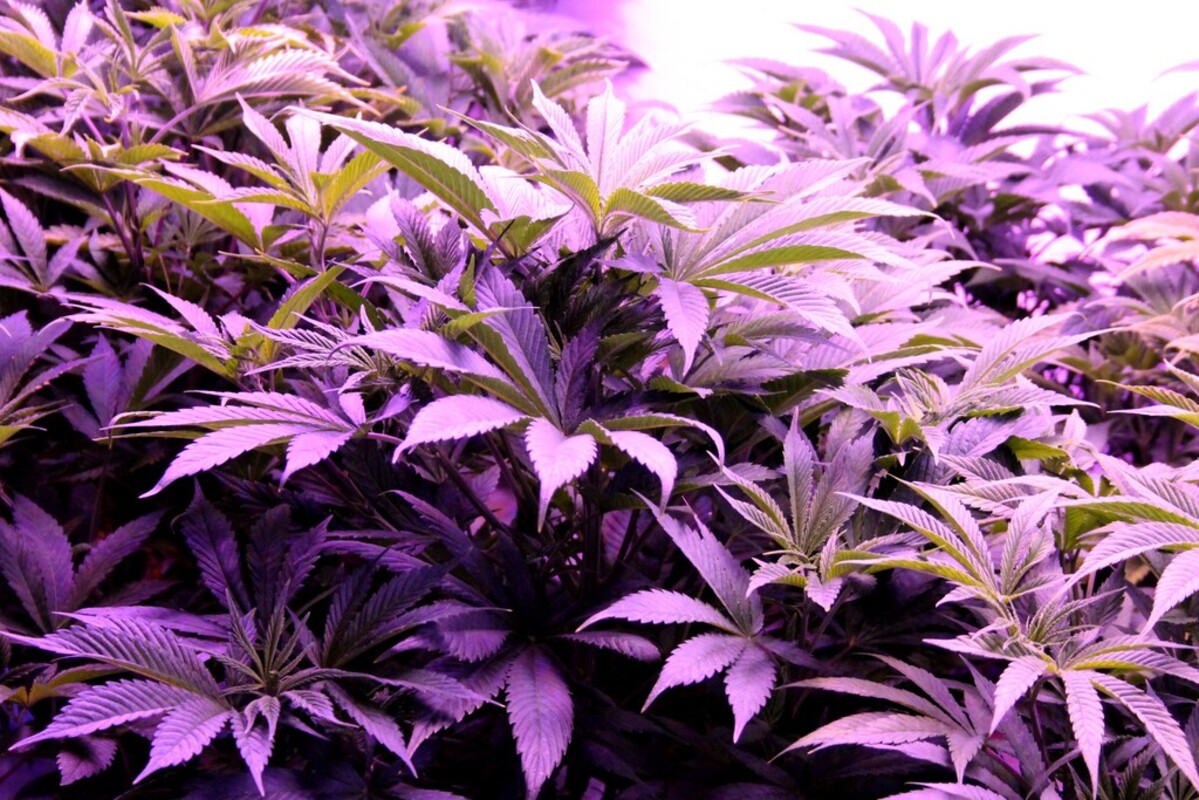
Recreational cannabis sales have transformed into a nearly half-billion-dollar industry in Maine since legalization five years ago. As the market expands, some municipalities are taking measures to regulate the growing number of cannabis businesses. Recently, Presque Isle implemented a moratorium on new marijuana business licenses for up to 12 months to reconsider its regulations. This decision follows similar actions taken by Turner, which adopted a moratorium in November due to safety concerns linked to a local cultivation facility, and Livermore Falls, where officials are deliberating on potential restrictions.
Maine’s cannabis marketplace is witnessing an unprecedented expansion, with storefronts appearing in both urban and rural areas. According to data compiled by the Maine Office of Cannabis Policy, the state has nearly 1,800 licensed cannabis businesses, which include cultivation, manufacturing, and retail operations under medical and adult use programs. Among these, approximately 1,344 are classified as caregivers, who grow or sell cannabis to qualified patients.
Leading Towns in Cannabis Businesses
The city of Portland tops the list with a total of 71 cannabis businesses, followed by major population centers such as Auburn, Bangor, and Sanford. Interestingly, Berwick, a small town with fewer than 8,000 residents, hosts 32 cannabis businesses, a notable concentration for its size. Berwick features six retail locations, including adult use and caregiver stores, along with 26 cultivation or manufacturing facilities. This high number can be attributed to its proximity to New Hampshire, where recreational marijuana remains illegal.
When examining cannabis businesses per capita, Moro Plantation, a community of just 44 residents, leads with three caregiver cultivation facilities. To create a clearer picture, the analysis focuses on towns with a minimum of 1,500 and 5,000 residents. Among smaller towns, Parsonsfield stands out with one cannabis business for every 89 residents, totaling 20 operations, including 19 caregiver cultivation licenses and one adult use store. Livermore Falls, with its 12 businesses in a population of 3,000, also ranks highly in this category.
In communities with over 5,000 residents, Berwick and Turner emerge as leaders in cannabis licensing, followed closely by Lebanon and New Gloucester. Presque Isle, despite its recent moratorium, ranks 30th in total number of cannabis businesses in the state, positioned just below Portland and above Bangor, Westbrook, and Brunswick.
The rapid growth of cannabis businesses in Maine reflects changing attitudes towards marijuana and the economic opportunities it presents. As towns reconsider their regulations, local officials aim to strike a balance between fostering growth and ensuring community safety. The ongoing discussions in Presque Isle, Turner, and Livermore Falls illustrate the complexities of managing a burgeoning industry while addressing public concerns.
As the cannabis landscape continues to evolve, residents can stay informed about the number of businesses in their towns by exploring available resources. The state’s approach to regulation and community safety will play a critical role in shaping Maine’s cannabis future.