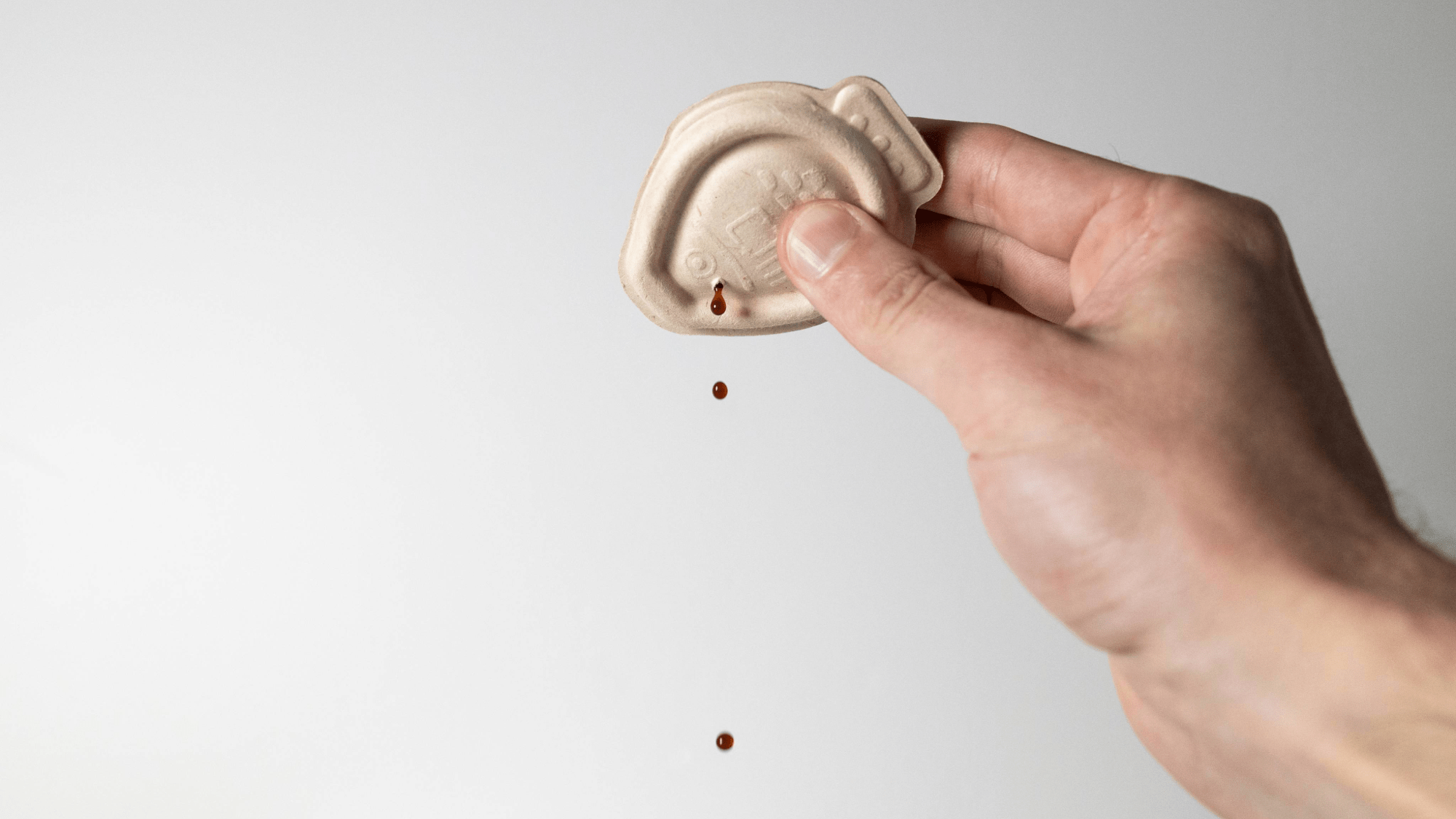
A newly designed soy sauce container called Holy Carp! aims to replace the iconic plastic fish-shaped packets that have long plagued the environment. Developed by Heliograf in collaboration with Australian design studio Vert Design, this innovative product is made entirely from biodegradable plant fibers and is expected to break down completely within four to six weeks.
The traditional plastic soy sauce packets, often referred to as “shoyu-tai,” are popular among sushi lovers but pose significant environmental risks. Once discarded, these small containers frequently end up in landfills or the ocean, where they can break down into microplastics that enter the food chain. According to estimates from Heliograf, around 8 to 12 billion of these packets have been thrown away since their introduction in the 1950s.
Legislation and Design Innovations
In response to the environmental challenges posed by plastic waste, South Australia passed legislation in 2025 banning the use of these plastic fish-shaped soy sauce packets. Government officials highlighted the difficulty of recycling such small items, which often evade sorting machines. The new biodegradable alternative aims to retain the nostalgic charm of the fish while prioritizing sustainability.
The Holy Carp! container holds 12 milliliters of liquid and features a dropper mechanism located near its head, allowing diners to easily dispense soy sauce. This design is informed by research indicating that customers typically use more than one packet per meal. The container is made primarily from bagasse pulp, a byproduct of sugarcane that has been effective in biodegradable packaging applications.
While the new container offers a promising alternative to plastic, it does come with limitations. Due to the need for rapid decomposition, the soy sauce can only be kept in the container for a maximum of 48 hours. As a result, restaurants will need to fill the containers individually, which may lead to fresher sauce for customers but also requires additional effort from staff.
A Historical Perspective
The original plastic fish-shaped soy sauce container was invented in 1954 by Teruo Watanabe, founder of Japanese houseware company Asahi Sogyo. Initially crafted from ceramic and glass, the design transitioned to polyethylene as manufacturers sought mass production methods. This shift towards single-use plastics has contributed to ongoing environmental issues, similar to those seen with other disposable items like water bottles and grocery bags.
Despite increasing recycling efforts, a 2023 report from the United Nations revealed that nearly 46 percent of all plastic waste ends up in landfills, with an additional 22 percent mismanaged and becoming litter. The introduction of Holy Carp! represents an elegant yet imperfect solution to the mounting plastic waste crisis. While sustainable alternatives often struggle to match the convenience of plastics, the need for such innovation is critical, especially as microplastics continue to infiltrate marine ecosystems.
The partnership between Heliograf and Vert Design signifies a growing recognition of the importance of sustainability in product design. As the demand for eco-friendly options increases, the hope is that innovations like Holy Carp! will pave the way for a more responsible approach to packaging, benefiting both the environment and consumers.