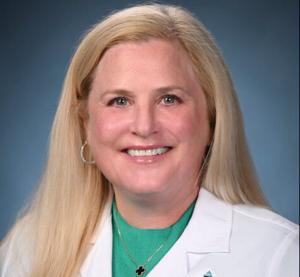
OpenAI has unveiled ChatGPT Health, a specialized service within its ChatGPT platform aimed at enhancing health and wellness support. This new feature responds to the growing use of AI by patients seeking health information, with an estimated 40 million users asking health-related questions daily. To explore the implications of this innovation, Northwestern Now interviewed Dr. David Liebovitz, co-director of the Institute for Artificial Intelligence in Medicine’s Center for Medical Education in Data Science and Digital Health at Northwestern University Feinberg School of Medicine.
Dr. Liebovitz, who has extensive experience in clinical informatics and has implemented AI in medical settings, emphasizes that the focus should not be on whether patients will use AI for health information, but rather how to ensure they do so effectively and safely. He advocates for establishing guardrails and setting realistic expectations regarding AI’s capabilities.
ChatGPT Health offers significant opportunities for patients. The 21st Century Cures Act mandates that healthcare systems provide patients with complete access to their medical records through standardized application programming interfaces (APIs). AI tools like ChatGPT Health can assist patients in interpreting this data. For minimal additional cost, patients can gain insights into lab results, formulate questions for healthcare appointments, and identify potential gaps in their care.
Dr. Liebovitz illustrates a vision where patients download their medical records via mandated APIs, process the information using an AI model on their personal devices, and receive tailored insights without involving third-party servers. This scenario represents a form of health AI democratization—eliminating subscription fees and privacy concerns associated with corporate policies.
Moreover, the advent of AI assistants capable of analyzing comprehensive patient histories marks a notable advancement in healthcare. Instead of relying on potentially misleading Google searches, these AI tools synthesize information contextually, addressing issues that have persisted for decades. A report from the Institute of Medicine, titled “To Err is Human: Building a Safer Health System,” highlighted preventable deaths stemming from diagnostic errors and care gaps. Now, AI’s role in flagging potential concerns could significantly enhance patient safety.
Despite the promising developments, Dr. Liebovitz raises important concerns regarding patient privacy. Data shared with ChatGPT is not protected under the Health Insurance Portability and Accountability Act (HIPAA), which means there is no legal privilege akin to that of conversations with healthcare providers. This lack of protection could expose sensitive health information to legal scrutiny.
To address these privacy issues, Dr. Liebovitz advocates for a model where AI operates locally on patients’ devices. Modern smartphones possess sufficient processing power to run sophisticated AI algorithms while keeping data entirely private. This approach eliminates the risks associated with cloud storage and corporate servers, allowing patients to maintain control over their health data.
The rapid advancement of on-device AI capabilities is evident, with companies like Apple developing solutions that validate the feasibility of local processing. Open-source models optimized for mobile technology are also improving, suggesting that within a few years, patients could have powerful health assistants operating solely on their smartphones.
Dr. Liebovitz’s research group is actively working on making this vision a reality for the public. The necessary elements are aligning: standardized access to health records, robust mobile hardware, and increasingly capable open-source AI models. The ultimate goal is to empower individuals with meaningful insights into their health data while ensuring complete privacy and control.
This initiative reflects a significant shift in how patients can engage with their health information, potentially transforming the landscape of healthcare and patient autonomy in the process. As AI continues to evolve, its integration into healthcare presents both opportunities and challenges that require careful consideration and proactive management.