New research presented at the American Society of Hematology meeting in Orlando, Florida, highlights a promising drug that has shown remarkable efficacy against a particularly aggressive form of leukemia. This breakthrough could offer new hope for patients battling this challenging disease.
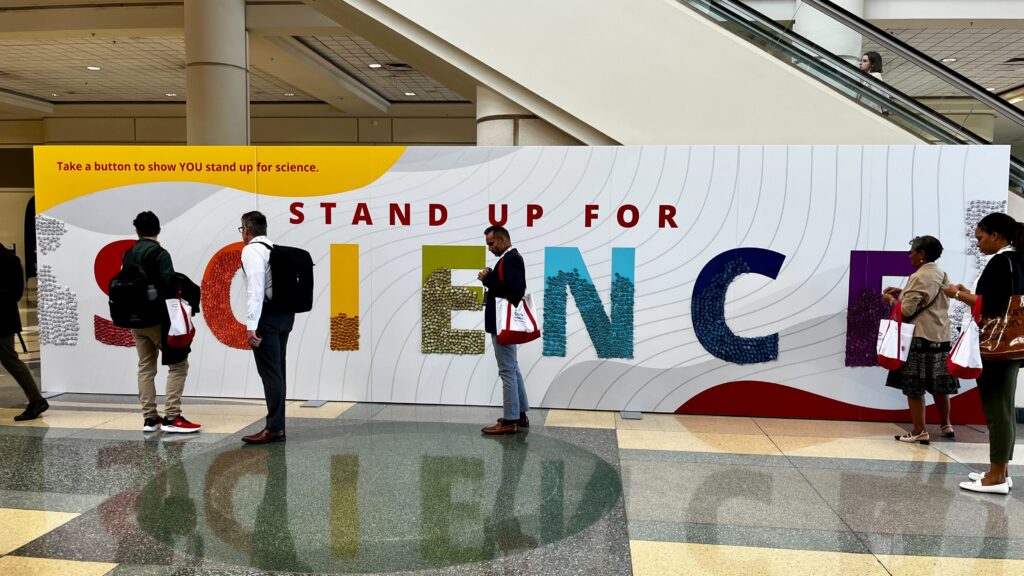
The findings were unveiled during the annual conference, which runs from December 9 to December 12, 2023. Notable presenters included Damian Garde, Katherine MacPhail, and Adam Feuerstein, who are covering the event for STAT. Their reports provide crucial insights into the latest advancements in hematology.
Preliminary results indicate that the new treatment significantly reduces leukemia cell counts in patients who have not responded to traditional therapies. The drug, which employs a novel mechanism of action, demonstrates the potential to alter the treatment landscape for leukemia, offering a viable alternative for those facing limited options.
Researchers have reported that in clinical trials, approximately 70% of participants experienced a marked reduction in disease symptoms within the first few weeks of treatment. These findings are particularly noteworthy given the aggressive nature of the leukemia subtype targeted by this drug.
As the conference progresses, further details about the drug’s mechanism and long-term outcomes are expected to be shared. Health professionals and researchers are eager to explore the implications of these results for future treatment protocols.
The significance of this development cannot be overstated. For many patients, aggressive leukemias have been notoriously difficult to treat, often leading to poor prognoses. The introduction of this drug represents a potential shift in therapeutic strategies, aiming to improve survival rates and quality of life for affected individuals.
As the discussions continue at the American Society of Hematology meeting, the medical community anticipates further data that could solidify this treatment’s place in standard care. Stakeholders from various sectors are closely monitoring these developments, which may pave the way for regulatory approvals and wider clinical use.
In summary, the exciting results presented in Orlando signify a new chapter in the fight against aggressive leukemia. The ongoing research could lead to transformative changes in how this challenging disease is managed, offering renewed hope to patients worldwide.