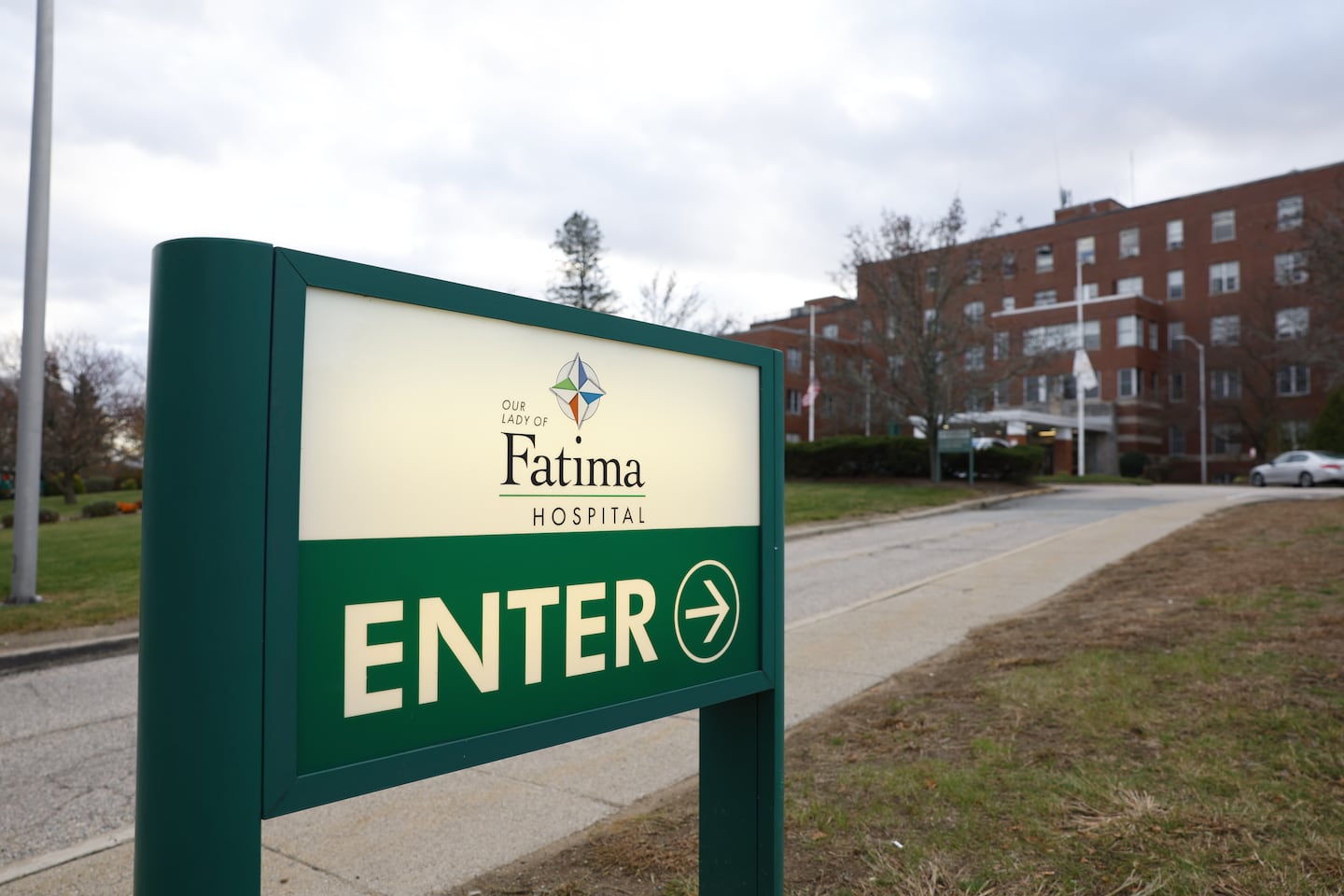
In response to the financial turmoil affecting hospitals in Rhode Island, state legislators are proposing significant measures to curb the influence of private equity in the health care sector. On February 10, the Rhode Island House and Senate approved an $18 million state loan guarantee to assist in the acquisition of two critical safety net hospitals—Roger Williams Medical Center in Providence and Our Lady of Fatima Hospital in North Providence. Both facilities are currently owned by an out-of-state private equity firm that has declared bankruptcy.
Senator Linda L. Ujifusa, a Democrat from Portsmouth, emphasized the urgent need for legislative action, stating that the risks posed by private equity extend beyond these two hospitals. “We have important hospitals that are at risk of following the same path as Fatima and Roger Williams,” Ujifusa remarked. She highlighted that other facilities, including South County Hospital, are also grappling with financial challenges. The goal of the proposed legislation is to shift from a reactive crisis management approach to proactive prevention.
Rhode Island’s legislative initiative comes on the heels of a new law signed by Massachusetts Governor Maura Healey in January, designed to monitor private equity’s role in the hospital industry. This law aims to tackle the profit-driven practices that critics argue contributed to the financial collapse of Steward Health Care and resulted in hospital closures and patient deaths.
While Ujifusa noted that Rhode Island’s proposals would not be as extensive as Massachusetts’s, they would establish a system for greater transparency and early warning. The bills mandate that health care entities disclose certain financial and organizational information to the state Attorney General and the Department of Health before any transactions occur. This review process aims to ensure that any potential acquisition does not adversely affect competition, increase costs, or compromise access and quality of care.
“The legislation strengthens transparency, oversight, and accountability for private corporate actors,” said Representative Kathleen A. Fogarty, a Democrat from South Kingstown. She underscored that current arrangements allow private equity firms to extract profits from Rhode Island’s health care providers with minimal public scrutiny, often to the detriment of patients and health care workers.
Ujifusa further pointed out that the crisis facing Our Lady of Fatima and Roger Williams is not an isolated incident but part of a broader national issue. “Private equity has harmed hospitals across the country, including next door in Massachusetts,” she stated. Ujifusa firmly believes that health care should not be treated merely as a business, as lives are at stake.
The proposed bills are informed by model legislation from the National Academy for State Health Policy and analyses from the Center for Advancing Health Policy through Research at Brown University School of Public Health. Ujifusa highlighted the importance of these measures for all Rhode Islanders, noting the significant impact that any hospital closure can have in a small state. For instance, the closure of Memorial Hospital in Pawtucket led to increased patient volumes at nearby hospitals, highlighting the interconnectedness of health care services.
With federal regulations on private equity in health care being virtually non-existent, Ujifusa and Fogarty have also introduced the Rhode Island Ban on the Corporate Practice of Medicine Act. This legislation aims to prevent non-health care entities from owning or managing medical practices, which can lead to conflicts of interest in clinical decision-making.
Such corporate structures can dilute clinical independence and obscure accountability for patient outcomes, the legislators argue. “When profit comes before patients, people get hurt and lives are put at risk,” Ujifusa stated, emphasizing the need for legislative action to protect the integrity of health care in Rhode Island.
As the situation unfolds, the proposed bills represent a critical step towards safeguarding the state’s health care system from the vulnerabilities associated with private equity ownership.