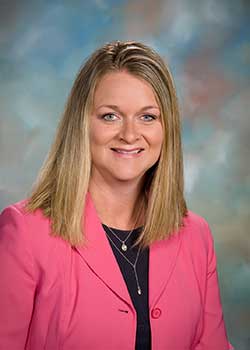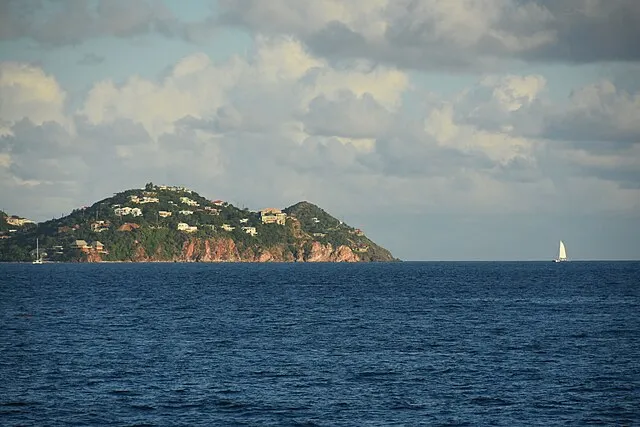
Mark Blumenkranz, chair of the Department of Ophthalmology at Stanford University, received an invitation from the convicted sex offender and financier Jeffrey Epstein to visit his private island in February 2013. This information comes from recently released documents by the Department of Justice that have drawn attention to connections between Stanford, Silicon Valley, and Epstein.
The invitation was linked to medical treatment that Boris Nikolić, a Croatian physician and biotech venture capitalist, had been receiving from Blumenkranz for eye issues. Nikolić, who eventually became Epstein’s estate executor, facilitated the introduction between the two men via email on February 13, 2013. The email read, “Mark meet Jeffrey, Jeffrey meet Mark!”
At the time, Nikolić was discussing his own struggles with mood related to eye problems, suggesting to Epstein that Blumenkranz could provide further assistance. Although the correspondence hinted at a potential visit to Epstein’s island, known as Little Saint James, it did not result in an actual meeting. Five years earlier, in 2008, Epstein had been convicted for soliciting underage sex.
While Blumenkranz was in the vicinity of St. John, just a short distance from Epstein’s island, Nikolić expressed surprise at their geographical coincidence, noting that Blumenkranz had planned to consult him at Stanford soon after. Nikolić mentioned Blumenkranz’s limited internet access and suggested the ophthalmologist could review his eye images on the island.
Epstein responded enthusiastically, extending an invitation to Blumenkranz to visit, stating, “Mark, you are a very welcome guest to the island. I have set aside a mac for your use.” He also included Brice Gordon, who managed the island, in the email, indicating that Gordon would coordinate the visit and ensure accommodations for Blumenkranz and his wife.
Despite Epstein’s invitation, the visit did not occur. Blumenkranz resolved the logistical challenges by obtaining high-speed internet access on St. John and later reviewed the eye images with another ophthalmologist, Michael Trese.
The correspondence resurfaced in 2018 when Nikolić again connected Blumenkranz with Epstein, who appeared to seek expertise for treating an individual named Michael L. Link, described as the “son of a friend.” This exchange highlights the ongoing links between various prominent figures and Epstein, who had a complex web of connections in elite circles.
In a will drafted just two days before his death, Epstein named Nikolić as his “successor executor.” Nikolić previously served as a science and technology advisor to Bill Gates, another individual with associations to Epstein.
Blumenkranz, a significant figure in ophthalmology, has not publicly commented on the matter. The Stanford Daily continues to investigate the implications of these connections, inviting confidential tips from the public. The revelations surrounding Epstein’s dealings with figures in academia and medicine raise critical questions about the influence of his network.