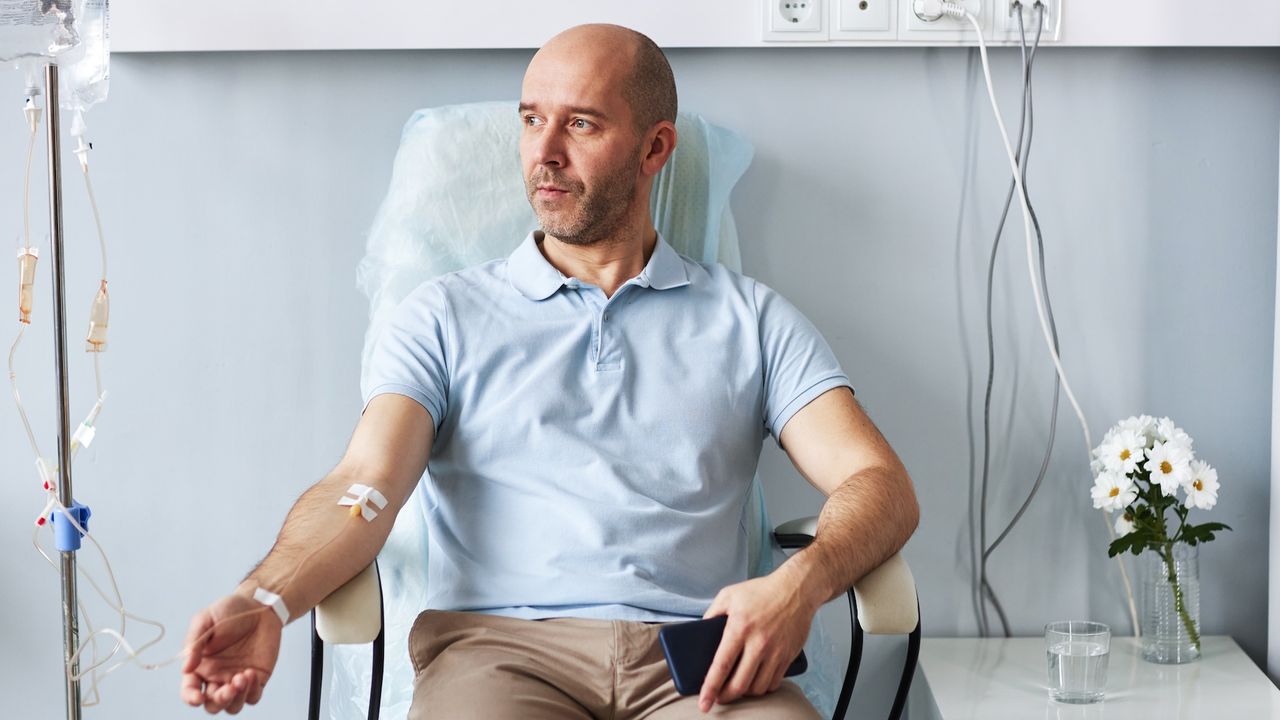
New research indicates that the timing of immunochemotherapy may play a critical role in extending survival for patients with advanced small cell lung cancer (ES-SCLC). A study published on December 8, 2023, in the journal Cancer, suggests that administering this treatment earlier in the day can significantly improve outcomes.
Previous studies have indicated that the body’s internal clock, known as the circadian rhythm, can influence the effectiveness of immune checkpoint inhibitors. These drugs enhance the immune system’s ability to identify and destroy cancer cells by preventing tumors from inhibiting immune responses. The current research builds on these insights and highlights the importance of treatment timing, particularly for patients with ES-SCLC, a type of cancer known for its aggressive nature and poor prognosis.
Key Findings on Treatment Timing
Researchers from the Affiliated Cancer Hospital of Xiangya School of Medicine at Central South University in China analyzed data from nearly 400 patients diagnosed with ES-SCLC. The study spanned from May 2019 to October 2023, focusing on patients who received standard initial immunotherapy combined with chemotherapy. Each patient’s treatment time was assessed based on their first four therapy cycles.
The findings revealed that patients who received treatment before 3 p.m. had significantly longer survival rates compared to those treated later in the day. Specifically, those receiving treatment prior to this cutoff lived nearly twice as long without cancer progression and displayed improved overall survival over the next five years. This correlation persisted even after adjusting for other potential influencing factors, establishing early treatment timing as a strong, independent predictor of better outcomes.
Dr. Francis Lévi, a medical oncologist and founder of the Chronotherapy Group at Warwick University, emphasized the importance of these findings. He stated, “Early time of day of immune checkpoint inhibitors, as single agents or combined with chemotherapy, significantly improves treatment efficacy compared to later dosing times.”
Understanding the Mechanism
The study aligns with laboratory research suggesting that immune cells, particularly killer T cells, migrate into tumors more effectively in the morning. Dr. Chi Van Dang, a professor of cancer medicine at Johns Hopkins University, noted that synchronizing immunotherapy with this natural migration may enhance its effectiveness.
Experts not directly involved in the study expressed admiration for the substantial impact of treatment timing on patient survival. In a joint statement, oncologists Dr. Pasquale Innominato and Dr. Seline Ismail-Sutton, along with circadian biologist Robert Dallmann, described the results as “a very meaningful difference” that could lead to significant advancements in patient care without the need for complex interventions.
Despite the promising results, the study is not without limitations. The sample primarily comprised male patients, and the pronounced timing effects did not extend to women, likely due to their underrepresentation in the study. Researchers acknowledged the need for further investigation in larger cohorts to validate these findings.
The study also raised questions about the optimal timing for treatment. Dr. Lévi cautioned that determining a precise cutoff time remains uncertain and could fall between 11:30 a.m. and 3:00 p.m.. The retrospective nature of the study necessitates randomized clinical trials to provide more robust evidence for the benefits of early treatment.
With potential logistical challenges in implementing a strict treatment schedule, researchers are now exploring personalized “chronotherapy.” This approach aims to align treatment with individual biological rhythms, accommodating patients categorized as “morning larks” or “night owls.” Optimizing treatment timing in this manner could enhance therapeutic efficacy and streamline patient management.
Future studies are underway to develop effective methods for assessing chronotype, which could foster tailored therapeutic strategies for cancer patients. As research evolves, the emphasis on timing in cancer treatment may pave the way for significant improvements in survival outcomes.