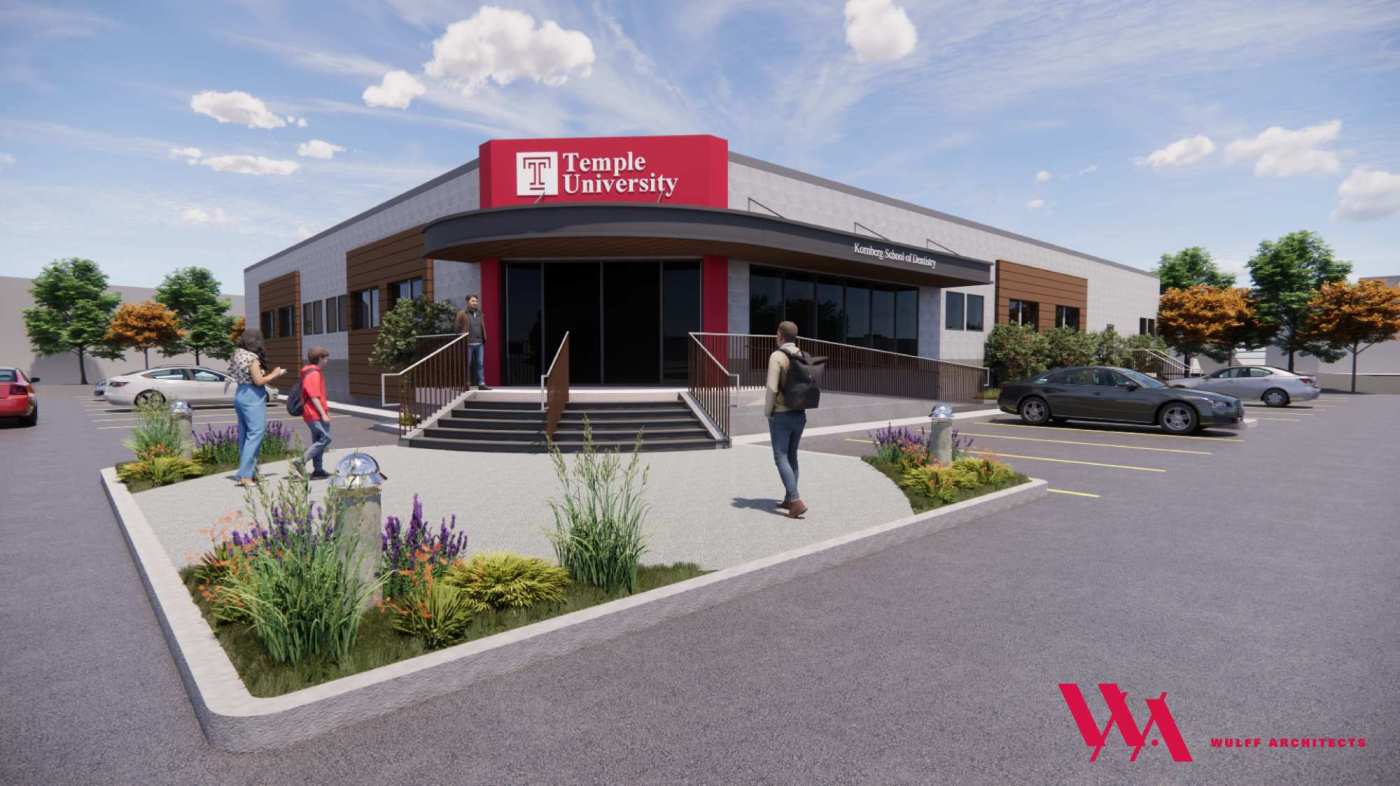
A dental school and clinic planned by Temple University in Tamaqua has received a significant boost with $2 million in federal funding. This financial support is essential for the establishment of the Temple University Tamaqua Dental Clinic and Education Center, which is set to open in 2026. The facility will be located in the former Rite Aid building on Center Street in downtown Tamaqua and aims to welcome its first cohort of dental students by the fall semester.
The center is designed to host 20 dental students at a time, who will complete their clinical training while providing dental care to underserved communities in Schuylkill County and surrounding areas. Temple officials highlight this initiative as the first rural dental education center and clinic in Pennsylvania, marking a historic step towards addressing the growing shortage of dental professionals in rural regions.
Many residents in Tamaqua currently struggle to find dentists who are accepting new patients, often facing long drives or extended waiting periods for basic dental services. This pressing need prompted the Tamaqua Area Community Partnership to collaborate with Temple University on the project. According to Micah Gursky, executive director of the nonprofit partnership, the successful application for federal funding was a pivotal moment in making this project a reality.
Dr. Amid Ismail, dean of Temple’s Kornberg School of Dentistry, emphasized the project’s goal of providing high-quality dental education and comprehensive care to communities in need. He stated, “The new education center and clinic will test a new model of addressing access to dental care in rural Pennsylvania, where students live and study in a rural community for two years.”
Students will reside in free, fully-furnished apartments in Tamaqua, which will enhance their understanding of rural healthcare challenges and potentially encourage them to practice in the area after graduation. The clinic will feature 24 treatment chairs, primarily serving Medicaid-eligible patients and low-income Pennsylvanians, specifically those earning less than 200 percent of the federal poverty line without commercial insurance.
In its inaugural year, the center will employ at least 10 students, four faculty-dentists, and several part-time dental specialists, expanding to host 20 students in subsequent years. The facility will operate during evenings and weekends, equipped with advanced technologies including radiography and digital scanning units. Services will encompass a range of dental procedures such as oral surgery, root canal therapy, and orthodontics.
Dr. Ismail noted the importance of this initiative in fostering job creation in rural areas, stating, “It is a model that acknowledges rural Pennsylvania’s reality rather than papering over it with ineffective fixes.” He expressed hope that the clinic will not only provide immediate relief for dental services but also cultivate a new generation of dental professionals who are committed to serving their local communities.
The federal funding was included in the agriculture appropriations legislation signed into law in mid-November. Gursky acknowledged the support from federal and state legislators representing Schuylkill County, particularly Congressman Dan Meuser, who played a crucial role in securing the funding, alongside State Senator Dave Argall and State Representative Jamie Barton.
Both Argall and Barton praised the establishment of the dental school as a significant advancement for rural healthcare in northeastern Pennsylvania. Barton remarked, “Pennsylvania is in desperate need of dentists and dental hygienists in our rural counties,” while Argall highlighted the challenges faced by families in accessing dental care, stating, “We learned that if your dentist retires, it can take months to find a new one.”
Data from the Pennsylvania Coalition for Oral Health reveals a stark disparity in dental care availability: for every 15 dentists in urban areas, there is just one in rural settings. The lack of dental schools in rural regions contributes to this issue, as fewer students from these areas attend dental programs in Philadelphia and Pittsburgh.
According to the coalition’s review, Pennsylvania requires an additional 2,000 dentists, 7,000 dental hygienists, and 10,000 expanded function dental assistants to ensure that every resident has access to regular dental care. The absence of routine checkups often leads to dental emergencies that result in visits to emergency rooms, highlighting the urgent need for this new facility.
The Tamaqua dental school is seen as a transformative opportunity for the community, transitioning it from a place of medical need to a proactive contributor in meeting public health demands. Gursky expressed optimism about the project, stating, “It’s a different mindset. I think this changes how we think of ourselves. It’s a very innovative, exciting thing for us to be part of.”