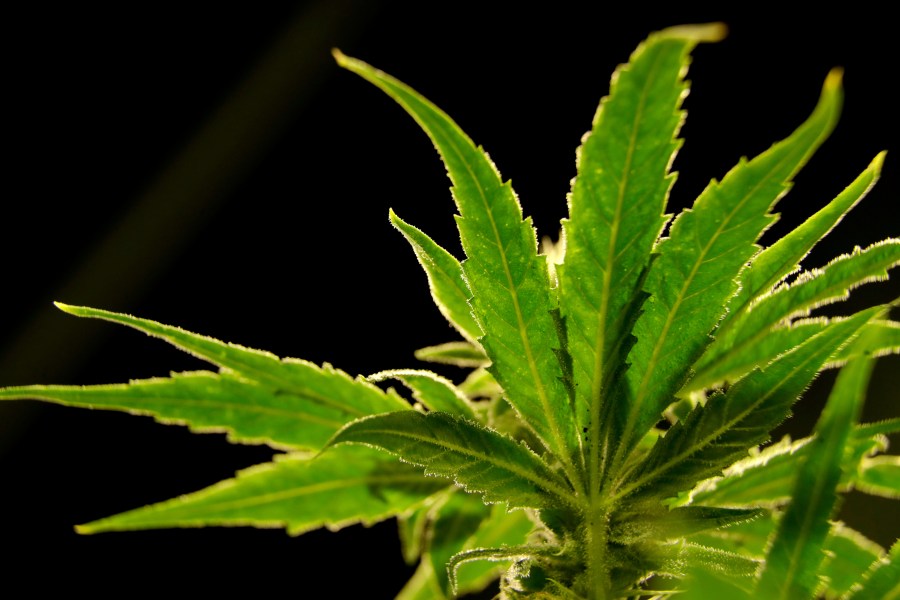
The landscape of medicinal marijuana in Texas is transforming as companies adapt to an anticipated surge in demand following recent legislative changes. The Compassionate Use Program (TCUP), which allows qualified patients access to medical cannabis, is expected to see a significant increase in participation due to adjustments made earlier this year.
Recent amendments to the TCUP have broadened eligibility criteria, enabling a larger segment of the population to qualify for medical cannabis. This shift has prompted the few licensed businesses in Texas to invest in expansion and innovation. Currently, only a limited number of companies are authorized to grow, manufacture, and distribute medicinal marijuana in the state, but they are now poised to scale operations to better serve an increasing patient base.
Legislative Changes Drive Growth
The Texas legislature’s recent actions are crucial in shaping the future of the medical cannabis industry. By expanding the range of qualifying conditions for patients, lawmakers have opened the door for more individuals to access treatments. As a result, companies previously constrained by limited patient pools are now gearing up to meet higher demand.
According to the Texas Department of State Health Services, there has already been a noticeable uptick in applications for medical cannabis use since the amendments took effect. This trend suggests that the market for medicinal marijuana in Texas will not only grow but also diversify, as more patients seek alternative treatments for various medical conditions.
Industry Response and Future Outlook
In response to the legislative changes, several medical cannabis companies in Texas have announced plans for expansion. This includes increasing cultivation capacities, enhancing manufacturing processes, and broadening product lines to offer a wider array of medicinal options. With the demand expected to rise, companies are also looking to improve distribution networks to ensure timely access for patients.
Financial analysts have noted that the growing acceptance of medical cannabis is likely to translate into substantial revenue increases for these businesses. Some estimates suggest that the Texas medical cannabis market could reach a value of $1 billion within the next few years, positioning the state as a significant player in the national market.
As the industry evolves, it is essential for stakeholders to prioritize patient education and ensure that medical professionals are well-informed about the benefits and uses of cannabis. This focus will not only improve patient outcomes but also foster a more robust and responsible medical cannabis market in Texas.
The ongoing developments in the Texas medical cannabis sector illustrate a broader trend in which legislative environments are shaping industry dynamics. As more states consider similar reforms, the Texas experience could serve as a valuable case study for both policymakers and businesses navigating the complexities of the medical cannabis landscape.