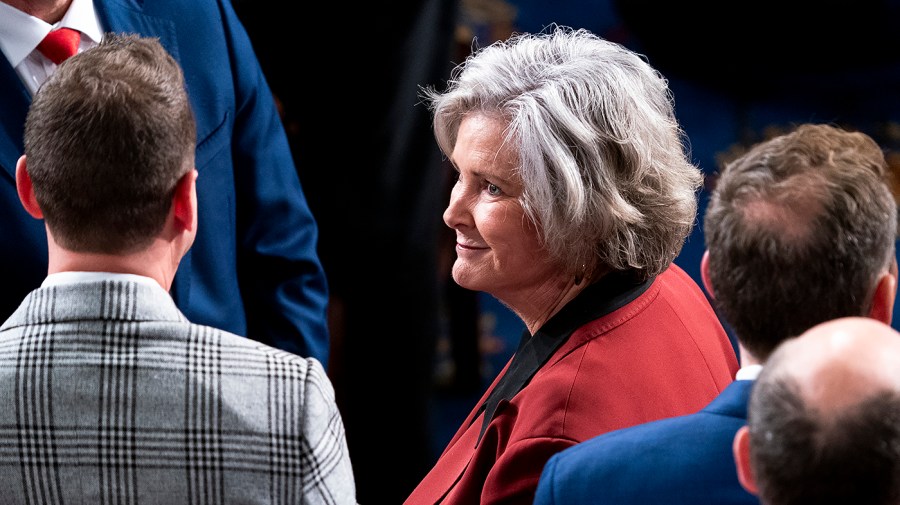
President Donald Trump confirmed on March 25, 2024, that Susie Wiles, the White House chief of staff, has been diagnosed with early stage breast cancer. Trump shared the news through a post on TruthSocial, emphasizing Wiles’ decision to start treatment immediately. He expressed confidence in her medical team, stating, “She has a fantastic medical team, and her prognosis is excellent.”
Wiles, who has been a key figure in Trump’s administration, will begin her treatment without delay. The president’s announcement highlights not only the seriousness of her condition but also the robust support system surrounding her. While specific details regarding her treatment plan have not been disclosed, the positive outlook is encouraging for both Wiles and her colleagues.
Support from the Administration
The news of Wiles’ diagnosis comes at a time when the White House is navigating various challenges. Trump reassured the public that Wiles would continue to receive support from her colleagues during her treatment. He noted that her leadership has been instrumental in the administration’s efforts, and her health remains a priority.
Wiles has a long-standing career in politics, previously serving in prominent roles within the Republican Party and playing a crucial part in Trump’s election campaigns. Her experience and dedication have made her a respected figure in political circles.
As Wiles embarks on this health journey, the administration is expected to maintain its operations smoothly. Trump’s statement not only serves to inform the public but also aims to rally support for Wiles during this challenging time.
Community and Medical Resources
Breast cancer is one of the most common forms of cancer among women globally. Early detection and treatment significantly increase the chances of successful outcomes. According to the World Health Organization, early stage diagnosis allows for a variety of treatment options, which can be tailored to the patient’s specific needs.
Wiles’ situation underscores the importance of regular health screenings and the availability of medical resources. The support from her medical team, coupled with the backing from the White House, illustrates the collaborative effort needed to face health challenges.
As the story unfolds, many will be following Wiles’ progress closely, hoping for a swift recovery. The administration’s approach to her health and leadership during this period could set an example for how political figures manage personal health issues while remaining dedicated to their public responsibilities.
In the coming weeks, updates on Wiles’ treatment and recovery will likely be of great interest to both the public and her colleagues. The administration remains optimistic about her prognosis and the support she will receive throughout this process.