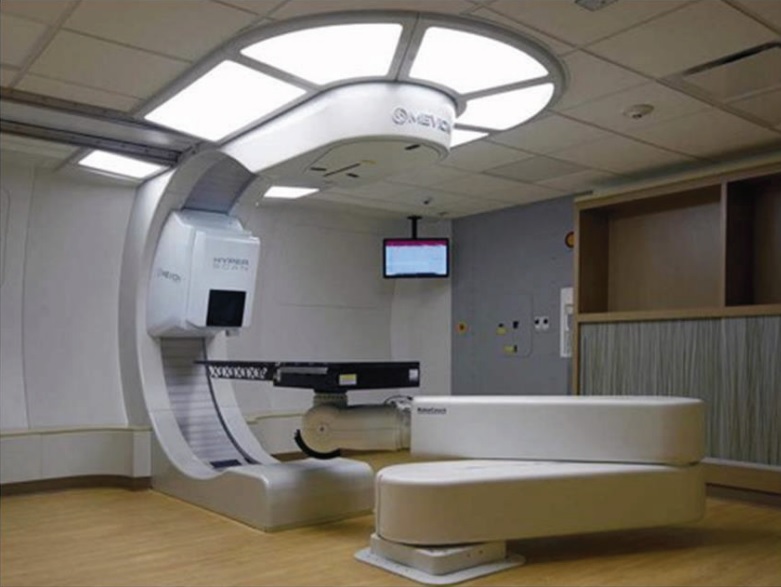
A new chapter in cancer treatment is set to begin in central Massachusetts, as the state Public Health Council has unanimously approved UMass Memorial Health Care’s plan to introduce proton therapy at Marlborough Hospital. This significant expansion, costing nearly $54 million, aims to make this advanced treatment more accessible to patients in the region.
Proton therapy, which is currently available only in Boston, offers a highly precise method for targeting tumors while minimizing damage to surrounding healthy tissue. This venture not only enhances local health care access but also promises improved clinical outcomes and quality of life for patients. The therapy is expected to be operational by February 2028.
According to Teryl Smith, director of the Department of Public Health’s Bureau of Health Care Safety and Quality, Massachusetts General Hospital currently operates the only two proton beam therapy units in New England. Between 2021 and 2023, these units treated approximately 640 patients annually. The need for cancer treatment options closer to home has become increasingly critical, particularly for patients in central and western Massachusetts who face substantial travel burdens to receive daily treatments.
Senator Jamie Eldridge, who represents Marlborough, highlighted the challenges patients encounter when traveling to Boston for therapy. He stated, “Residents in central and western Massachusetts travel far from home to receive daily proton therapy treatment, which presents significant challenges, including hotel expenses, heavy traffic, and parking limitations.” Eldridge emphasized that these barriers disproportionately affect those with inflexible jobs and elderly patients who may lack transportation.
UMass Memorial’s application to the Department of Public Health describes proton therapy as a “highly effective and proven cancer treatment” that enhances the precision of radiation delivery. This advancement has made the treatment more financially viable for health care institutions, which historically found it cost prohibitive. The therapy can reduce side effects associated with traditional radiation treatments, such as fatigue and gastrointestinal issues, and can lead to quicker recovery times.
Proton therapy is versatile and can be used to treat various cancers, including head and neck, esophageal, and pediatric cancers. Dr. David McManus, chair of the Department of Medicine at UMass Chan Medical School, noted that research shows proton therapy often proves more cost-effective than conventional radiation treatment, particularly when it results in reduced toxicity for patients. This is particularly vital for UMass Memorial Health, which serves a high percentage of Medicare and Medicaid patients who may face chronic health issues.
By identifying specific cases where proton therapy is clinically appropriate, UMass Memorial aims to minimize costs related to hospital readmissions due to complications from radiation therapy. Dr. McManus remarked on the treatment’s precision, stating, “Due to its precise nature, proton therapy is also incredibly effective and safer for treating cancer in children, whose long-term growth and development may be disproportionately impacted by unintended and excessive cell damage from conventional radiation therapy.”
The approval also highlights the pressing need for expanded cancer care in Worcester County, which has the third-highest cancer incidence rate in Massachusetts, with 457 cases per 100,000 individuals from 2017 to 2021. UMass Memorial anticipates referrals for proton therapy from neighboring Franklin, Hampshire, Berkshire, and Hampden counties.
Representative Danielle Gregoire of Marlborough expressed optimism about the project, stating, “For too long, patients in central Massachusetts and beyond have had to sacrifice to get the treatment they need. This is another step in the right direction to allowing for and providing state-of-the-art treatment to people here in MetroWest.”
As UMass Memorial prepares to implement this innovative cancer treatment, it stands to significantly enhance the quality of care available to local patients, reducing both the financial and logistical burdens associated with traveling for essential medical services.