The term “gamey” often evokes confusion and debate among consumers, with its meaning varying widely depending on context. Originally associated with wild, hunted animals, the label now encompasses a range of flavors and textures that many people find off-putting or intriguing. Understanding what contributes to the gamey flavor in meat can help both enthusiasts and skeptics appreciate the complexity behind it.
Defining Gamey: A Complex Flavor Profile
At its core, gamey refers to meat that exhibits strong, distinctive characteristics that differ from conventionally farmed options like beef, pork, and poultry. According to Mohammed Gagaoua, a leading meat scientist at the French National Institute for Agriculture, Food, and Environment, gamey is not a singular sensory attribute. Instead, it reflects a multifaceted evaluation shaped by consumer perceptions.
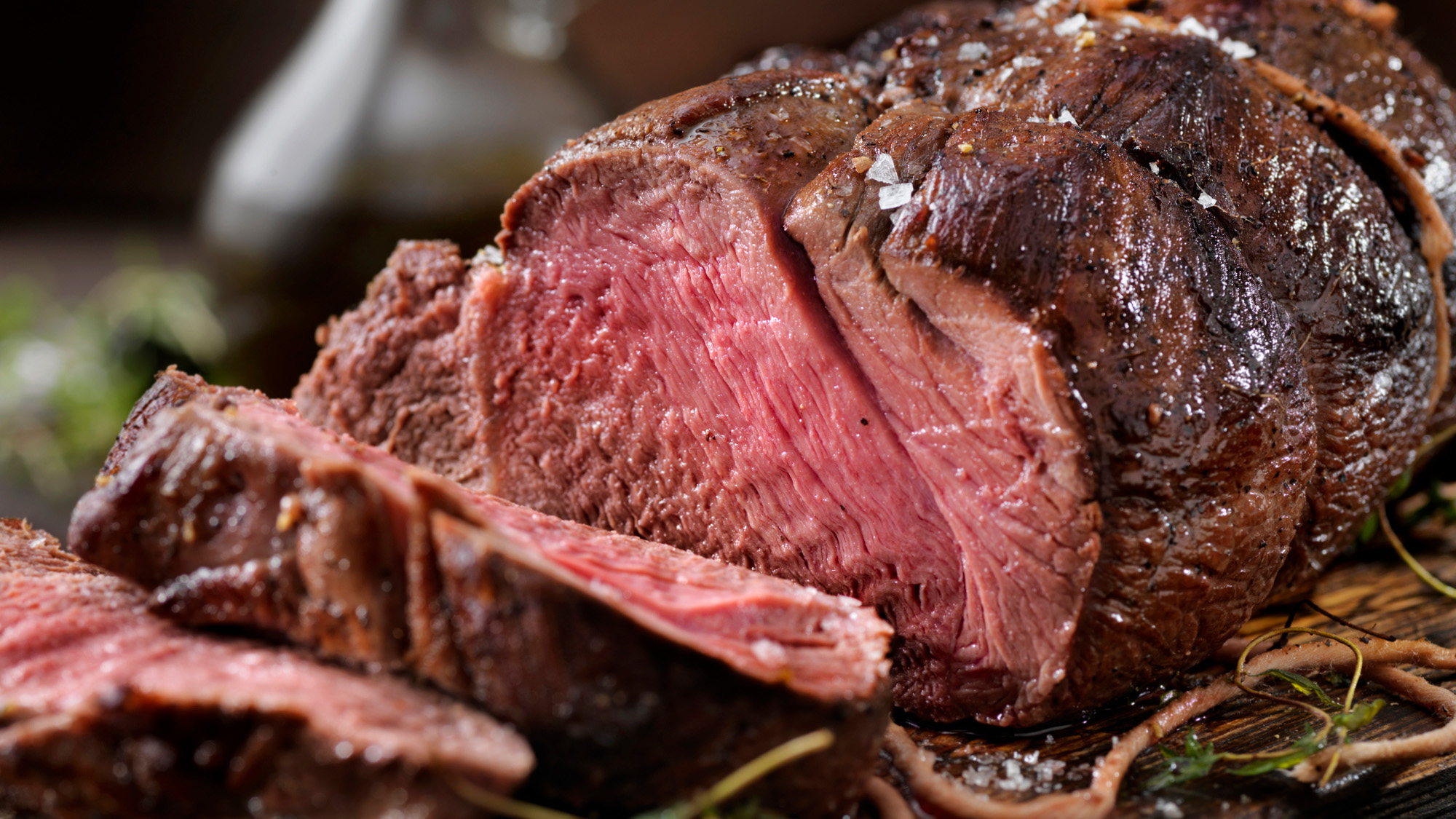
The flavor can range from earthy and nutty to sour and metallic, often stemming from the animal’s diet and activity levels. Chris Kerth, a professor of meat science at Texas A&M University, explains that the intensity of the meat’s red color is closely related to its gamey nature. The darker the meat, the more likely it is to possess a “somewhat metallic or bloody-serumy flavor.” This phenomenon is primarily due to the increased development of red muscle fibers in animals that engage in extensive physical activity.
The Role of Diet and Environment
The diet of an animal significantly influences its meat’s flavor. Animals raised on grain diets, such as corn, typically produce tender, marbled cuts, but these tend to lack robust flavor. In contrast, wild animals or those allowed to forage develop a more diverse fatty acid profile, leading to meat that can have flavors described as tallowy or grassy.
Gagaoua adds that aromatic compounds from the animals’ diets often make their way into the meat, imparting unique flavors that reflect what the animal consumed throughout its life. For example, pigs, which have simpler digestive systems, can produce markedly flavorful pork when fed specific herbs or vegetables.
Factors such as stress and hormonal changes also contribute to meat flavor. Robert Ward, a food scientist at Utah State University, notes that stress hormones can create musky notes in male mammals, which many consumers find unappealing. Consequently, producers often castrate male animals and select breeds for optimal flavor before they reach maturity.
Understanding Consumer Preferences
Despite its varied definitions, the perception of gamey meat largely depends on personal preference. Some cultures, including certain communities in South Korea, may appreciate the tang associated with stress in certain meats, while others may recoil at the same flavors.
Gagaoua has observed a growing trend where consumers equate gamey flavors with notions of wilderness and ecological authenticity. For some, the term has become synonymous with lean, nutrient-rich cuts of meat. This shift in perception suggests that gamey meat may carry a “halo effect,” encouraging some to enjoy what they might have previously considered undesirable.
For those less inclined to embrace the gamey taste, options exist to minimize these flavors. Sticking to grain-fed meats and avoiding overcooking can prevent the emergence of gamey notes. Additionally, soaking dark cuts of meat in cold water for an hour before cooking can help diffuse myoglobin—an iron-containing protein responsible for the metallic flavor.
Ultimately, gamey meats present an opportunity to explore the intricate relationship between an animal’s upbringing and the flavors it imparts. Recognizing the factors that contribute to gameiness can lead to a deeper appreciation of the meat on our plates, allowing adventurous eaters to uncover new culinary possibilities while challenging conventional notions of flavor.