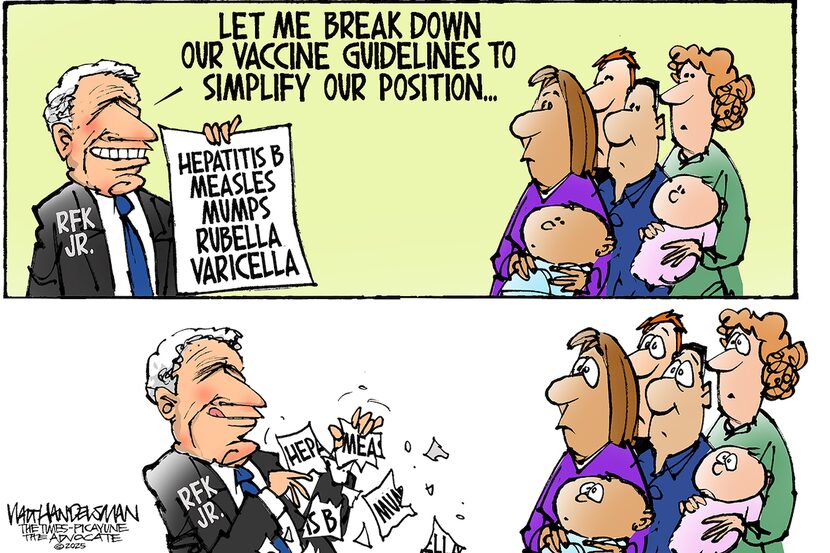
The recent update to global vaccine guidelines has ignited discussions regarding public health policies and individual responsibility. On January 1, 2024, the World Health Organization (WHO) and the Centers for Disease Control and Prevention (CDC) jointly announced revised recommendations aimed at enhancing vaccination rates across various populations. This change comes amid ongoing efforts to combat infectious diseases and improve overall health outcomes.
The updated guidelines emphasize the importance of vaccinations in preventing outbreaks of diseases such as measles and influenza. According to the WHO, the new recommendations are designed to address gaps in immunization coverage that have been exacerbated by the COVID-19 pandemic. Countries such as the United States, Canada, and Australia are encouraged to adopt these guidelines in order to bolster their public health initiatives.
Broader Implications of the New Guidelines
The implications of these updated guidelines extend beyond just health statistics. In many nations, the revision has sparked debates about personal choice versus collective responsibility. Critics argue that while the guidelines promote vaccination, they may inadvertently pressure individuals into making health decisions that they are not comfortable with.
In the United Kingdom, for instance, the National Health Service (NHS) has reported a rise in vaccine hesitancy, particularly among younger populations. This has raised concerns among health officials about the potential for future outbreaks. Dr. Sarah Johnson, a public health expert at the NHS, stated, “We must find a balance between encouraging vaccinations and respecting personal health choices.”
In addition, the European Union (EU) has begun drafting policies that could require vaccination as a condition for certain activities, such as attending large public events. This approach has led to a mixed response, with some citizens welcoming the move as a necessary measure for public safety, while others view it as an infringement on personal liberties.
Public Response and Future Considerations
As discussions surrounding the new vaccine guidelines continue, public reaction has been varied. In social media polls conducted across multiple platforms, a significant percentage of respondents expressed support for increased vaccination efforts, yet also voiced concerns over mandated policies.
The debate has also highlighted the role of healthcare education in addressing vaccine hesitancy. Experts suggest that informing the public about the benefits and risks associated with vaccinations is crucial for fostering trust in health authorities. “Education is key. We need to ensure that people have access to clear and accurate information,” emphasized Professor Mark Thompson, an epidemiologist based in Canada.
Looking ahead, health officials are urging governments to engage in transparent dialogue with communities. This approach aims to build understanding and consensus around vaccination policies, which will be essential in navigating the complexities of public health in a post-pandemic world.
Ultimately, the recent updates to vaccine guidelines not only reflect changing health landscapes but also underscore the need for a collaborative approach to safeguarding public health. As countries adapt to these new recommendations, the focus will likely remain on balancing individual rights with the collective good.