West Virginia lawmakers are pushing for a significant change in healthcare for cancer patients as the 2026 legislative session approaches its conclusion on March 14, 2026. House Bill 4089, also known as the Jessica Huffman Bill, aims to mandate health insurance coverage for scalp cooling systems used during chemotherapy. This initiative is spearheaded by House of Delegates Banking and Insurance Committee Chair Walter Hall, a Republican from Kanawha County.
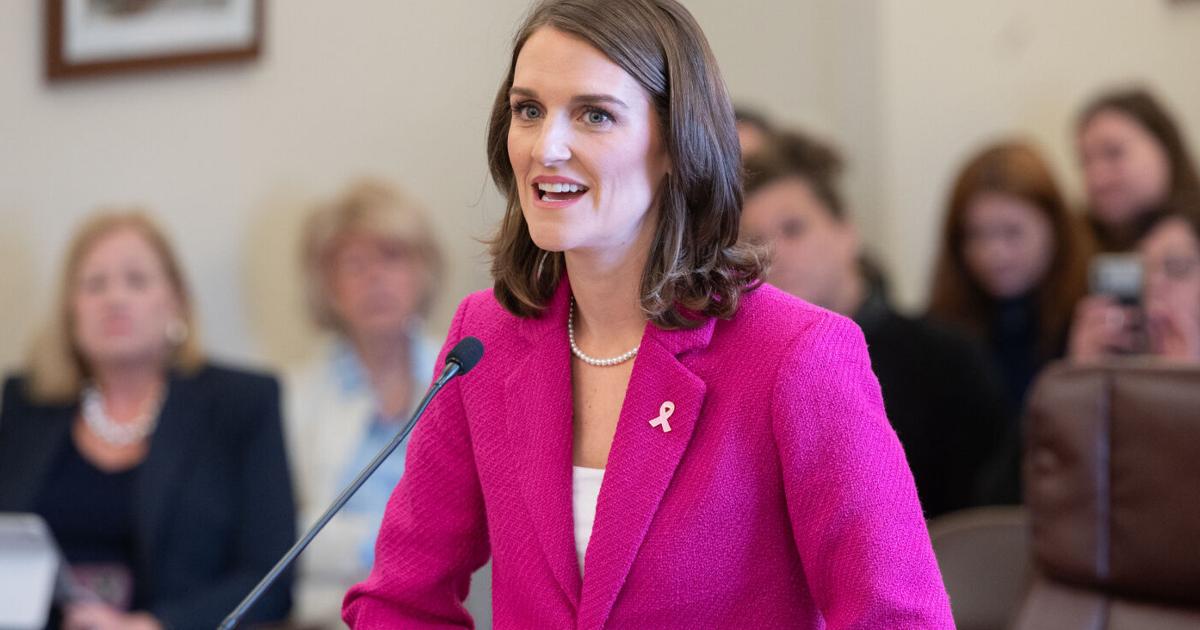
The bill comes after emotional testimonies from cancer survivors like Jessica Huffman, a 38-year-old mother of six and registered nurse from Williamstown. Huffman shared her journey with breast cancer, which included a double mastectomy and chemotherapy treatment. “Two years ago, I was diagnosed with breast cancer,” she explained. “I lost all of my hair, and while being bald is socially acceptable for many men, it was very difficult for me.”
Scalp cooling systems, which have been approved by the American Cancer Society since 2017 for patients with solid tumors, work by reducing the amount of chemotherapy that reaches hair follicle cells. By cooling the scalp, blood vessels constrict, limiting the drug’s impact on hair follicles. Huffman emphasized the importance of this treatment, stating, “It allows people to keep often more than half of their hair.”
Despite their effectiveness, scalp cooling systems are not recommended for all cancer patients, particularly those with certain conditions such as leukemia, lymphoma, or central nervous system cancers. The cost of these systems can exceed $3,000, prompting Huffman to argue for proactive measures over reactive ones. “Many insurance companies currently cover wigs, which can cost just as much. Instead of spending that money as a reaction, we could prevent hair loss altogether in a very safe way,” she asserted.
The financial implications of HB 4089 have also been assessed. A fiscal note from the West Virginia Department of Human Services estimates the implementation cost at approximately $585,000, with the state contributing $104,598 and the federal government covering $480,402. Notably, both the West Virginia Insurance Commission and the Public Employees Insurance Agency indicated that the bill would have no financial impact on their operations.
Hall has been an advocate for this legislation, inspired by his own family’s experiences with cancer. He previously introduced similar legislation in 2025 but was unable to see it through before the session ended. “I’ve been on this journey with Huffman, and this has been a wonderful journey for two years,” Hall stated. He highlighted the success of similar laws in New York and Louisiana, which have already mandated insurance coverage for scalp cooling systems.
Support for HB 4089 extends beyond Hall, with Senate Health and Human Resources Committee Chair Brian Helton voicing his commitment to the bill. “This is so important to so many people when they’re already going through a serious physical ailment like cancer,” Helton remarked. He emphasized that preserving dignity and self-esteem should be a fundamental aspect of cancer treatment.
Hall also shared a personal connection to the issue, recalling his sister Debbie, a former athlete who faced the emotional challenges of hair loss during her own battle with cancer. “The loss of hair, and the reflection in the mirror is what I remember most,” he said. “It didn’t change who she was, but it changed the perception of everyone else who looked at her. And by doing that, she lost a bit of hope and a touch of confidence.”
As HB 4089 moves through the legislative process, it has already passed unanimously in the House of Delegates and is currently under consideration by the Senate Finance Committee. If approved, the bill could mark a significant step forward in enhancing the quality of life for West Virginians undergoing cancer treatment, fostering hope and confidence in their journey to recovery.