The landscape of smartwatches has transformed significantly, with devices now offering advanced functionalities that extend well beyond mere timekeeping. In a recent overview, ZDNET detailed its rigorous testing methods, highlighting how its evaluations of smartwatches have evolved to meet the demands of modern consumers as of January 2026.
Evaluating Performance and Features
Modern smartwatches have become integral companions for many, featuring capabilities such as voice assistance, crash detection, and comprehensive health tracking. ZDNET explains that the devices undergo extensive testing, typically involving several weeks of continuous wear to accurately assess battery life, health metrics, and overall functionality.
Smartwatches are generally acquired after their public release, allowing for thorough evaluations without the pressure of immediate publication. The testing process includes connecting each smartwatch to various smartphones to gauge how well notifications are delivered and how consistently features operate. This holistic approach ensures that evaluations are not solely based on initial impressions but reflect long-term use.
ZDNET emphasizes that while price and battery longevity are factors in their recommendations, they are less critical in a market where most smartwatches range from $300 to $500 and typically require daily charging. Instead, the evaluation focuses on five key criteria: core functionality, build quality, health and wellness tracking, application support, and advanced features.
Core Functionality and Build Quality
According to ZDNET, the primary function of any smartwatch is to reliably display the time and manage notifications. Effective user experience is critical; any friction in performance could deter users from integrating the device into their daily routine. Custom watch faces and the ability to interact with notifications enhance this functionality.
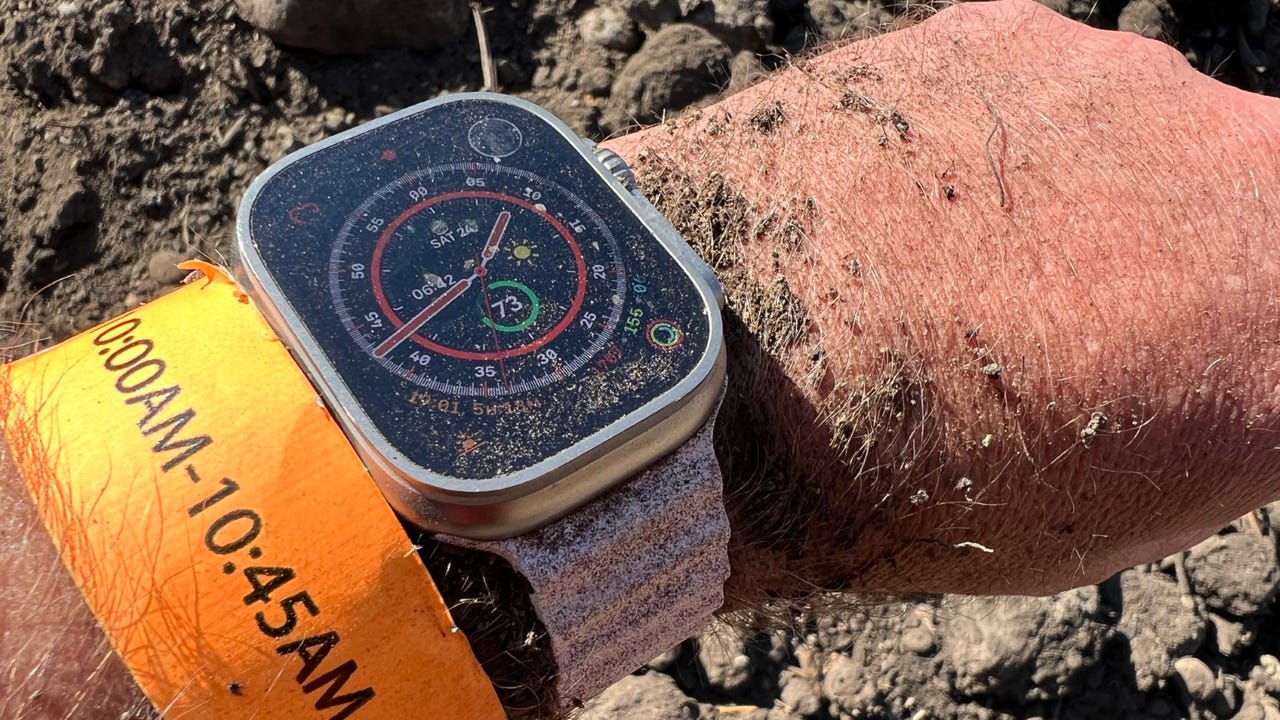
Build quality is also a vital consideration. Most smartwatches feature water resistance and durable glass to withstand everyday use. The materials used, such as polymer fiber and stainless steel, contribute to their resilience. ZDNET documents any signs of wear during testing, including scratches and overall durability under various conditions.
Health and wellness features have seen tremendous advancement, enabling users to track physical activities, monitor heart rates, and analyze sleep patterns. The integration of such functionalities has made smartwatches appealing not only to casual users but also to professional athletes seeking to enhance their performance. Companies like Apple and Google continue to innovate in this area, introducing features that provide actionable health insights.
Applications and Advanced Features
The evolution of third-party applications has expanded the capabilities of smartwatches significantly. ZDNET tests a core selection of applications to determine their effectiveness across different devices, noting that Apple currently leads in terms of available applications and their usability.
Advanced features are where smartwatches begin to distinguish themselves. In 2025, several brands, including Garmin and Samsung, introduced satellite communication capabilities for emergency services, showcasing the industry’s push towards enhanced connectivity options. Other notable functionalities include music control, incident detection, and health monitoring features such as Apple’s new Hypertension Detection.
As smartwatches continue to evolve, ZDNET remains committed to providing comprehensive evaluations that reflect the needs of everyday users. With ongoing advancements in technology and features, the world of smartwatches will undoubtedly see further innovations, ensuring their place as essential devices in modern life.