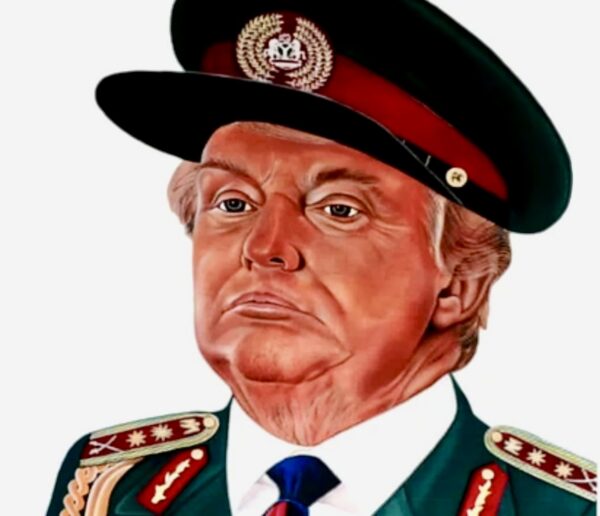
Concerns about authoritarianism in democracies are intensifying, with a focus on the implications of political figures resembling dictators. In a recent discussion, a reader highlighted the risks associated with such leadership, particularly in the context of the United States. This commentary raises critical questions about the resilience of democratic institutions and the potential shift toward autocratic governance.
The Political Landscape
In January 2026, the political climate in the United States has prompted renewed scrutiny of leadership styles and their effects on democracy. The emergence of authoritarian tendencies, often associated with figures like Donald Trump, has sparked debates about the erosion of civil liberties and the checks and balances essential for a functioning democracy. Observers note that the consolidation of power can lead to significant changes in the democratic fabric of a nation.
Analysts emphasize that the characteristics of authoritarianism can manifest in various forms, including the suppression of dissent, control over media narratives, and the undermining of judicial independence. These tactics are not new, but their recurrence in modern democracies raises alarms about the future of governance in the United States and beyond.
Implications for Civil Liberties
The potential shift towards authoritarianism poses significant risks for civil liberties. Public discourse is increasingly marked by polarization, and many citizens express concerns over the diminishing space for free expression. According to a recent study by the Institute for Democracy and Electoral Assistance, over 40% of respondents in democratic nations believe their governments are moving towards authoritarian practices. This statistic underscores the urgency of addressing these trends.
Political scientists argue that the rise of populism can contribute to the ascendance of authoritarian leaders. The allure of strong leadership often overshadows the importance of democratic norms. As citizens become disillusioned with traditional political structures, they may inadvertently support movements that undermine their rights and freedoms.
The interplay between public sentiment and political leadership is complex. While some view authoritarian figures as decisive and effective, others warn that such leadership can lead to long-term detrimental consequences for democracy. The balance between security and freedom remains a contentious issue, calling for ongoing dialogue and vigilance.
The current political landscape serves as a reminder of the importance of safeguarding democratic institutions. While challenges persist, citizens and lawmakers alike must remain committed to upholding the principles of democracy. Only through active engagement and awareness can societies hope to prevent the slide into authoritarianism and ensure the protection of civil liberties for future generations.