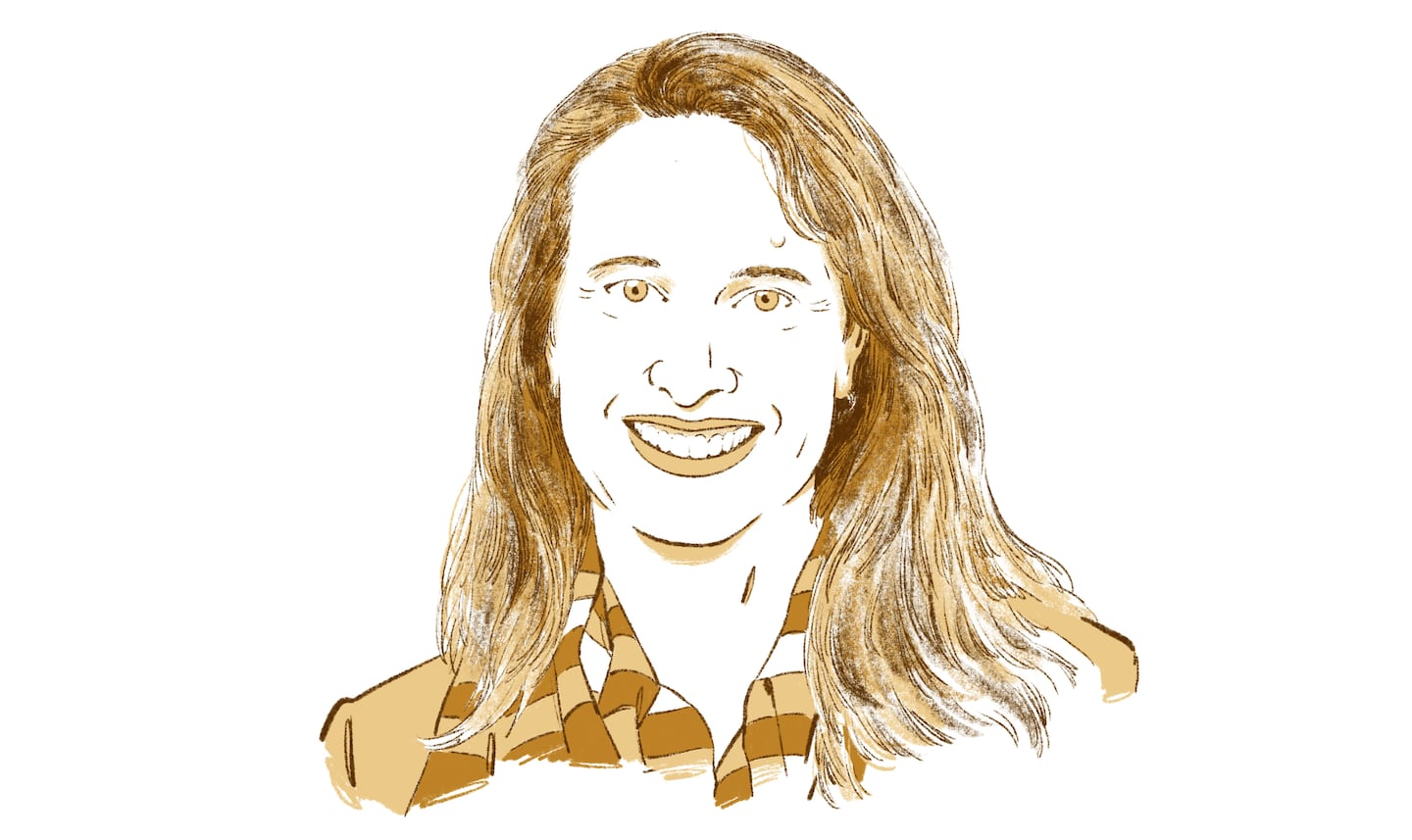
When Janet Rich Edwards, a professor of epidemiology at Harvard University, published her debut novel, it marked a significant shift from her academic career to the realm of fiction. Her novel, titled “Canticle,” delves into the world of medieval mysticism through the eyes of a young woman named Aleys, a 13th-century Belgian teen who defies societal norms to forge a personal relationship with God.
Edwards draws inspiration from her own life experiences, particularly her time as a Peace Corps volunteer in Niger. While working at a health clinic during a regional famine, she faced profound challenges that ignited her spiritual quest. “We were running out of food and we were losing kids to the famine,” she recalls. This crisis spurred her to seek spiritual grounding, leading her to explore the words of female medieval mystics in a book on world religions sent by her mother. “These were women who were taking great risks and claiming their direct experience of God,” she explains.
Aleys and the Beguines
In “Canticle,” Aleys embarks on a journey that challenges the religious authorities of her time. She learns Latin and collaborates with the beguines, a lay religious community of women dedicated to translating the Bible into vernacular languages. Edwards highlights the conflict between spiritual seekers and the church hierarchy, emphasizing the fear the medieval church had of uncontrolled interpretations of scripture. “The church really wanted to be able to control the message,” she states, noting the implications of this struggle for both Aleys and contemporary society.
Rich Edwards dedicated significant effort to research the historical context of her characters, immersing herself in the details of medieval life. She notes that while it was not technically illegal to translate the Bible, church authorities held the power to deem certain translations as heretical. “Research is like catnip to an academic!” she says, reflecting on the joy she found in uncovering the intricacies of the era.
Parallels to Modern Times
Despite the centuries separating Aleys from today’s world, Edwards sees striking parallels in the ongoing interpretations of religious and spiritual messages. “There are as many interpretations of them as there are interpreters,” she observes. This flexibility can serve as both a tool for liberation and a means of oppression, with both forces at play in contemporary discussions about faith.
Edwards draws attention to the courage exhibited by women throughout history. “These women were quiet radicals,” she explains, acknowledging the risks they took in asserting their independence. Many faced dire consequences, with some even being executed for their beliefs. “They were incredibly brave and they persisted,” she adds.
On January 6, 2024, Janet Rich Edwards will read from her debut novel at Brookline Booksmith at 19:00. Her journey from academia to fiction offers a rich perspective on the intersections of faith, courage, and creativity, inviting readers to contemplate the enduring relevance of spiritual questing.