The recent death of community observer Renee Good in Minneapolis has sent shockwaves through networks of volunteers who monitor immigration enforcement in North Carolina. Good was killed while documenting an immigration operation, a tragedy that has forced observers to confront the stark realities of their work and the risks associated with it.
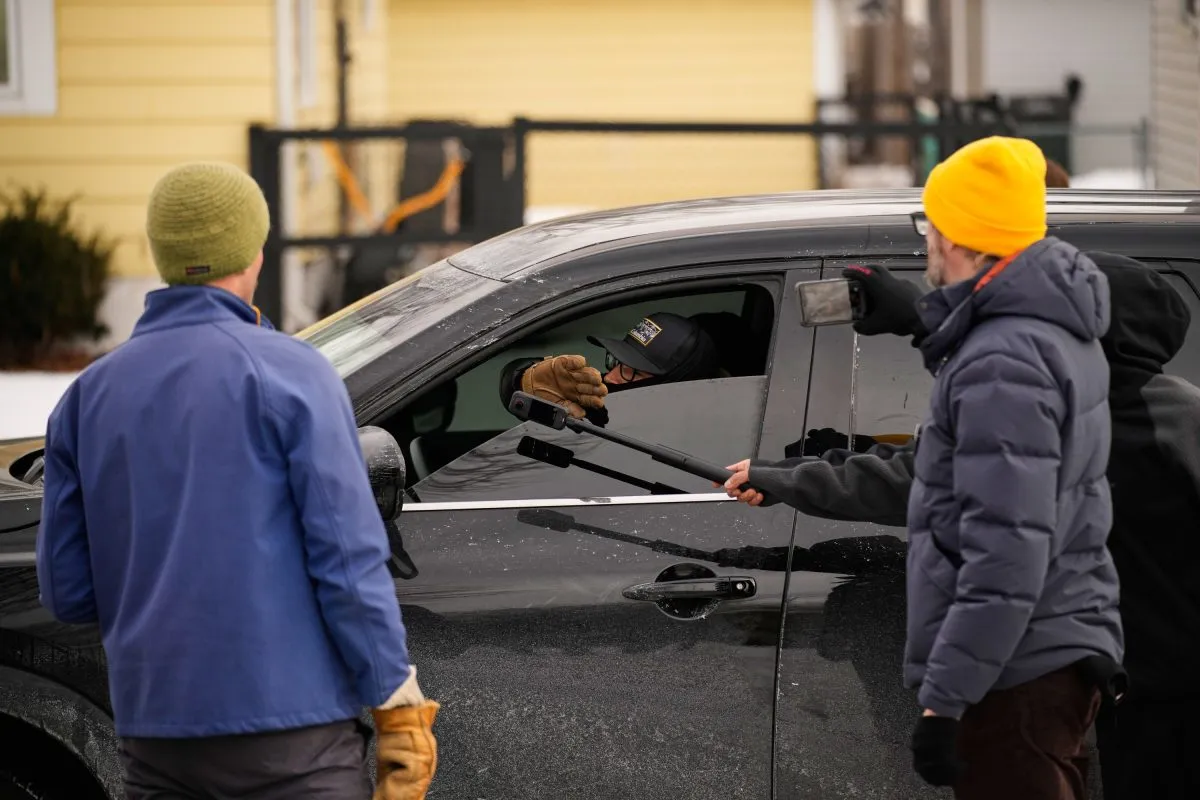
For years, hundreds of volunteers across North Carolina, primarily U.S. citizens, have participated in community observation networks. These trained individuals document the presence of federal agents, ensuring that immigration operations are recorded without intervening or confronting officers. This practice, deeply rooted in the idea that observation can deter misconduct, is now called into question after the fatal incident involving Good.
In the wake of her death, Martha Hernández, coordinator of the Radar Safe community observation network, received numerous messages from observers in North Carolina expressing their grief and concern. “I feel deeply disturbed and saddened by what happened to Renee Good in Minnesota, but my commitment to serve my community remains the same,” one observer said. Another message emphasized the need for vigilance, stating, “It’s clear that ICE is willing to go to the very end.”
The emotional toll on these volunteers is significant. Many observers are grappling with fear and uncertainty, as highlighted by Hernández. “Under this administration, there is nothing that guarantees safety,” she remarked, pointing to the increased risks faced by citizens involved in these efforts.
Impact on Community Observation Networks
The killing of Renee Good has raised alarms about the safety of community observers, prompting organizations like Siembra NC to reassess their operations. Kelly Morales, co-director of Siembra NC, underscored the importance of their work, stating, “If that’s what they do when we are there, imagine what they would do when no one is watching.” In 2025 alone, Siembra NC trained approximately 5,000 community observers through its “Cuidando el Camino” program, illustrating the extensive reach of these initiatives.
Morales views Good’s death as part of a broader pattern of impunity within immigration enforcement, citing at least 32 deaths of individuals in immigration custody in 2025 alone. “The fact that there are witnesses allows us to now demand accountability,” she explained.
In Henderson, Henderson Fuerza Activa operates with a smaller group of 14 young community observers, many of whom are related to undocumented individuals. Coordinator Antelmo Salazar noted the profound impact of Good’s death on these young volunteers, who are committed to defending their community but are now questioning their safety. “They keep asking and asking. They say, ‘Do I throw in the towel?’” Salazar shared.
Strategies for Continued Observation
Following the tragic event, organizations are taking steps to enhance the safety and training of community observers. The Radar Safe program, which serves Wake and Durham counties, is prioritizing legal training and ensuring that volunteers do not document operations without proper preparation. Hernández emphasized the need for ongoing training and support, stating, “No one should document operations without prior training.”
At the Carolina Migrant Network, which has trained over 700 volunteers in Charlotte, the response involves assessing the risks and strengthening protocols. Stefania Arteaga, co-executive director, highlighted the necessity of collective action and the importance of supporting observers in the face of fear.
The organization is also reviewing its training methods and reinforcing the recommendation that volunteers not go out alone during operations. This proactive approach aims to ensure the safety of all involved, as observers continue to play a crucial role in documenting immigration enforcement actions across North Carolina.
In summary, the death of Renee Good has cast a shadow over community observation efforts in North Carolina. While the emotional toll on volunteers is palpable, organizations are committed to adapting their strategies to protect those who serve as the eyes and ears of their communities. As they move forward, the focus remains on enhancing safety, providing support, and ensuring that accountability for immigration enforcement actions is upheld.