Layering in interior design is a fundamental principle that enhances the depth and authenticity of a space. Designers emphasize that layering is not merely about adding more decor but about creating a sense of lived-in warmth. Without it, rooms may appear finished yet lack character. This principle transcends seasons and styles, making it a timeless strategy for achieving inviting interiors.
Understanding Layering and Its Importance
According to Sarah Hart, owner and principal designer at Charleston-based Sarah Hart Interior Design, “Layering is the art of combining contrasting textures, shapes, materials, and scales to create a room that feels intentional, collected, and visually dynamic.” She explains that without effective layering, spaces can feel flat, especially in luxury homes where the goal is to achieve depth and quiet richness.
To illustrate this concept, Hart suggests visualizing a living room filled with oversized, plush furniture. The weight of such pieces can make a room seem heavy. By introducing lighter, more architectural elements, designers can create a balance that enhances the room’s overall appeal. “Designers rely on layering because it creates balance, rhythm, and sophistication,” Hart adds.
10 Techniques Designers Use to Create Depth
Layering is not limited to throw blankets or decorative items; it serves as a means to introduce contrast and depth while defining how a space is meant to be used. Here are ten strategies employed by designers to infuse dimension and personality into interiors:
1. **Establishing a Strong Base**
Every layering project begins with a foundational element that dictates the direction of subsequent design choices. Madelynn Hudson of M.H. Interiors stresses the importance of this base, which may include the rug, wall color, or architectural features. “When this layer is right, everything else has a clear direction,” she notes.
2. **Softening Hard Edges**
Textiles play a crucial role in balancing the rigidity of architectural elements. Lauren Carlucci from Lauren Carlucci Studio advises using soft upholstery, like pillows and quilts, to complement bolder structural components. This approach creates warmth and comfort, preventing a space from feeling overly severe.
3. **Layering Materials, Not Just Objects**
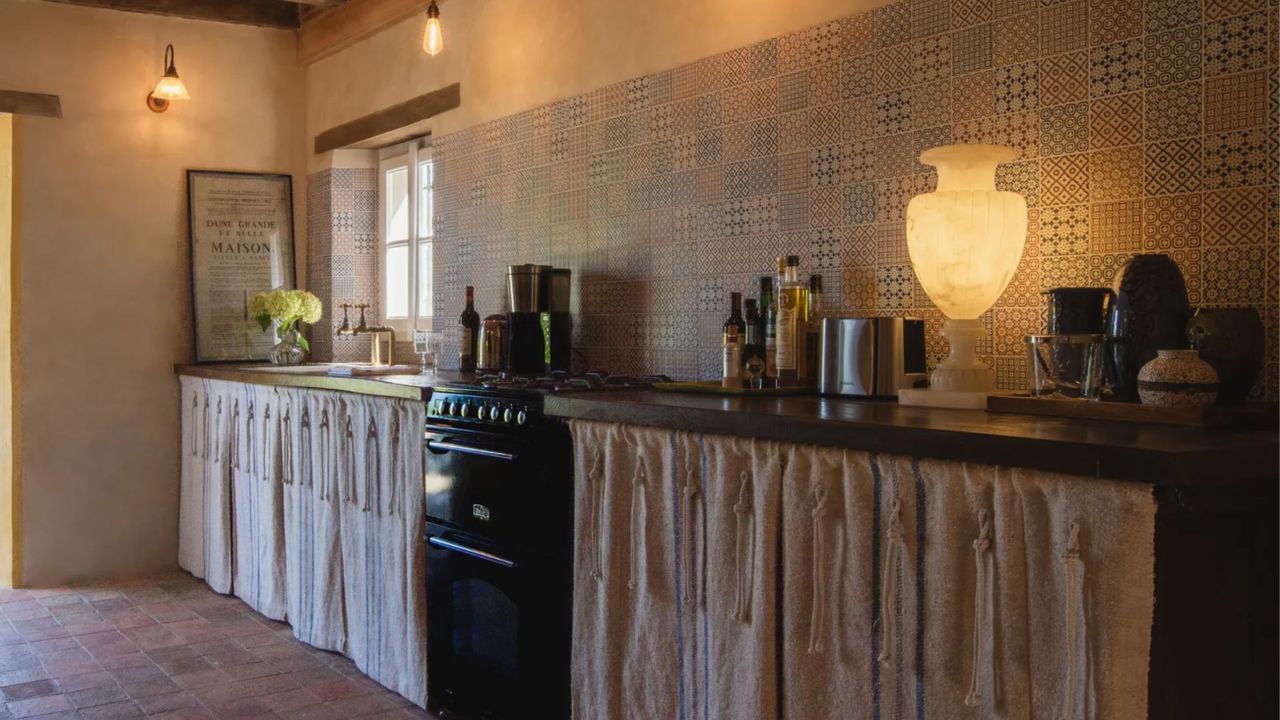
Layering different materials enhances a room’s visual appeal. Hudson encourages the combination of diverse elements such as stone, metal, wood, and textiles. “Balancing warm and cool materials creates tension and interest,” she explains, emphasizing that this technique is particularly effective in spaces with limited textiles.
4. **Differentiating Lighting**
Effective lighting is essential for creating a warm atmosphere. Jess Weeth highlights the importance of layering light sources, from sconces to lamps, rather than relying solely on ceiling fixtures. This approach enhances the room’s character and highlights key features, like artwork or architectural details.
5. **Playing With Shape and Scale**
Mixing various forms and sizes adds dynamism to a space. Hudson recommends pairing curvy and linear shapes to create movement. The strategic placement of large pieces followed by smaller items also helps maintain an organic flow.
6. **Mixing High and Low Elements**
Incorporating both luxury and more accessible items can elevate the overall aesthetic. Dan Mazzarini, principal designer at Mazzarini & Co., suggests that mixing expensive pieces with budget-friendly options adds interest without compromising style. “It’s the mixture that makes the room interesting, not the price tag,” he states.
7. **Balancing Old and New**
Combining vintage and contemporary items enriches the design narrative. Carlucci explains that this approach adds depth and relevance to both styles, fostering a sense of story within the space. For example, a modern sofa paired with an antique side table can create a captivating contrast.
8. **Leveraging Literature**
Books can serve as both decor and conversation starters. Cheryl Stauffer encourages using literature to layer surfaces, whether on a coffee table or bookshelf. By varying the colors and sizes of books, designers can enhance visual storytelling throughout a space.
9. **Using Pleats and Skirts**
Pleated and skirted furniture adds volume and softness to a room. Weeth notes that incorporating different scales and constructions can significantly impact the overall mood, making it a viable strategy for refreshing existing pieces.
10. **Making It Personal**
Finally, personal touches are crucial for creating a unique atmosphere. Layering often happens over time, incorporating items with sentimental value. Hudson suggests finishing with personal details like art and ceramics, which add emotional weight to a space.
In conclusion, layering is an essential aspect of interior design that fosters a sense of authenticity and depth. By thoughtfully combining materials, textures, and personal elements, designers can transform spaces into inviting, lived-in environments. This gradual process encourages homeowners to allow their interiors to evolve over time, reflecting their personal stories and experiences.