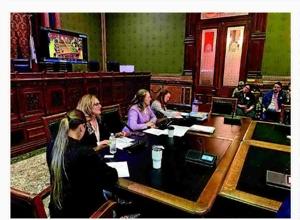
Iowa lawmakers have taken significant steps towards restricting LGBTQ+ education in schools. On March 6, 2024, the Iowa House Republicans advanced legislation that would expand existing prohibitions on classroom instruction regarding sexual orientation and what the state defines as “gender theory.” This move extends previous limitations into middle and high school settings.
The proposed legislation aims to ban any school-sponsored programming or curriculum that references these themes, which has sparked considerable debate among educators, parents, and advocacy groups. Critics argue that such measures could hinder inclusive education and limit discussions that are vital for students’ understanding of diversity and acceptance.
Governor Kim Reynolds has expressed her support for the bills, aligning with the House Republicans’ agenda. The governor’s office stated that the legislation is intended to protect parental rights and ensure that discussions on sensitive topics remain within the family unit. Proponents of the bill believe that parents should have the primary role in discussing sexual orientation and gender identity with their children.
Supporters of the legislation cite the need for a focused educational environment, arguing that discussions around LGBTQ+ issues may not be appropriate for all students. They contend that these discussions can lead to discomfort or confusion among younger students, advocating instead for a more traditional approach to education.
In contrast, opponents of the bill emphasize the importance of representation in education. They argue that restricting discussions on sexual orientation and gender identity can perpetuate stigma and discrimination against LGBTQ+ individuals. Advocacy groups, including the American Civil Liberties Union (ACLU), have voiced strong opposition to the proposed measures, asserting that they undermine the rights of students and educators.
The bill’s advancement has ignited discussions across the state about the role of education in addressing complex social issues. Many educators fear that such restrictions may lead to a chilling effect, where teachers feel hesitant to address important topics for fear of disciplinary action.
While the legislation has yet to pass through the Senate, its momentum in the House indicates a growing trend among certain lawmakers to limit discussions around LGBTQ+ issues in educational settings. The political landscape in Iowa reflects broader national debates regarding parental rights, educational content, and the inclusion of diverse perspectives in schools.
As the situation develops, it remains to be seen how these legislative actions will impact students and educators in Iowa. With ongoing discussions and potential changes in public policy, the implications of this legislation may resonate beyond the classroom, influencing broader societal attitudes toward LGBTQ+ individuals and issues.