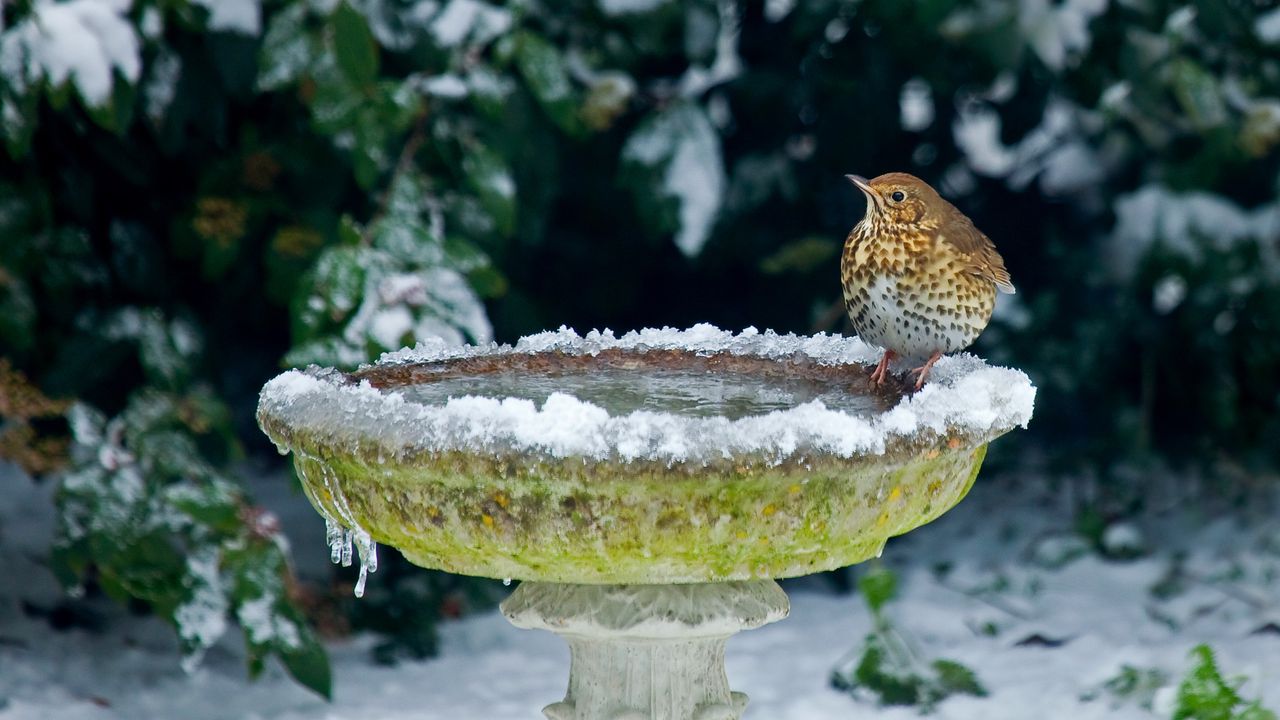
As winter approaches, many bird enthusiasts are looking for effective ways to keep their bird baths functional and inviting for local wildlife. A simple and economical solution involves using a common household item: a ping pong ball. This inexpensive addition can help prevent the water in bird baths from freezing solid, ensuring that birds have access to fresh water throughout the colder months.
Bird baths serve a vital role in providing hydration and a safe space for birds. Contrary to popular belief, not all bird species migrate south during winter. Many remain in local areas, making unfrozen water a valuable resource. When temperatures drop, it’s crucial to protect these water features from freezing, not only for the birds’ benefit but also to prevent potential damage to the baths themselves.
How to Use Ping Pong Balls Effectively
The primary function of a ping pong ball in a bird bath is to disrupt the formation of ice. As temperatures fall below freezing, the water’s surface cools first, leading to the potential for ice to form. By placing a lightweight object like a ping pong ball in the water, the ball floats and moves with even the slightest breeze. This movement helps break up small ice crystals before they can solidify into a thicker layer.
The benefits of this method extend beyond ice prevention. Moving water is more appealing to birds, which could encourage more visits to your bird bath. A single ping pong ball, which measures approximately 40mm in diameter and weighs 2.7 grams, can be an effective and cost-efficient solution.
Additional Strategies for Winter Bird Bath Maintenance
While using a ping pong ball is a practical start, there are several other methods to further protect bird baths during the winter months:
1. **Black Layer at the Bottom**: Adding a layer of black river rocks or painting the basin black can help absorb sunlight, raising the water temperature during the day.
2. **Relocate the Bird Bath**: Positioning the bath in a sunny area with minimal wind exposure can significantly influence the water’s temperature.
3. **Insulation**: Wrapping the basin with straw or burlap not only enhances aesthetics but also provides insulation against the cold.
4. **Maintain Water Levels**: Keeping the water level high can slow down the freezing process. Adding a small amount of warm water daily can help maintain a stable temperature.
5. **Frost-Resistant Materials**: Consider using a bird bath made from frost-resistant resin. Such materials are less likely to crack if freezing occurs.
While these methods can be effective, there are also practices to avoid when trying to prevent ice formation:
– **Avoid Boiling Water**: Pouring boiling water into a frozen basin can cause thermal shock, potentially shattering the material.
– **Do Not Use Salt or Chemicals**: Adding substances to lower the freezing point can contaminate the water, making it unsafe for birds.
– **Skip Space Heaters**: Using electrical appliances outdoors poses significant safety risks, including fire hazards and damaged cables.
With these strategies, bird lovers can ensure their outdoor spaces remain welcoming and safe for local wildlife throughout the winter. By implementing these tips, you can enjoy the beauty and activity of birds visiting your garden even in the coldest months.