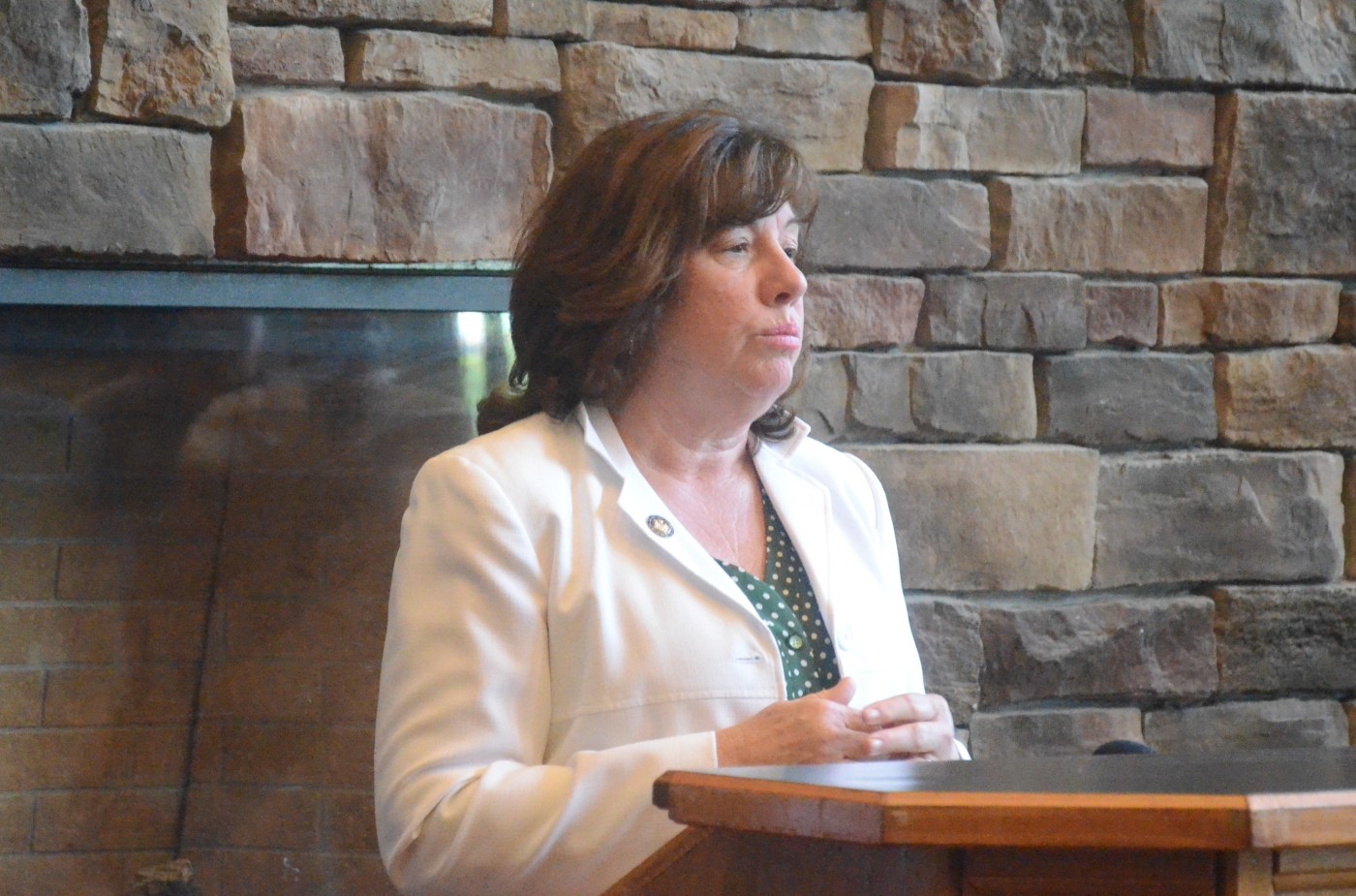
Assemblywoman Marianne Buttenschon, representing New York’s 119th Assembly District, has announced a series of legislative achievements set to take effect between January 1 and January 20, 2024. These new laws aim to enhance health care access for all New Yorkers, provide support for veterans, and improve safety protocols in schools.
One significant legislative change is the establishment of Cardiac Emergency Response Plans for all schools. This law mandates that schools integrate a comprehensive response plan into their existing safety protocols to address sudden cardiac emergencies effectively. By ensuring rapid and coordinated responses, including partnerships with local emergency medical services and the placement of automated external defibrillators, the legislation aims to protect students, staff, and visitors during critical moments.
“We must be prepared to act swiftly,” Buttenschon emphasized. “When a child, teacher, or community member suffers a cardiac arrest on school grounds, time is truly the difference between life and death.”
Another vital piece of legislation is the requirement for commercial health insurance to cover breast cancer screening services. This law mandates coverage for diagnostic mammograms, breast ultrasounds, and magnetic resonance imaging as recommended by clinical guidelines. Given that breast cancer remains the leading cause of cancer-related deaths among women in the United States, this bipartisan initiative aims to eliminate financial barriers to essential screenings.
“No longer will the ability to pay hinder access to preventative care for breast cancer,” Buttenschon stated. “This act will undoubtedly save lives.”
The new laws also address the emotional impact of cancer treatment through a measure that requires insurance coverage for scalp cooling devices. These devices help mitigate chemotherapy-induced hair loss, an often distressing side effect of cancer treatment. By promoting dignity and self-esteem, this legislation recognizes the psychological toll of cancer on patients.
“For many cancer patients, hair loss is a daily, visible reminder of their illness,” Buttenschon explained. “This legislation acknowledges that preserving one’s appearance during chemotherapy is about maintaining dignity and a sense of control.”
In a move to alleviate the financial burden on families managing severe allergies, the new laws cap out-of-pocket expenses for EpiPens at $100 per year. With the cost of these life-saving devices often exceeding $700, many New Yorkers have faced difficult decisions regarding their health care needs.
“No person should have to choose between their physical and financial well-being,” Buttenschon remarked.
Additionally, active-duty servicemembers stationed in New York who have served in combat zones will now be eligible for property tax exemptions. This legislation recognizes their sacrifices and aims to provide financial relief to those who serve the nation.
“This bill offers support to those brave men and women who willingly protect our freedoms,” Buttenschon said.
The designation of New York as a Purple Heart State serves as a formal acknowledgment of the sacrifices made by wounded veterans. This law expresses gratitude for the courage and service of military personnel who have been injured or killed in action.
“This recognition speaks to the heart of who we are as New Yorkers,” Buttenschon stated. “Your sacrifices will never be forgotten.”
Lastly, the new law establishes property tax exemptions for the surviving spouses of fallen law enforcement officers, offering them needed financial support during difficult times. Localities will now have the authority to provide up to 50 percent property tax exemptions to these families.
“This bill is about fairness and compassion,” Buttenschon noted, emphasizing the importance of standing by the families of those who have made the ultimate sacrifice.
Buttenschon represents the cities of Utica and Rome, along with surrounding areas in Oneida County. Her office can be contacted for further information at Room 401, State Office Building, 207 Genesee St., Utica, NY 13501, or at (315) 732-1055.