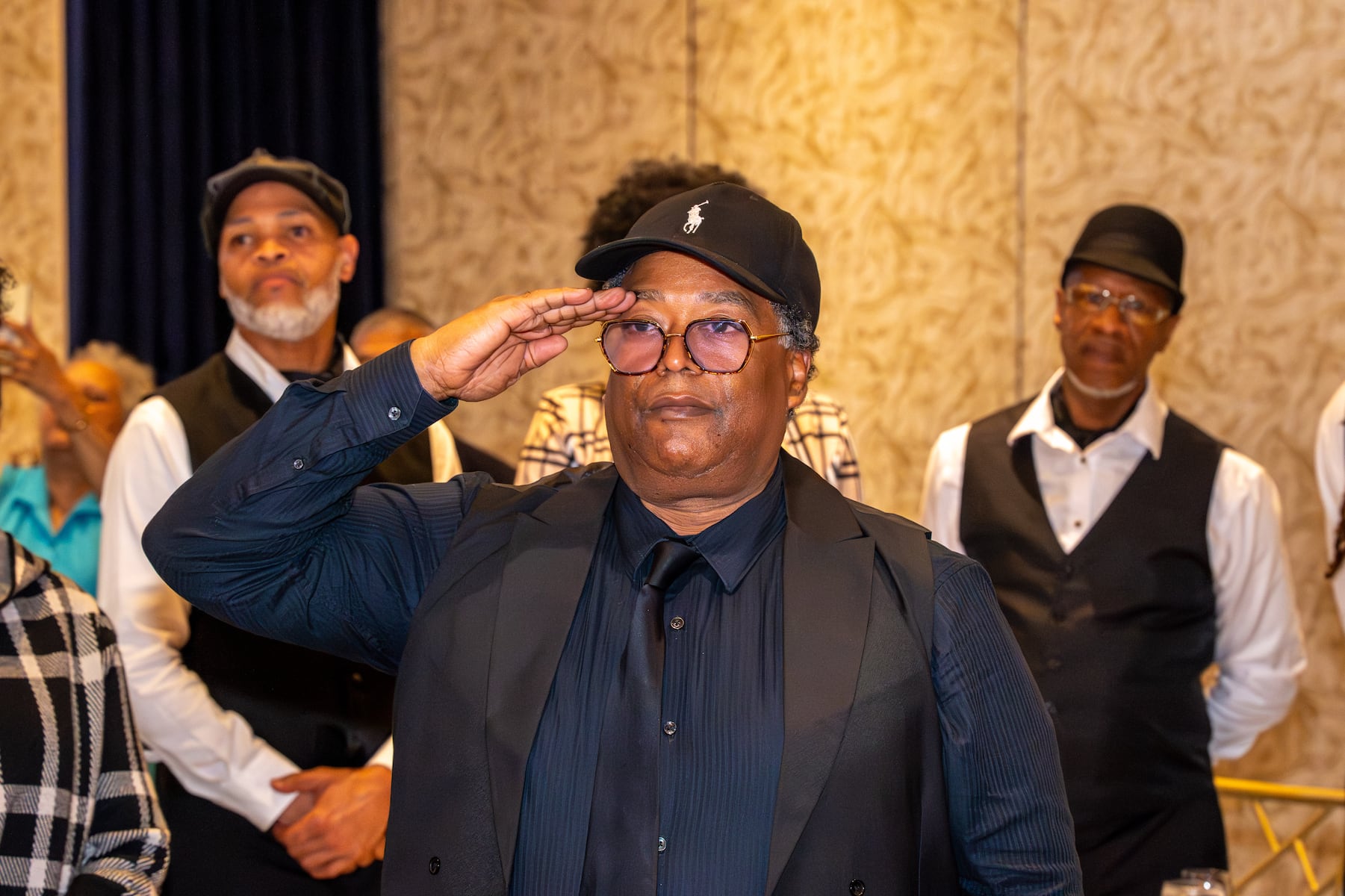
An admiral overseeing U.S. military operations in Latin America has formally handed over command during a ceremony on October 27, 2023, amid increasing scrutiny regarding the Trump administration’s military strikes on alleged drug trafficking boats. Admiral Alvin Holsey retired one year into his role, which typically lasts three to four years, transferring responsibilities to Air Force Lt. Gen. Evan Pettus at the U.S. Southern Command headquarters near Miami.
In his farewell remarks, Holsey did not address the ongoing military operations or the reasons behind his unexpected retirement. Instead, he emphasized the importance of maintaining strong partnerships in the region. “To be a trusted partner, we must be credible, present, and engaged,” Holsey stated, underscoring his commitment to democratic values and the rule of law.
Holsey’s retirement was announced by the Pentagon in October, coinciding with the Trump administration’s aggressive campaign against drug boats in the Caribbean and eastern Pacific, which has resulted in the deaths of at least 87 individuals. As Congress launched investigations into these operations, Holsey briefed lawmakers earlier in the week.
The transition ceremony was notably subdued compared to previous retirements, lacking the presence of Defense Secretary Pete Hegseth due to the absence of a nominated replacement for Holsey. Gen. Dan Caine, chairman of the Joint Chiefs of Staff, acknowledged Holsey’s 37 years of service, describing him as a “stoic leader” who prioritized his team over personal accolades.
Congress has initiated bipartisan inquiries into the strikes, including one incident that resulted in the deaths of two survivors who were clinging to wreckage from an earlier attack. Lawmakers have expressed concerns over the legality of these military actions, given that individuals accused of drug trafficking have historically been apprehended by the U.S. Coast Guard and prosecuted in the United States.
The series of 22 strikes against suspected vessels has been supported by a large fleet of warships, attack helicopters, thousands of troops, and the nation’s most advanced aircraft carrier. The Trump administration has characterized drug gangs in Venezuela, Colombia, and Mexico as “narcoterrorists,” employing a legal justification rooted in post-September 11, 2001, policies that assert the U.S. is in armed conflict with these drug cartels.
This military campaign has intensified pressure on Venezuelan President Nicolás Maduro, who faces narcoterrorism charges in the United States. Recently, U.S. forces escalated their efforts by seizing control of an oil tanker linked to smuggling operations, further complicating Maduro’s hold on power amid critical oil sales on global markets.
Holsey’s departure marks another significant change in military leadership following a series of sudden retirements and firings within the Pentagon since Hegseth assumed his position. Lt. Gen. Pettus, who previously served as Holsey’s deputy, has combat experience in Iraq and Afghanistan. His future in the role remains uncertain, as the next nominee from the Trump administration must be confirmed by the Senate.
As the investigations continue and military operations evolve, the implications of these strikes and the shifting leadership at Southern Command will likely remain focal points of discussion within Congress and the broader public discourse.