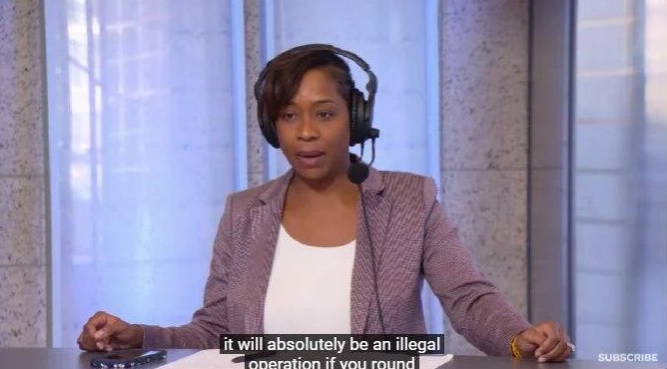
The ongoing conflict between Massachusetts Attorney General Andrea Campbell and state Auditor Diana DiZoglio has intensified, as both officials grapple with the implementation of a new law granting the auditor authority to review legislative activities. This dispute has surfaced prominently following Campbell’s recent appearance on Boston Public Radio, where she reiterated the importance of the law and expressed hope that voters would receive the transparency they expected.
Campbell stated, “I hope the voters get exactly what they voted for,” referencing a significant 2024 ballot measure that aimed to empower the auditor in scrutinizing the operations of the Legislature. Despite this support, Campbell placed the responsibility for the current stalemate on DiZoglio, asserting, “I hope the auditor stops the standoff.” In turn, DiZoglio responded with accusations of “public corruption,” alleging that Campbell was obstructing the will of the electorate.
The Democratic leadership within the Massachusetts Legislature has raised concerns regarding the constitutional validity of the newly enacted law, despite nearly 75% of constituents supporting it during the ballot initiative. Both Campbell and DiZoglio have publicly exchanged blame over the delays in initiating the audit process, raising questions about accountability and transparency in government operations.
During an October rally at the State House, DiZoglio criticized Campbell’s collaboration with legislative leaders, claiming it hindered the audit. In response, Campbell acknowledged the legitimacy of the law but insisted that any audit must adhere to constitutional guidelines. “In order to move forward, the auditor must address our unanswered questions,” Campbell emphasized, highlighting the need for clarity regarding the scope and authority of the audit.
DiZoglio has challenged Campbell’s assertions, questioning the legitimacy of claims that her office has withheld necessary information. “If she’s going to continue to allege that, then it is her obligation to sue me and my office,” DiZoglio stated, reiterating her willingness to comply with any legal requirements to enforce the law.
The tension escalated further during the recent radio interview, where Campbell maintained that her office had faced no issues with other agencies but highlighted ongoing challenges with the auditor. “The only agency or constitutional office we have had any issue with since I’ve taken office is the auditor,” she noted.
DiZoglio countered these claims, calling Campbell’s reluctance to pursue legal action “stall tactics” that could allow the Legislature to destroy critical documents. Campbell suggested a potential resolution where DiZoglio could seek outside legal counsel, should her office choose not to represent her. DiZoglio’s office has confirmed engagement with the law firm of Donnelly, Conroy & Gelhaar regarding this possibility.
The core of the disagreement revolves around the specific questions Campbell insists DiZoglio must answer, which pertain to the legal scope of the audit and potential litigation targets. During the Boston Public Radio interview, Campbell posed questions about the auditor’s approach to identifying audit targets within the Legislature, implying that these inquiries are crucial for moving forward.
As this political tug-of-war continues, both officials remain entrenched in their positions, suggesting that without resolution, Massachusetts may face further delays in achieving the transparency voters sought when passing the audit authority law. The outcome of this dispute will likely shape the future of legislative oversight in the state and could redefine the relationship between the attorney general’s office and the auditor’s office.