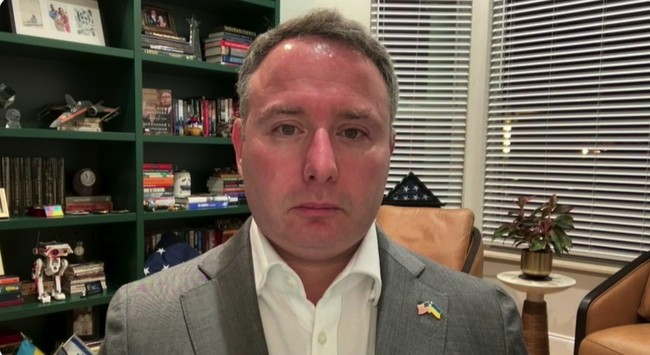
Former U.S. Army officer and impeachment witness Alexander Vindman has expressed his belief that it is time to reconsider the scope of presidential pardon powers. Vindman suggests that a constitutional amendment requiring Senate approval for pardons should be implemented, particularly in light of actions taken by Donald Trump during his presidency.
In a recent social media post, Vindman stated, “We are rapidly approaching the need to curtail @realDonaldTrump‘s (and future president’s) pardon/amnesty powers.” He emphasized that such an amendment would bring a significant change to the current system, which allows presidents broad discretion in granting pardons without legislative oversight.
Proposed Changes to Pardon Powers
Vindman’s proposal has sparked conversations about the balance of power between the executive and legislative branches. Traditionally, the president has had the unilateral authority to grant pardons, serving as a check on the judicial system. However, Vindman argues that involving the Senate in the process could enhance accountability and prevent potential abuses of power.
Critics of Vindman’s proposal have raised questions about its feasibility. Some argue that requiring Senate approval could complicate an essential executive function and may not be politically viable. There is skepticism about whether such an amendment could garner the necessary support to be ratified.
The debate comes in the wake of various high-profile pardons issued during both the Trump and Biden administrations. Vindman’s critics have pointed out that his concerns about presidential pardons seem to have emerged only after Trump’s presidency, suggesting a lack of consistency in his views.
Public Reactions and Political Implications
The discussion around presidential pardons has elicited mixed reactions on social media. Supporters of Vindman appreciate his call for reform, while others view it as politically motivated. Some users have sarcastically pointed out that concerns regarding pardons were notably absent during the Biden administration, particularly related to the use of auto-pen signatures for pardons attributed to Biden.
The conversation around this issue highlights broader concerns about executive power and accountability within the U.S. government. Advocates for reform argue that limiting presidential pardon powers could help restore public trust in governmental institutions.
As the political landscape continues to evolve, the debate over presidential pardons remains relevant, with implications that could shape future legislative agendas. The call for a constitutional amendment underscores the ongoing discourse about the balance of power and the responsibilities of elected officials in the United States.