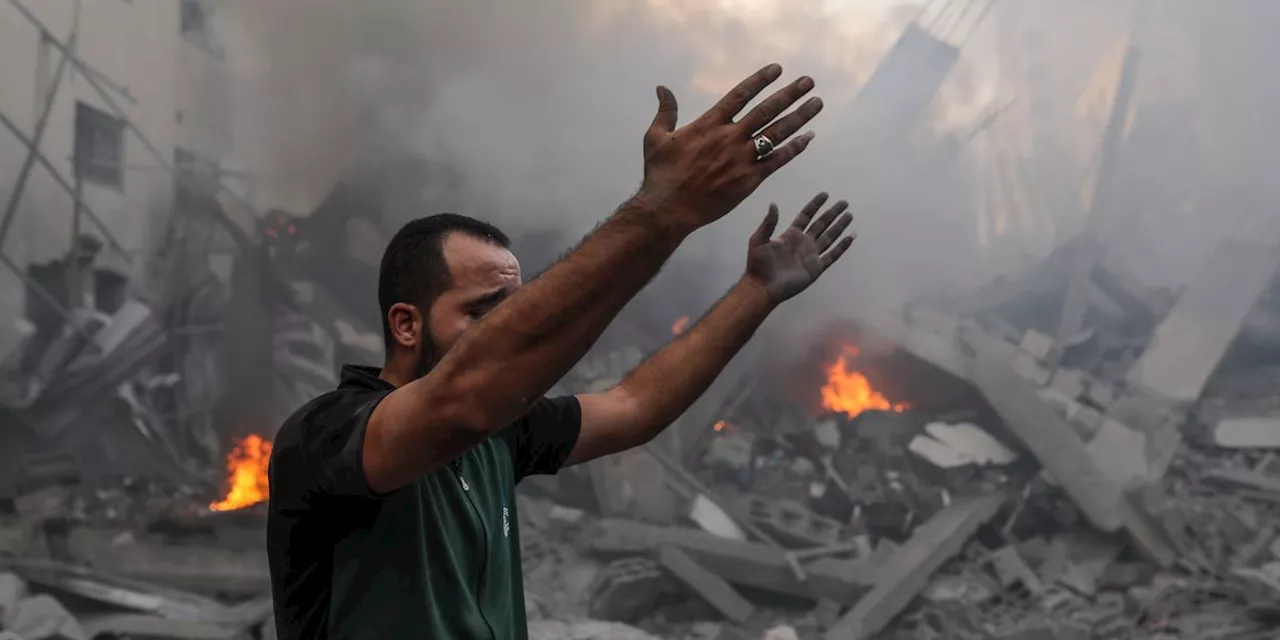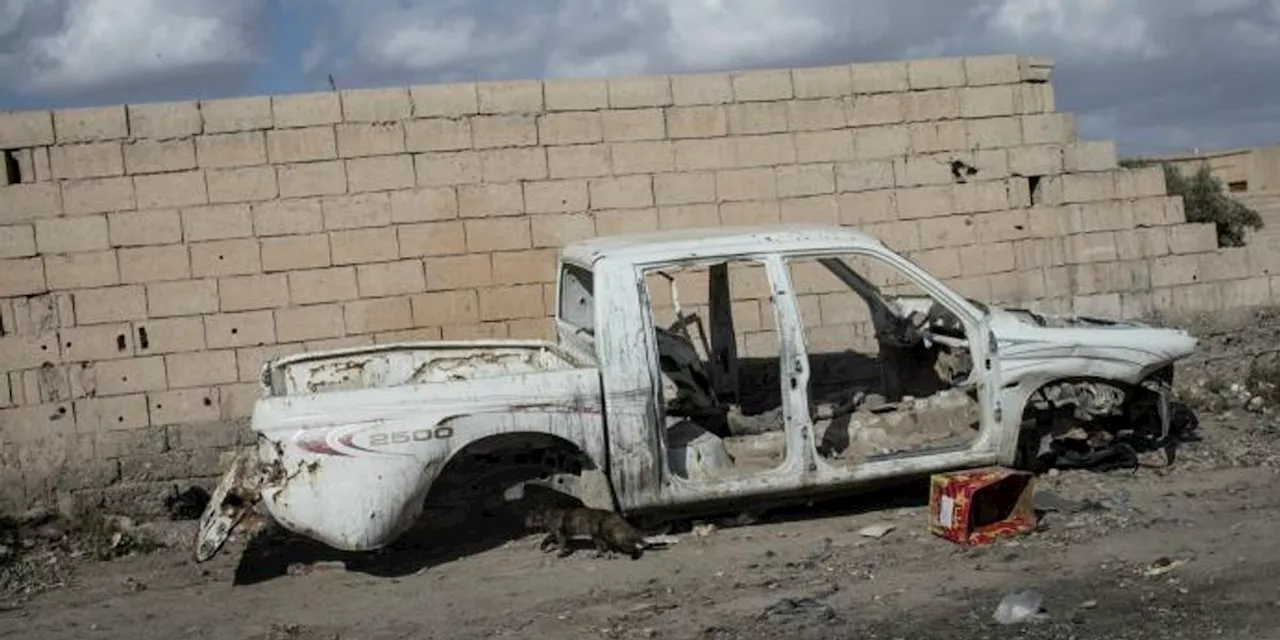
Amnesty International is demanding an independent investigation into civilian deaths during the U.S.-led military coalition’s offensive in Raqqa, Syria, which took place from June to October 2017. The human rights organization argues that the coalition’s recent acknowledgment of civilian casualties is just the beginning of uncovering the true extent of the devastation.
The call for a thorough inquiry comes shortly after the coalition admitted to killing at least 77 civilians, including 24 children and 25 women, during its operation against the Islamic State (ISIS). This admission follows a report released by Amnesty International in June, which highlighted the severe impact of the coalition’s so-called “war of annihilation” on the civilian population of Raqqa.
U.S. Army Colonel Thomas Veale, a spokesperson for the coalition, stated, “As far as how do we know how many civilians were killed—I’m just being honest—no one will ever know.” This sentiment reflects the uncertainty surrounding casualty figures throughout the operation, which intensified after Defense Secretary James Mattis announced the military’s shift to “annihilation tactics.”
Survivor Accounts Highlight Civilian Toll
Many survivors and witnesses have provided accounts that suggest the number of civilian casualties is significantly higher than reported. Donatella Rovera, senior crisis response adviser at Amnesty International, emphasized the need for transparency regarding the coalition’s methods for identifying targets and the measures taken to prevent civilian harm.
On July 18, 2017, the coalition claimed to have killed 11 civilians in a strike, yet there were a total of 46 other strikes conducted that day. Similarly, on August 20, 2017, the coalition reported killing 42 civilians during two strikes while conducting an additional 50 strikes that day. These discrepancies raise serious questions about the coalition’s operational practices.
Among the casualties was one-year-old Tulip, whose mother, Rasha Badran, shared her harrowing experience with Amnesty. She recounted the chaos following the strike, emphasizing that her family was one of the few to survive. “Almost everybody was killed. Only I, my husband, and his brother and cousin survived… We hid in the rubble until the morning because the planes were circling overhead,” Badran said. The tragic loss of her daughter serves as a stark reminder of the human cost of military operations.
Demand for Accountability
Amnesty International insists that without a rigorous investigation into the thousands of coalition strikes in Raqqa, the true scale of civilian casualties may never be fully understood. Rovera stated, “Unless the thousands of coalition strikes in Raqqa are rigorously investigated, the true scale of civilian casualties will likely never be established.”
The organization argues that a lack of accountability denies dignity to the victims and survivors of Raqqa. It urges the coalition to openly address any failures in their operations to prevent future tragedies. “How can the coalition avoid inflicting high civilian death tolls in the future without accounting for what went wrong in Raqqa?” Rovera questioned.
As the calls for an independent investigation grow louder, the international community watches closely. The need for justice and transparency in military operations remains paramount for the protection of civilian lives in conflict zones around the world.