On January 1, 2026, the United States will celebrate its 250th anniversary, coinciding with the 100th anniversary of the founding of Dexter Southfield School in Brookline. These significant milestones prompt reflection on the roles that education and civic engagement play in shaping society. Historian David McCullough once stated, “History is who we are and why we are the way we are.” This sentiment underscores the responsibility of current generations to honor the past while actively participating in the future.
History as a Living Legacy
McCullough emphasized that history is not merely a record of events but a vibrant narrative filled with individuals who struggled, succeeded, and contributed to the greater good. In a time when civic participation often appears diminished, this message resonates powerfully. McCullough argued that democracy thrives when citizens understand the fragility of their institutions and remain engaged in the democratic process. He believed that true patriotism is demonstrated through active participation, not just declarations.
Founded in 1926, Dexter Southfield School was established by families who envisioned education as a means of nurturing responsible citizens, rather than just preparing students for personal success. Among its esteemed alumni is John F. Kennedy, who was influenced by the school’s commitment to history, debate, and public service. The values instilled during his formative years contributed to his approach as a leader, emphasizing the importance of standing for what is right.
“Ask not what your country can do for you, ask what you can do for your country.” – John F. Kennedy
Embracing Civic Responsibility
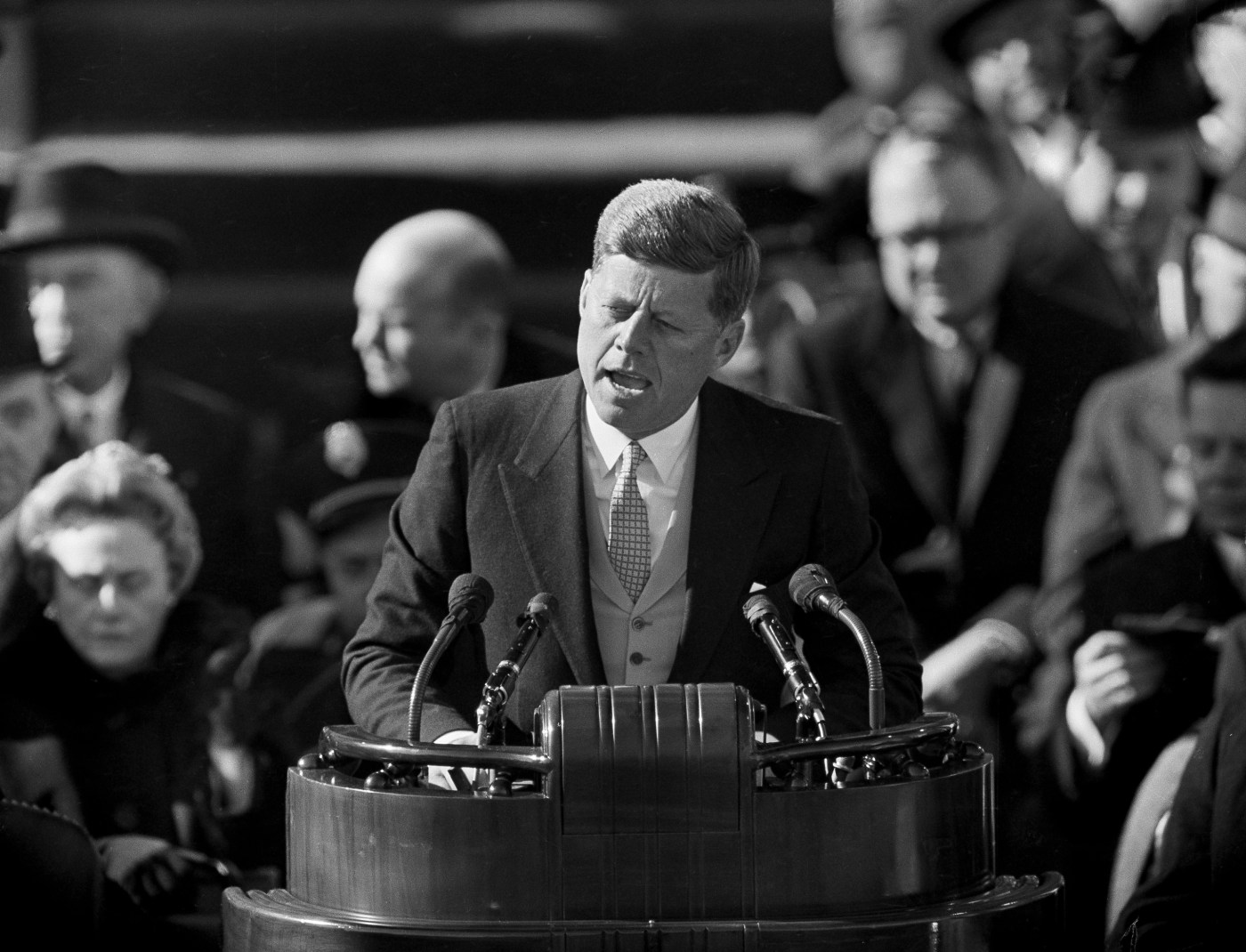
When Kennedy delivered his famous inaugural address in 1961, he invoked a sense of shared responsibility that remains relevant today. His challenge to Americans to engage with their communities is echoed in McCullough’s belief that democracy relies on the active participation of its citizens. As the United States marks its founding alongside Dexter Southfield’s centennial, there is an opportunity to reflect on why history matters and how it informs our actions today.
McCullough described himself as a “short-term pessimist and a long-term optimist,” a perspective that acknowledges current challenges while affirming the potential for progress through engaged citizenship. History is not solely the domain of those who came before; it is a gift afforded to those willing to learn from it and apply its lessons to contemporary issues.
Sixty-five years ago, Kennedy remarked that “the torch has been passed” to a new generation, a metaphor that continues to inspire. This passing of the torch occurs daily in classrooms, communities, and through conversations that shape our collective future. As we approach this milestone year, there is a call to embrace this inheritance with both gratitude and courage, committing to the institutions that uphold civic life and democracy.
As Dr. Peter F. Folan, Head of School at Dexter Southfield, notes, history asks us to recognize our role in continuing the legacy of those who came before us. In this year of significant anniversaries, the challenge is clear: engage, participate, and contribute to the vibrant tapestry of our democratic society.