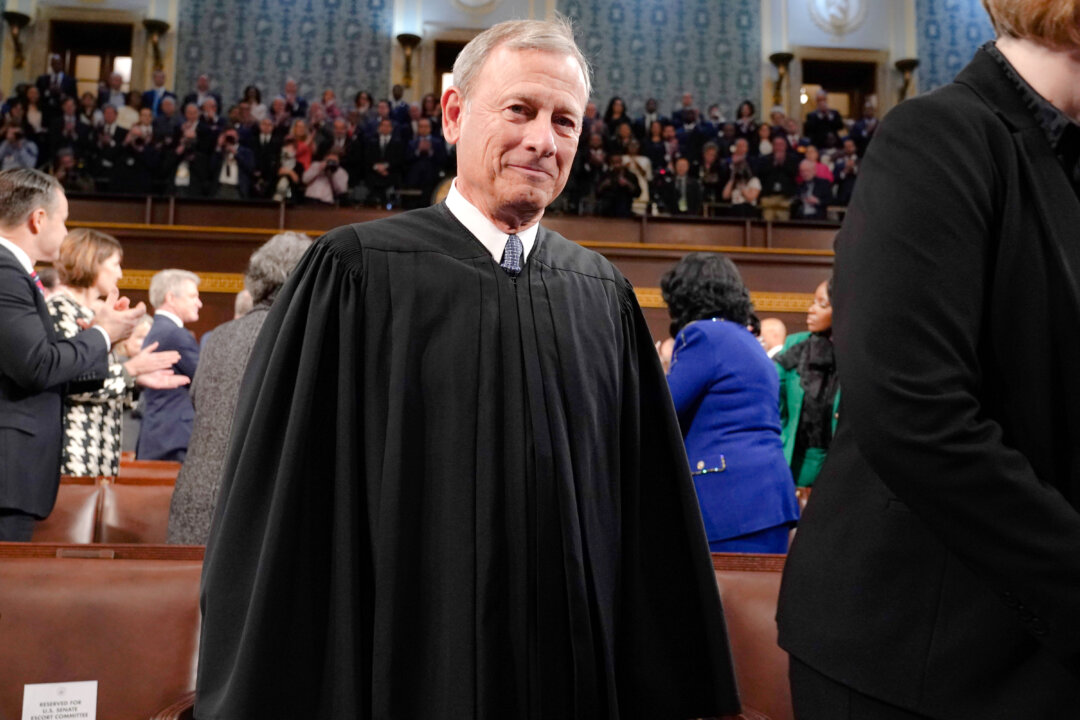
Chief Justice John Roberts emphasized the lasting significance of the U.S. Constitution and the Declaration of Independence in a recent year-end report. On December 31, 2023, he noted that as the United States approaches its 250th anniversary in 2026, these foundational documents continue to inspire Americans across the nation.
Roberts delivered his remarks in his annual review of the federal judiciary, a tradition that highlights the state of the legal system and the role of the Supreme Court. His comments focused on the enduring principles embedded in these historic texts, which he believes remain relevant in contemporary society. Notably, his address did not address any current or pending cases before the Supreme Court, maintaining a focus on the broader implications of constitutional law.
Historical Context and Presidential Reflection
To illustrate the Constitution’s significance, Roberts quoted former President Calvin Coolidge, who celebrated these documents a century ago during the nation’s 150th anniversary. Coolidge’s reflections highlighted the foundational role that both the Constitution and the Declaration of Independence play in American governance and civic life.
Roberts serves not only as the chief justice but also oversees the entire federal judiciary, which includes a network of district and appellate courts. His position gives him a unique perspective on the judiciary’s evolution and its relationship with the Constitution. He has often spoken about the importance of judicial independence and the rule of law, principles enshrined in the very texts he praised in his report.
The Constitution’s Role in American Society
The U.S. Constitution and the Declaration of Independence have long been viewed as cornerstones of American democracy. As the nation gears up for its 250th anniversary, Roberts’ comments serve as a reminder of the values that these documents represent, including liberty, justice, and equality.
Public engagement with these texts remains strong, as evidenced by ongoing discussions in educational settings and civic organizations. Many Americans continue to reflect on the Constitution’s relevance in addressing contemporary issues, such as civil rights, freedom of expression, and the balance of power among government branches.
Roberts’ report invites citizens to consider the implications of these foundational principles as the country approaches a significant milestone. The ongoing dialogue surrounding constitutional interpretation underscores the dynamic nature of American democracy, ensuring that the Constitution remains both a historical document and a living framework for governance.
In conclusion, Chief Justice Roberts’ remarks on the Constitution and the Declaration of Independence highlight their enduring legacy and the inspiration they provide to Americans. As the nation prepares for its quarter-millennium celebration, these documents remain central to discussions about the values and principles that define the United States.