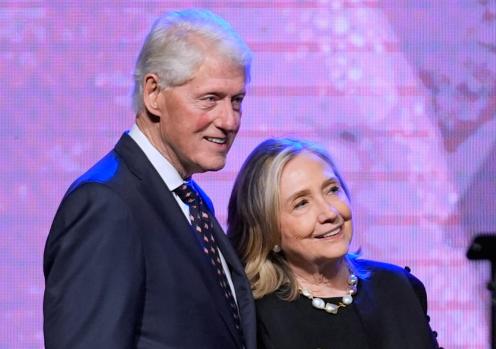
Former President Bill Clinton and former Secretary of State Hillary Clinton have reached an agreement to testify before the House Oversight Committee regarding their connections to Jeffrey Epstein. This agreement was finalized on February 20, 2024, amid the looming threat of a contempt of Congress vote that could have led to significant legal repercussions for the Clintons.
Hillary Clinton is scheduled to appear on February 26, while Bill Clinton will testify the following day, February 27. This event marks a historic moment, as it will be the first time lawmakers have compelled a former president to provide testimony before Congress.
The decision to testify follows months of negotiations between the Clintons’ legal representatives and House Republicans, who have sought to make the Clintons central figures in the ongoing investigation into Epstein. The convicted sex offender died by suicide in a New York jail in 2019, leaving behind a complex web of connections involving powerful individuals, including the Clintons.
Initially, the Clintons resisted subpoenas issued by the committee. However, escalating pressure from House Republicans, supported by some Democrats, led to the advancement of criminal contempt charges. This action threatened the Clintons with potential fines and even imprisonment if convicted.
Negotiations were fraught with tension, as both sides expressed distrust while working out the specifics of the deposition. The contentious nature of these discussions is expected to escalate further, as Republicans appear eager to interrogate the Clintons under oath.
Bill Clinton’s past relationship with Epstein during the late 1990s and early 2000s has been well documented. Although he has faced scrutiny regarding these interactions, he has not been accused of any wrongdoing. Meanwhile, the Clintons have criticized the investigation led by Representative James Comer, suggesting that it has become politicized and accusing Comer of failing to hold the previous administration accountable for delays in providing relevant case files from the Department of Justice.
The implications of this agreement extend beyond the Clintons themselves. If Congress proceeds with its vote on contempt, it would mark a significant shift in the historical precedent of deference shown to former presidents. Until now, no former president has been compelled to testify under threat of legal action, although a few have voluntarily appeared before congressional committees in the past.
As the Clintons prepare for their testimonies, the political landscape surrounding this investigation continues to evolve. The potential for a contempt vote and the implications of a former president being compelled to testify highlight the ongoing complexities of accountability within the highest echelons of power.