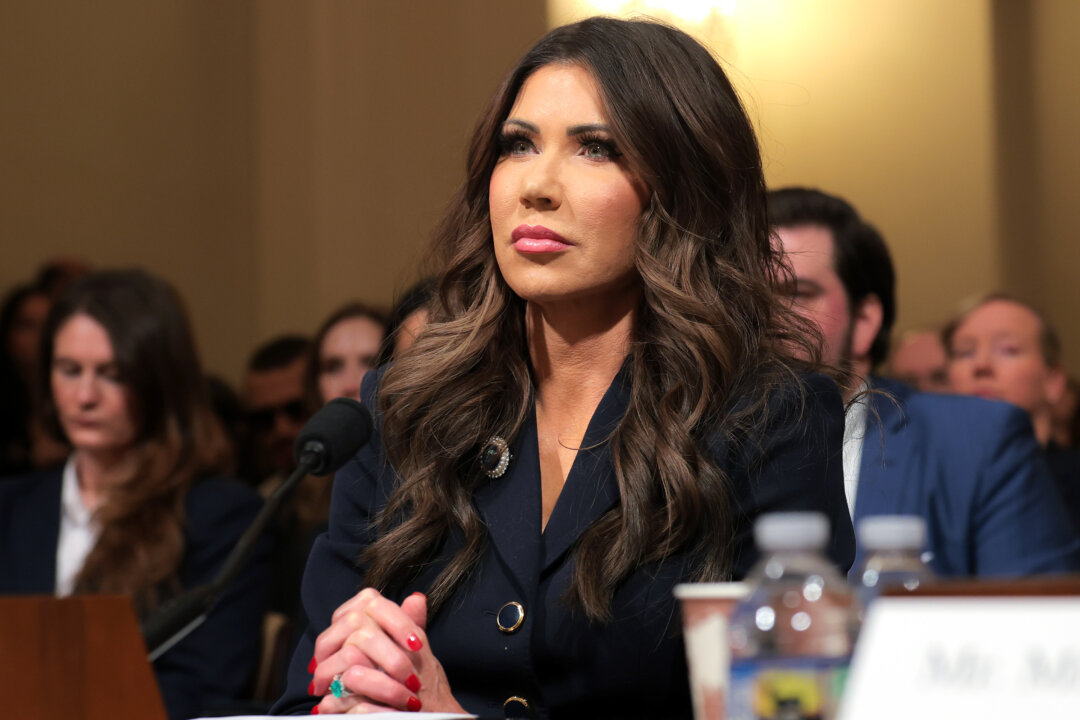
The Department of Homeland Security (DHS) is set to deploy “hundreds more” federal agents to Minneapolis over the weekend, as part of ongoing immigration enforcement operations. This announcement was made by Homeland Security Secretary Kristi Noem during an interview on Fox News’ “Sunday Morning Futures.” The additional personnel are aimed at supporting Immigration and Customs Enforcement (ICE) and Border Patrol agents already active in the area.
Noem emphasized that these reinforcements, arriving on March 3 and 4, 2024, are necessary to ensure the safety of federal agents as they conduct their operations. “We’re sending more officers today and tomorrow; there’ll be hundreds more,” she stated. This initiative follows the recent deployment of 2,000 federal immigration agents to Minneapolis, as the DHS seeks to address concerns regarding illegal immigration and associated criminal activities.
The operations in Minneapolis have sparked significant discussion, particularly around allegations of widespread fraud related to federal entitlement benefits in the Twin Cities. Noem noted that the focus of the operation is to target individuals involved in such illegal activities, asserting the need for a robust federal presence to maintain law and order.
As the federal government intensifies its immigration enforcement efforts, local communities may see an increase in visibility of federal agents. This move aims to deter criminal behavior while addressing the complexities of immigration enforcement within urban environments.
In the broader context, this deployment reflects the ongoing national dialogue surrounding immigration policy and enforcement. With varying opinions on the impact of such operations, the situation in Minneapolis may serve as a barometer for future federal enforcement actions in similar urban settings across the United States.
The DHS remains committed to its mission of ensuring safety and security, and the upcoming deployment exemplifies its proactive approach to addressing immigration challenges. As this situation unfolds, the response from local authorities and community members will likely shape the narrative surrounding federal immigration actions in the region.