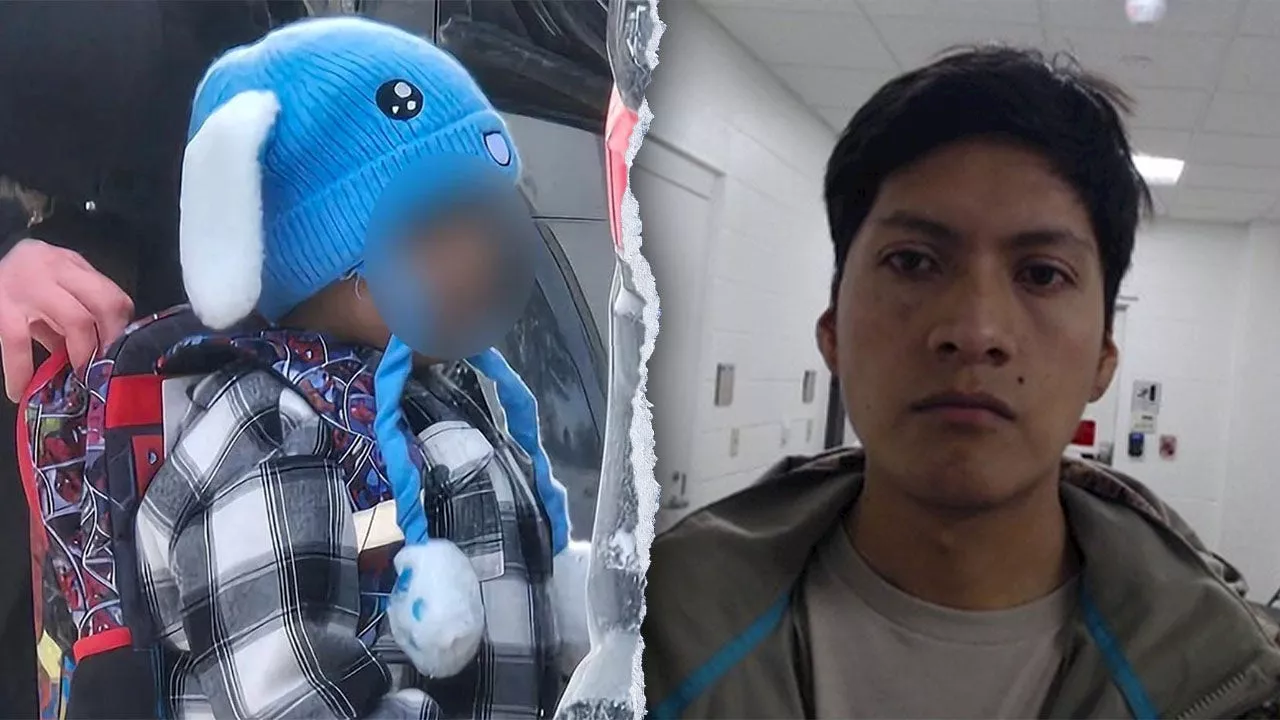
The Department of Homeland Security (DHS) has released an image of Adrian Alexander Conejo Arias, the father of a five-year-old boy who was abandoned while fleeing from U.S. Immigration and Customs Enforcement (ICE) agents. The incident occurred in Minneapolis, where law enforcement officials clarified that the target of the operation was Conejo Arias, not his son, Liam Ramos. Following the father’s escape, DHS personnel ensured the child was cared for until further arrangements could be made.
The case has ignited significant political debate, with some Democrats alleging that the child was deliberately targeted during the operation. In contrast, DHS officials have firmly rejected these claims, asserting that the child was not the focus of their actions. In a press briefing, DHS Assistant Secretary Tricia McLaughlin emphasized that officers remained with the child, providing food and comfort after his father fled.
Adrian Alexander Conejo Arias, an Ecuadorean citizen residing in the U.S. illegally, was reportedly released into the country by the Biden administration. However, DHS has stated that they found no record of his entry through the Biden-era CBP One mobile application, which had been referenced by the family’s attorney. The agency indicated that Conejo Arias was offered a voluntary return process to exit the U.S. without facing immigration penalties, but he declined the opportunity.
Political leaders, including Minnesota Governor Tim Walz and Representative Ilhan Omar, have expressed outrage over the incident, framing it as an example of government overreach. They have shared images of Liam online, alleging that he was taken into custody by ICE agents after returning home from preschool. According to law enforcement, as officers approached Conejo Arias, he fled the scene, leaving his son behind.
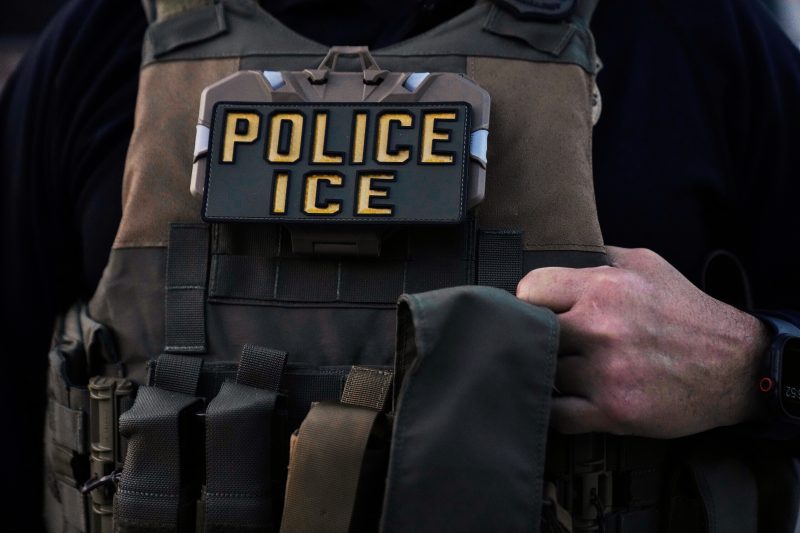
In response to the outcry, ICE officials reiterated that their operation was focused on Conejo Arias. Marcos Charles, Executive Assistant Director of Enforcement and Removal Operations, stated that his officers spent hours ensuring the child’s wellbeing, including taking him for food and attempting to contact family members for custody. Charles noted that the child’s mother refused to take him back, further complicating the situation.
DHS officials described the conditions surrounding the incident, highlighting the challenges faced by law enforcement in ensuring the child’s safety. “This little boy was abandoned by his own father,” McLaughlin stated. “Our law enforcement in these frigid temperatures stayed with the child, trying to bring him into custody with the mother, who actually would not take the child into custody.”
The incident has raised questions about the broader implications of immigration enforcement practices, particularly regarding the treatment of children. Reports indicate that Conejo Arias and Liam are currently being held together at the Dilley Detention Center in Texas, which is designated for families in detention.
Representative Jasmine Crockett of Texas announced plans to visit the Dilley facility to conduct oversight and demand answers related to Liam’s situation. She expressed her concern on social media, stating, “If it were up to me, we’d be at the Dilley Detention Center RIGHT NOW getting answers.” She criticized the previous administration for allegedly obstructing congressional oversight efforts.
As the political discourse surrounding this incident continues, DHS maintains that their focus was on the father and not the child. The agency has emphasized that they strive to manage such situations in a manner consistent with past administrations’ immigration enforcement practices.
The ongoing discussions highlight the increasing tensions surrounding immigration policies in the United States, particularly as they relate to the welfare of children caught in such circumstances. The case remains a focal point for advocates and lawmakers alike as they seek to address the complexities of immigration enforcement and its impact on families.