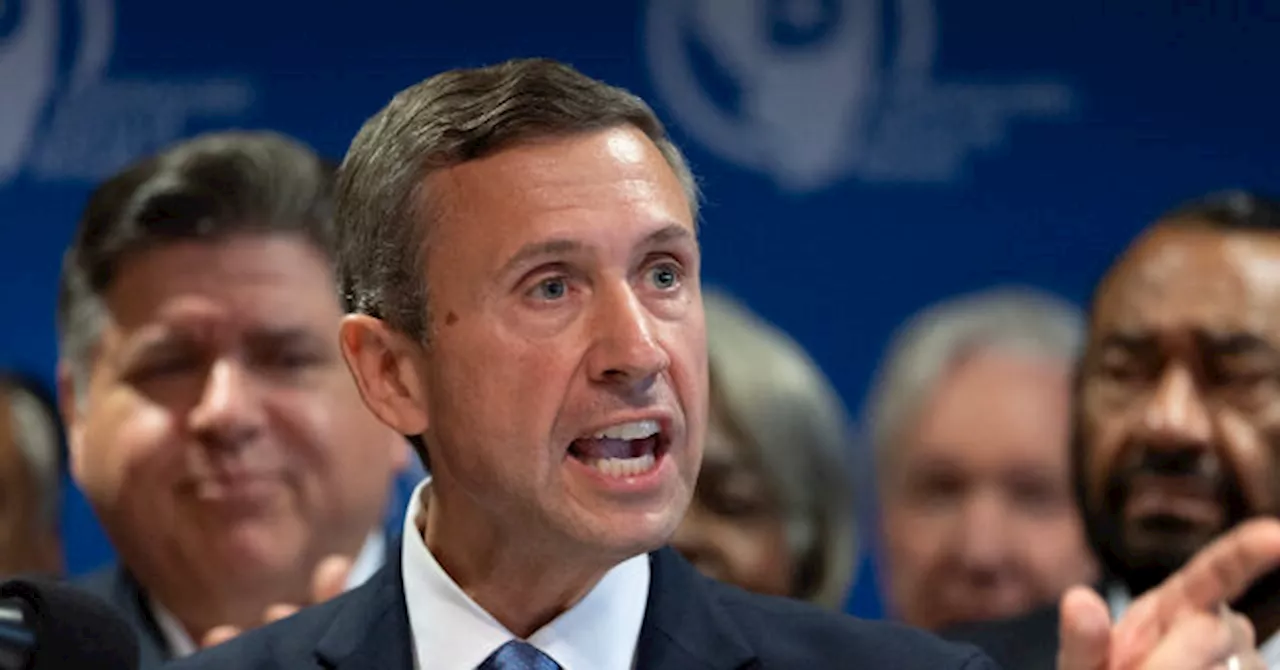
The political landscape in Minnesota is facing renewed scrutiny as Democratic National Committee Chairman Ken Martin accuses former President Donald Trump of misrepresenting the state’s election results. This confrontation underscores ongoing tensions surrounding election integrity and the allegations of fraud that have surfaced, particularly within the Somali community.
Martin has specifically called out Trump’s claims of winning Minnesota in past elections, asserting that these statements are false. His remarks reflect a broader commitment among Democrats to counter narratives they deem misleading about the electoral process. The DNC chair’s statements are especially significant given the backdrop of recent allegations of voter fraud, which have stirred controversy across various political factions.
In a notable incident, a federal jury convicted a volunteer of the Minnesota Democratic-Farmer-Labor Party for lying during a voter fraud investigation. The individual was found guilty of submitting absentee ballots under questionable circumstances, allegedly at the urging of three people who did not authorize the actions. This case has drawn attention to potential irregularities in the state’s voting procedures, raising concerns about election integrity.
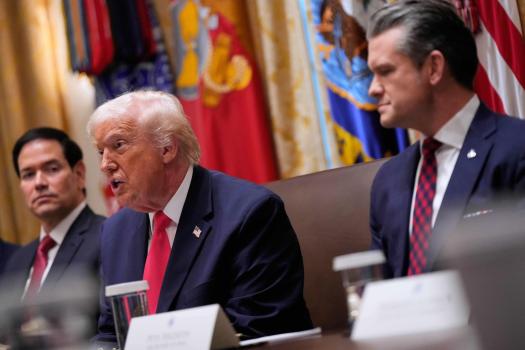
Trump amplified these concerns in his criticisms of Minnesota officials, labeling them as “crooked” and describing Governor Tim Walz as “incompetent.” He pointed to allegations of a large-scale fraud operation purportedly involving members of the Somali community. Trump’s claims, including references to expensive vehicle purchases as evidence of illicit activities, have further fueled the divide between political opponents.
Impact on Minnesota’s Political Climate
The situation in Minnesota reflects a broader national discourse on election integrity, with this state often serving as a focal point for political disputes. The debate over the legitimacy of election results is likely to continue, with ongoing legal challenges and investigations that could determine the validity of the claims of corruption.
As accusations swirl, the potential implications for local and national perceptions of the electoral process are significant. The allegations directed at the Somali community, alongside the political clash between Martin and Trump, may hinder efforts to achieve bipartisan consensus on ensuring fair and accurate elections.
In the current climate, where political rhetoric has intensified, the discourse surrounding election integrity is complicated by a variety of issues, including Trump’s condemnation of antisemitism within the Republican Party, fatalities from protests in Iran, and ongoing debates regarding immigration enforcement policies. The convergence of these controversies highlights the need for public education and collaborative efforts to foster unity in a politically divided nation.
While the situation remains dynamic, it is clear that the scrutiny of Minnesota’s electoral practices will continue to be a contentious topic, with implications that may resonate beyond state lines. The unfolding narrative serves as a reminder of the complexities surrounding election integrity and the profound impact such debates can have on the political landscape.