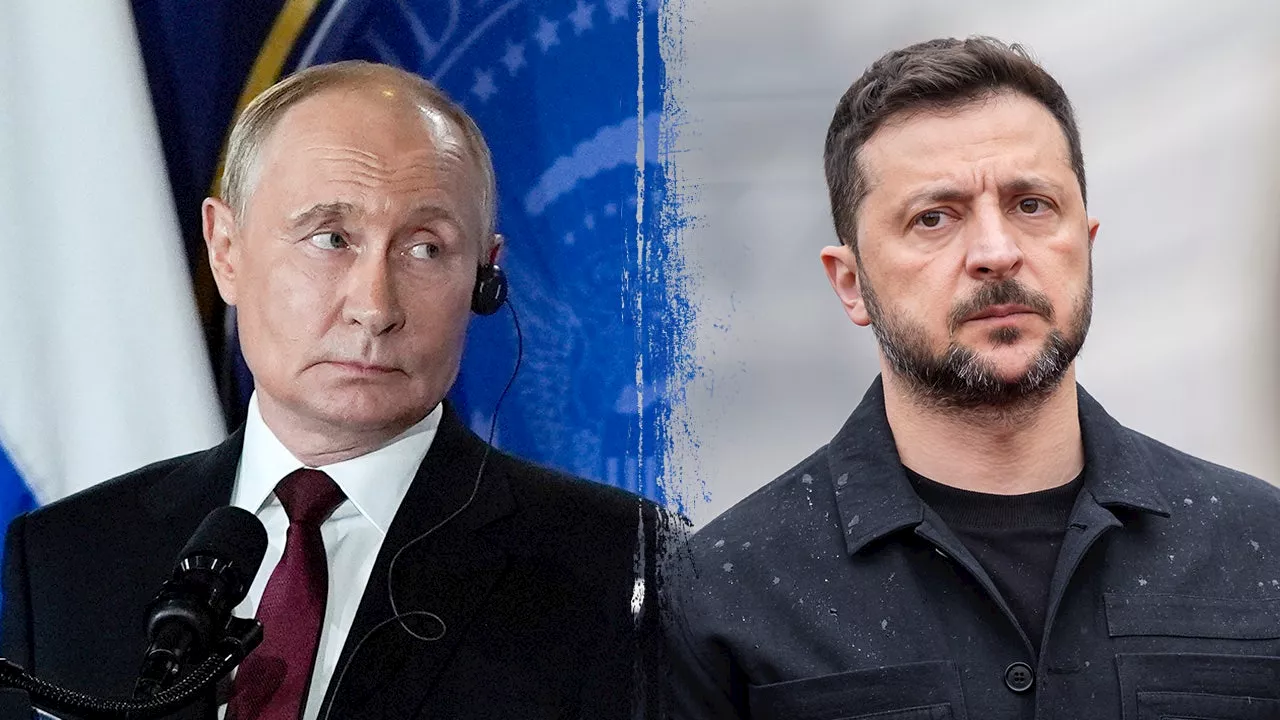
A prominent drone expert has raised serious doubts about the credibility of Russia’s claims that Ukraine attempted to launch a drone attack on President Vladimir Putin’s residence. The expert, Cameron Chell, CEO and co-founder of Draganfly, stated that the allegations are “tactically implausible” and inconsistent with Ukraine’s established drone strategies. These comments come as tensions escalate, with Moscow making accusations that Kyiv has firmly denied.
Chell’s analysis follows Russia’s assertion that on February 26, 2024, Ukrainian drones targeted a presidential palace situated near Lake Valdai. Russian Foreign Minister Sergey Lavrov claimed that 91 drones were intercepted before reaching their intended target, a statement that has raised eyebrows due to discrepancies in earlier reports from the Russian Defense Ministry, which initially stated that only 89 drones were downed.
In an interview with Fox News Digital, Chell emphasized that an attack on such a secure location would require advanced drone technology and a launch point much closer than what Russia suggests. “To attack Putin’s residence, you need long-range, very fast-moving drones,” he asserted. He noted that for smaller drones to execute such a mission, they would have to be launched from a location within approximately 10 to 30 kilometers of the residence, which would likely put them inside Russian territory.
The timing of the allegations has also come under scrutiny. The claims emerged shortly after a positive meeting between former U.S. President Donald Trump and Ukrainian President Volodymyr Zelenskyy, prompting speculation that Russia may be attempting to undermine ongoing peace discussions. Chell remarked, “It makes no sense for Ukraine to orchestrate such an attack at this critical juncture in negotiations.”
Ukraine’s government has categorically denied the accusations, with President Zelenskyy labeling them a “complete fabrication.” He suggested that Russia may be using these claims as justification for further military actions. Speaking on the matter, Kremlin spokesman Dmitry Peskov dismissed Zelenskyy’s denials as “completely insane” and indicated that Russia’s diplomatic posture would become more aggressive in response.
Chell further elaborated on the operational challenges associated with a nighttime drone attack, which would be complicated by potential jamming of GPS and AI navigation systems. “Night operations would render GPS ineffective due to jamming and visibility limitations,” he explained. This makes the feasibility of such an attack even less likely, according to his assessment.
As the situation develops, both Ukraine and Russia remain engaged in continued discussions regarding peace talks, with conflicting narratives complicating the dialogue. The potential for misinterpretation and misinformation is high, underscoring the importance of credible sources and verified information in this high-stakes context.
In summary, Chell’s expertise casts significant doubt on the Russian claims of a Ukrainian drone attack. His analysis suggests that the tactical realities do not align with the allegations, raising questions about Russia’s motives as the international community watches closely.